










- Introduction
In today’s fast-paced world, health often takes a backseat amid hustle and deadlines. Yet, regular preventive health checkups are essential—not just as a diagnostic tool but as a proactive approach to maintain well-being. They help catch silent conditions early, reduce long-term healthcare costs, and empower you to live healthier and longer. With the rising burden of non-communicable diseases (NCDs), the value of timely screenings cannot be overstated.
2. Why Preventive Checkups Matter
2.1 Early Detection Saves Lives
Preventive screenings can reveal conditions like hypertension, diabetes, and cancer in early stages—before symptoms set in—making treatment more effective. Research shows that regular health screenings can significantly reduce the risk of serious illness and mortality.
2.2 Reducing Non-Communicable Disease Burden
NCDs—such as heart disease, cancer, respiratory illness, and diabetes—are among the leading causes of death worldwide. Proactive checkups help identify risk factors early and allow timely interventions to prevent complications.
2.3 Cost Efficiency Over the Long Term
Treating advanced illnesses is often expensive and complex. Preventive care—through simple blood tests, imaging, and screenings—not only saves lives but also reduces healthcare costs over time.
2.4 Peace of Mind and Empowerment
Knowledge is empowering. Awareness of your health metrics provides clarity and allows informed decisions. It also reduces anxiety by eliminating uncertainty about underlying diseases.
- Preventive Care Across Age Groups
3.1 Adults and Middle-Aged Individuals
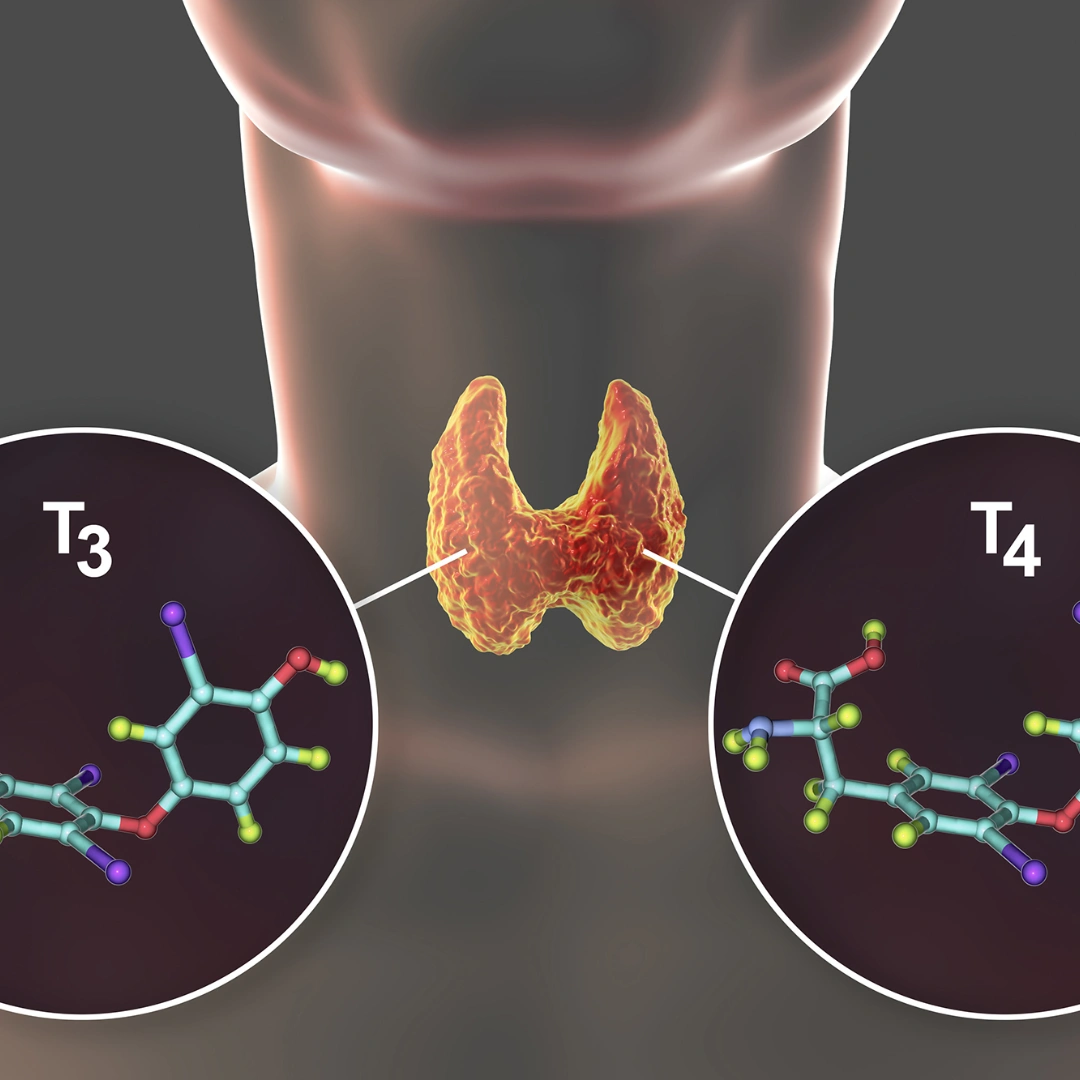
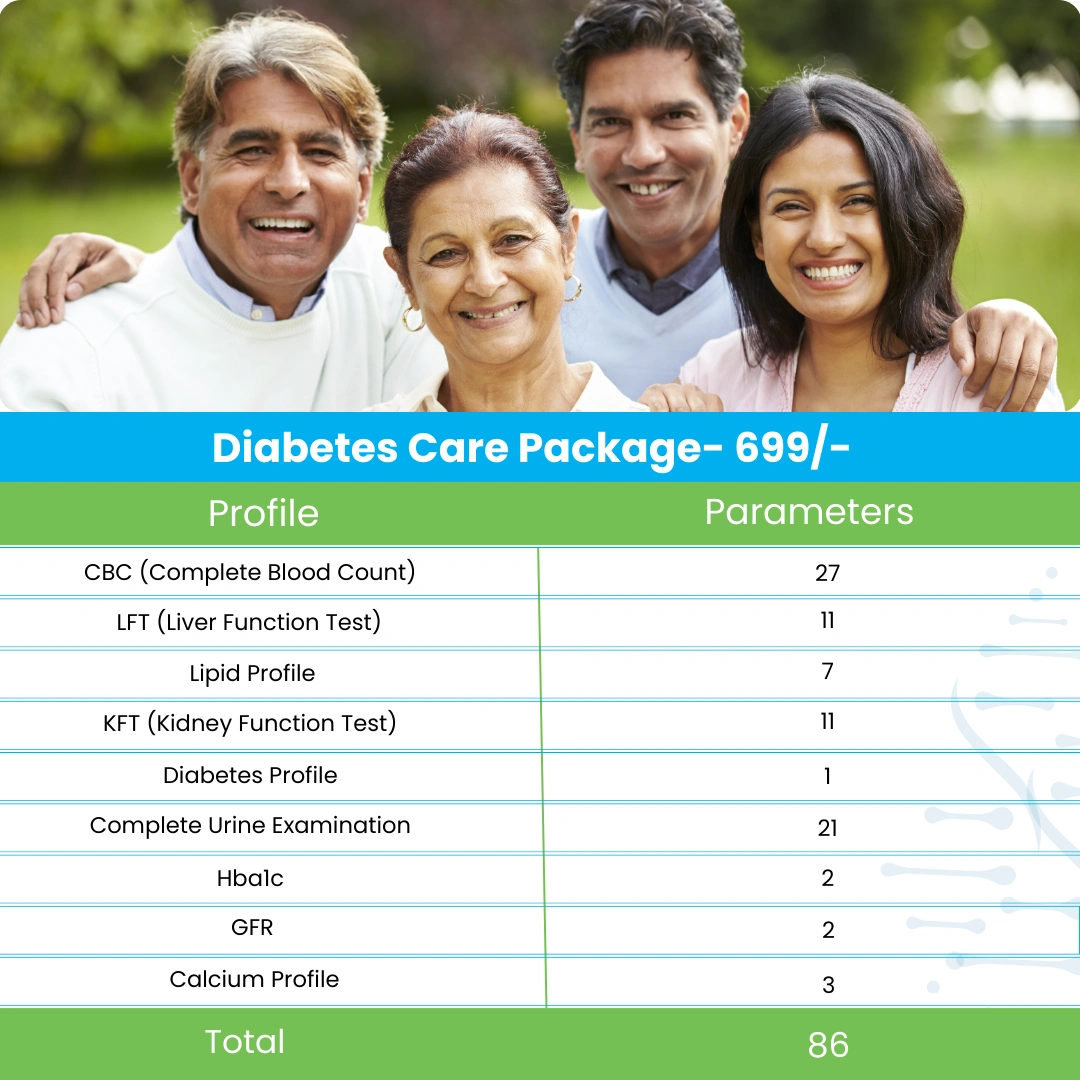
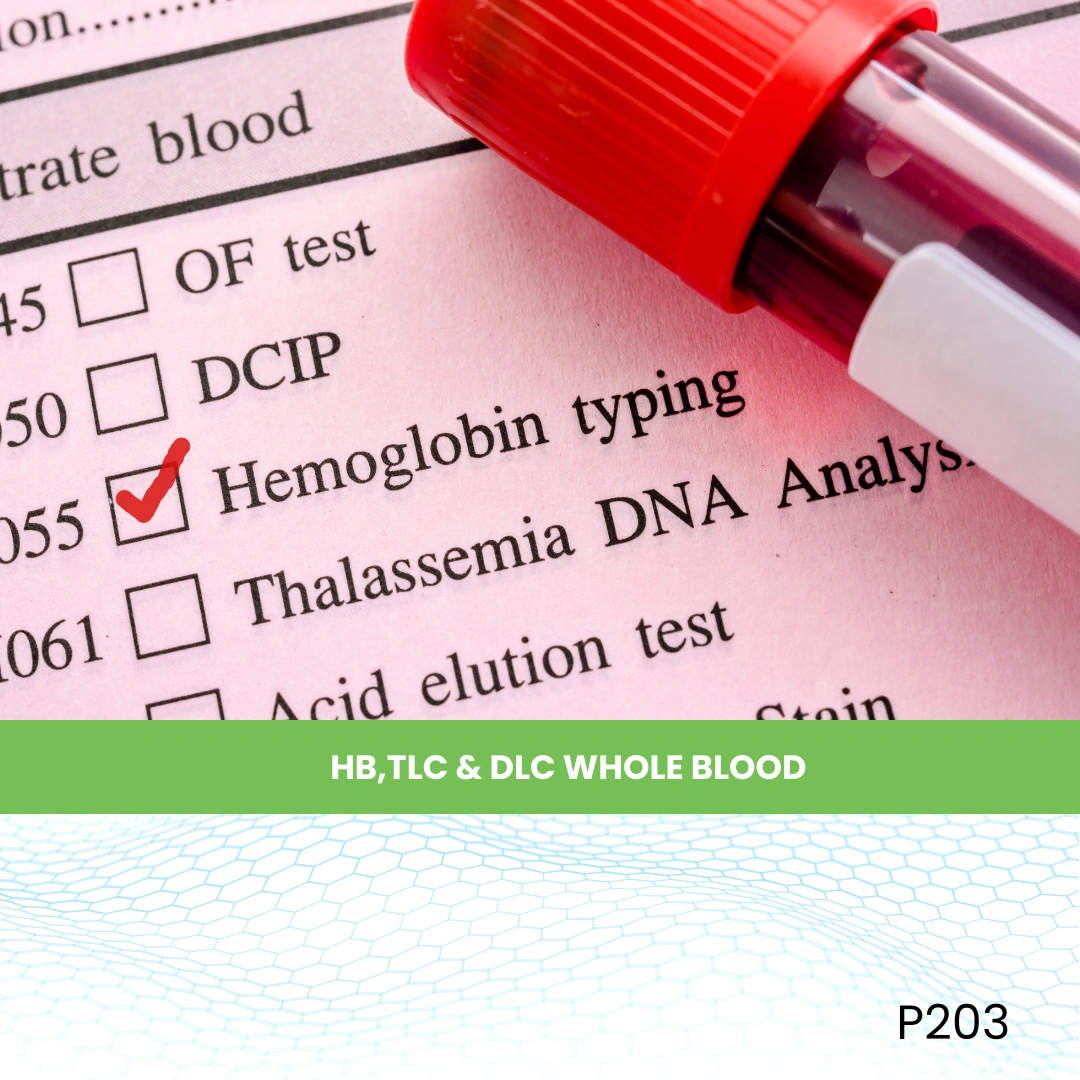
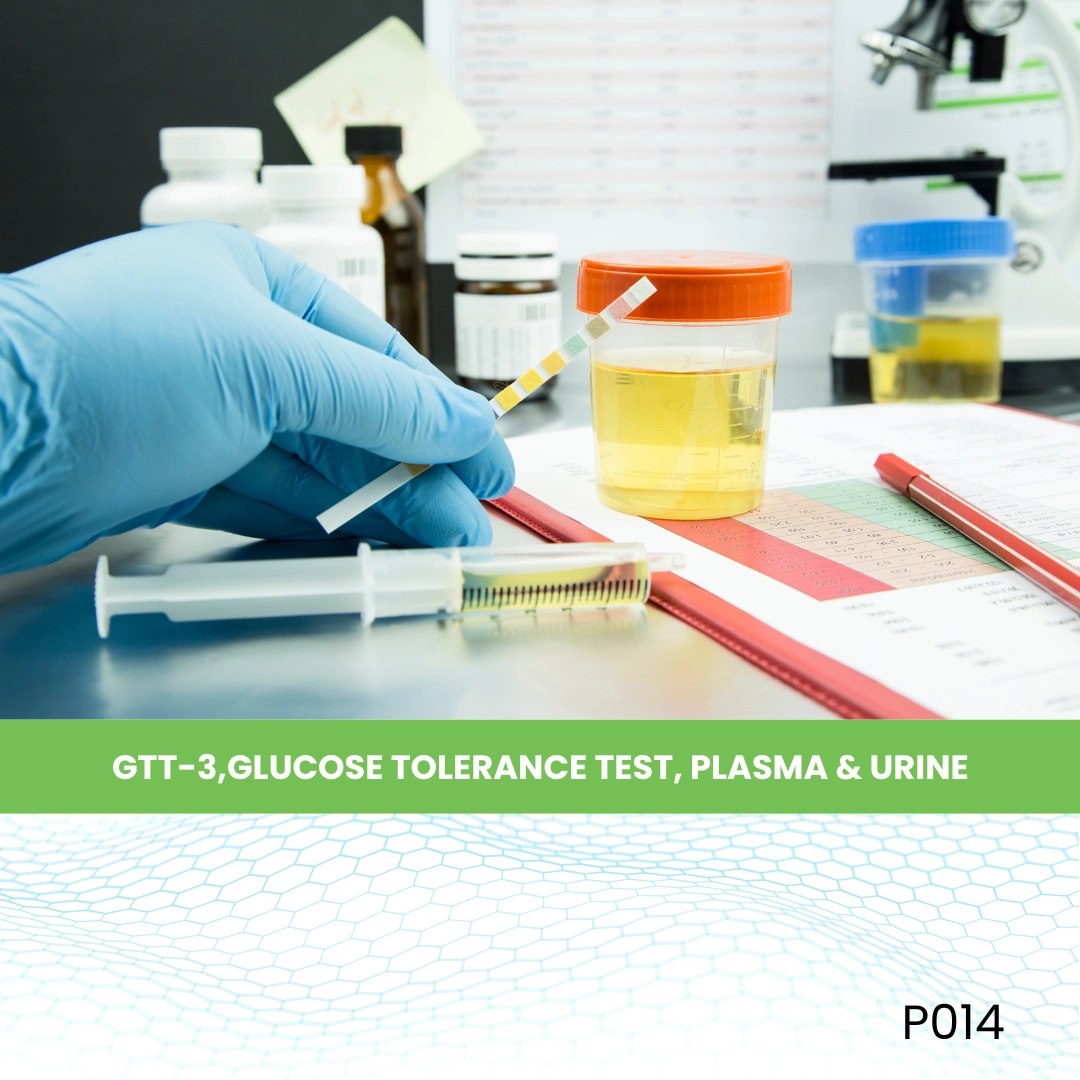
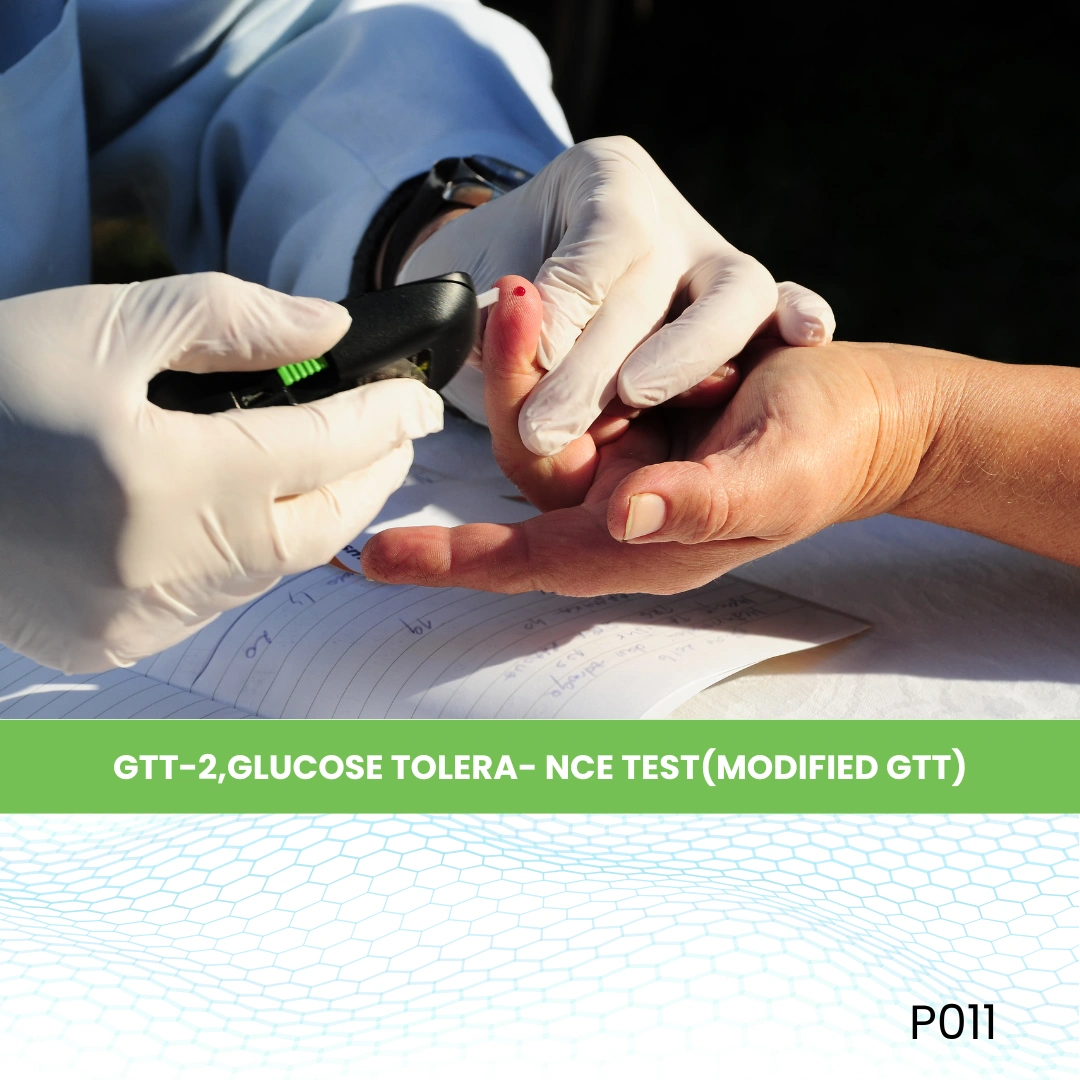
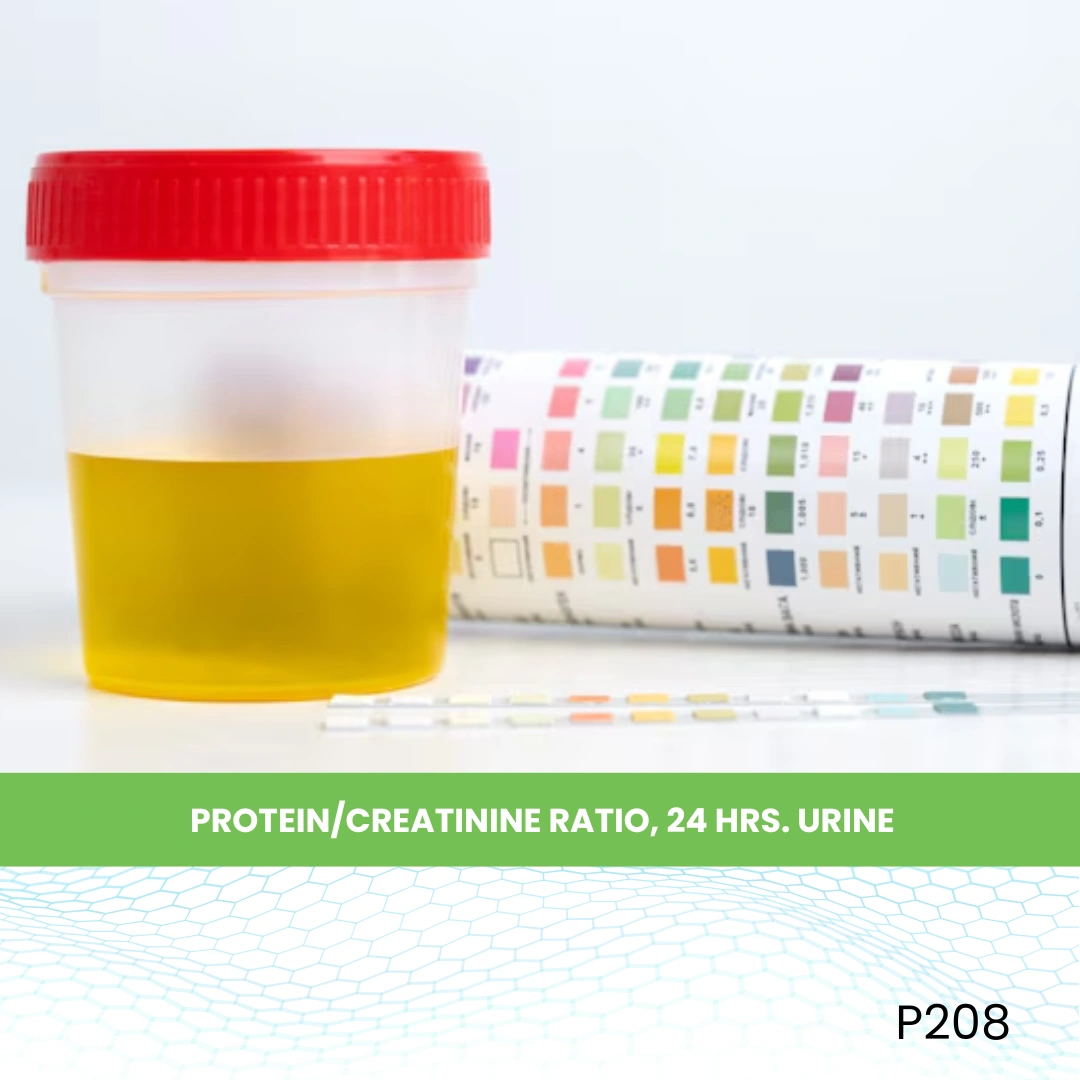
- Regular tests like blood sugar, cholesterol, thyroid panels, and liver and kidney functions can detect early changes.
- Those over 40 must prioritize checkups for cardiovascular, cancer, and metabolic conditions.
3.2 Women’s Preventive Requirements
- Screenings such as mammograms, Pap smears, and bone density tests are vital for early detection of breast and cervical cancers.
3.3 At-Risk Populations
- Individuals with a family history, unhealthy lifestyles, or pre-existing conditions (hypertension, obesity) should opt for more frequent and comprehensive evaluations.
- Preventive Healthcare Models
4.1 Annual Wellness Visits
Annual checkups let doctors assess health holistically—covering lifestyle, physical, and mental health—to prevent disease rather than react to it.
4.2 Structured Health Programs
Corporate or community-based wellness programs can detect cardiovascular and metabolic risks early, leading to healthier populations.
4.3 Employer-Led Health Screenings
Workplace health initiatives, from pre-employment checkups to annual wellness camps, encourage timely detection and promote a healthy workforce.
- Why Preventive Care Works—The Evidence
|
Factor |
Benefit |
|
Mortality Reduction |
Significantly lower risk of death with regular checkups. |
|
Early Intervention |
Enables treatment before complications arise. |
|
Cost Benefit |
More affordable than late-stage treatments. |
|
Mental Well-Being |
Health clarity reduces anxiety. |
|
Accessible Healthcare |
Brings services closer to homes and workplaces. |
- How to Maximize Preventive Health Checkups
- Start Regularly – Commit to annual full-body health reviews.
- Choose Risk-Based Tests – Tailor screenings to your age, gender, and family health history.
- Follow Medical Advice – Early detection is only effective when followed by appropriate action.
- Stay Educated & Updated – Keep up with new health guidelines.
- Leverage Accredited Labs – Choose diagnostic centers with NABL-compliant processes for accuracy and reliability.
- Real-World Impact
- Routine wellness visits prevent chronic conditions and promote healthier lifestyles.
- Workplace wellness programs have shown measurable success in reducing absenteeism and improving productivity.
- Preventive screenings can identify health issues years before symptoms appear, allowing for simpler and more effective treatments.
- Conclusion
In our demanding world, preventive health checkups are not a luxury but a necessity. Regular screenings uncover hidden health threats, reduce the risk of life-threatening conditions, and enable early, less invasive treatments. They empower healthier living, reduce long-term costs, and provide peace of mind.
Prevention is always better than cure—taking the first step today can secure a healthier tomorrow for you and your loved ones.