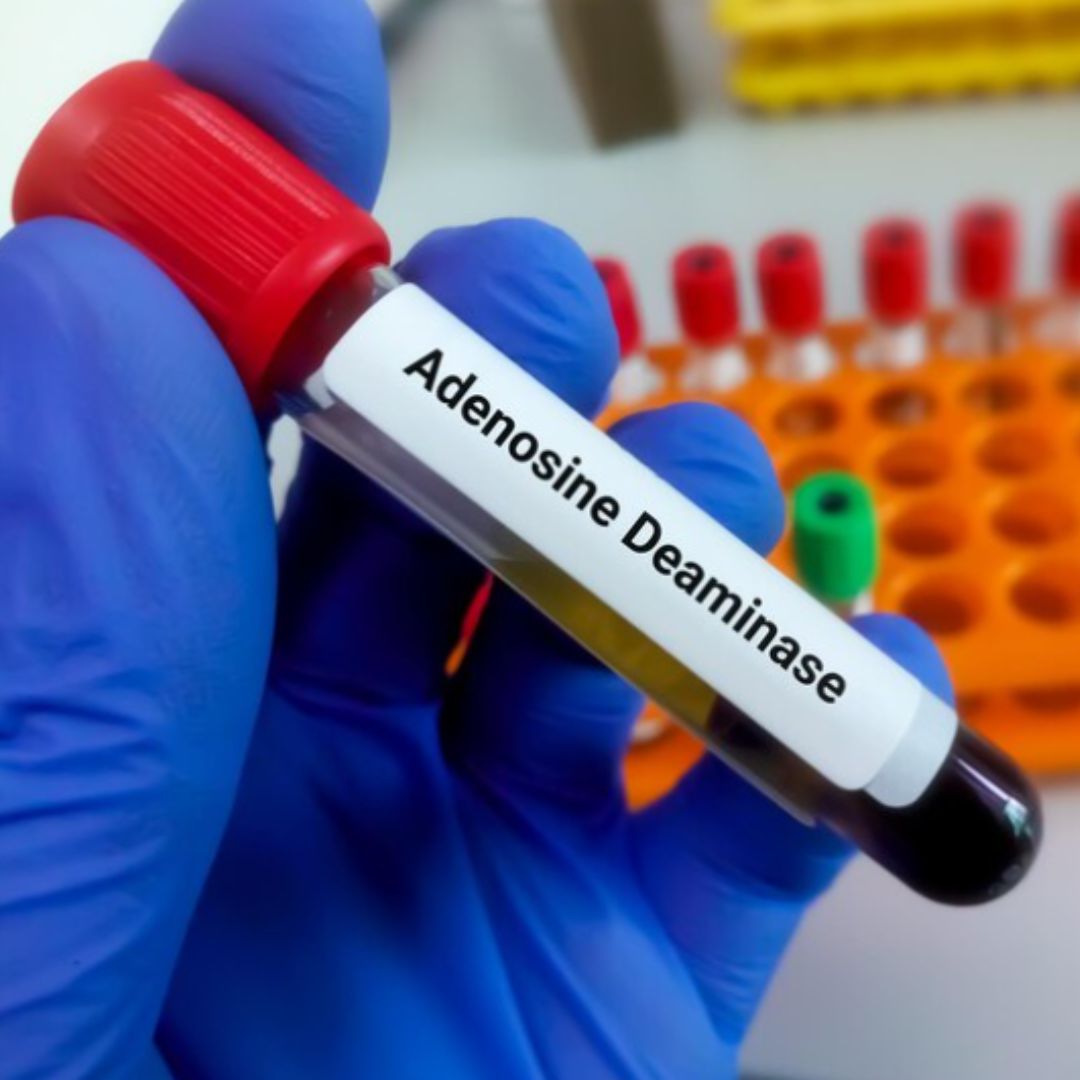
Adenosine Deaminase (ADA), Fluid
What it is
The Adenosine Deaminase (ADA) test in body fluids measures the activity of the ADA enzyme, which plays a key role in purine metabolism and immune system function. High ADA activity in fluids such as pleural, peritoneal, or cerebrospinal fluid can indicate certain infections, especially tuberculosis.
Uses
This test is primarily used to support the diagnosis of tuberculosis involving body cavities, such as pleural TB or peritoneal TB. It also helps differentiate between tuberculous and non-tuberculous effusions, and may be used along with other tests to assess chronic infections or some hematologic disorders.
Symptoms That May Lead to the Test
Doctors may recommend this test if you experience persistent cough, chest pain, fever, weight loss, abdominal swelling, or unexplained fluid accumulation in the chest or abdomen. It is often ordered when tuberculosis is suspected in patients with effusions.
Abnormal Results
High ADA levels: Strongly suggest tuberculosis-related effusion, but can also be seen in some cancers, rheumatoid arthritis, or other infections.
Low or normal ADA levels: Usually indicate non-tuberculous causes of fluid accumulation, such as heart failure, cirrhosis, or malignancy.
Risks
The risks are related to the procedure of fluid collection (thoracentesis, paracentesis, lumbar puncture). These include mild pain, bruising, infection risk, or rarely bleeding. The ADA test itself has no direct risks, as it is performed on the collected fluid sample.


Reviews
There are no reviews yet.