Ammonia, Serum
What it is
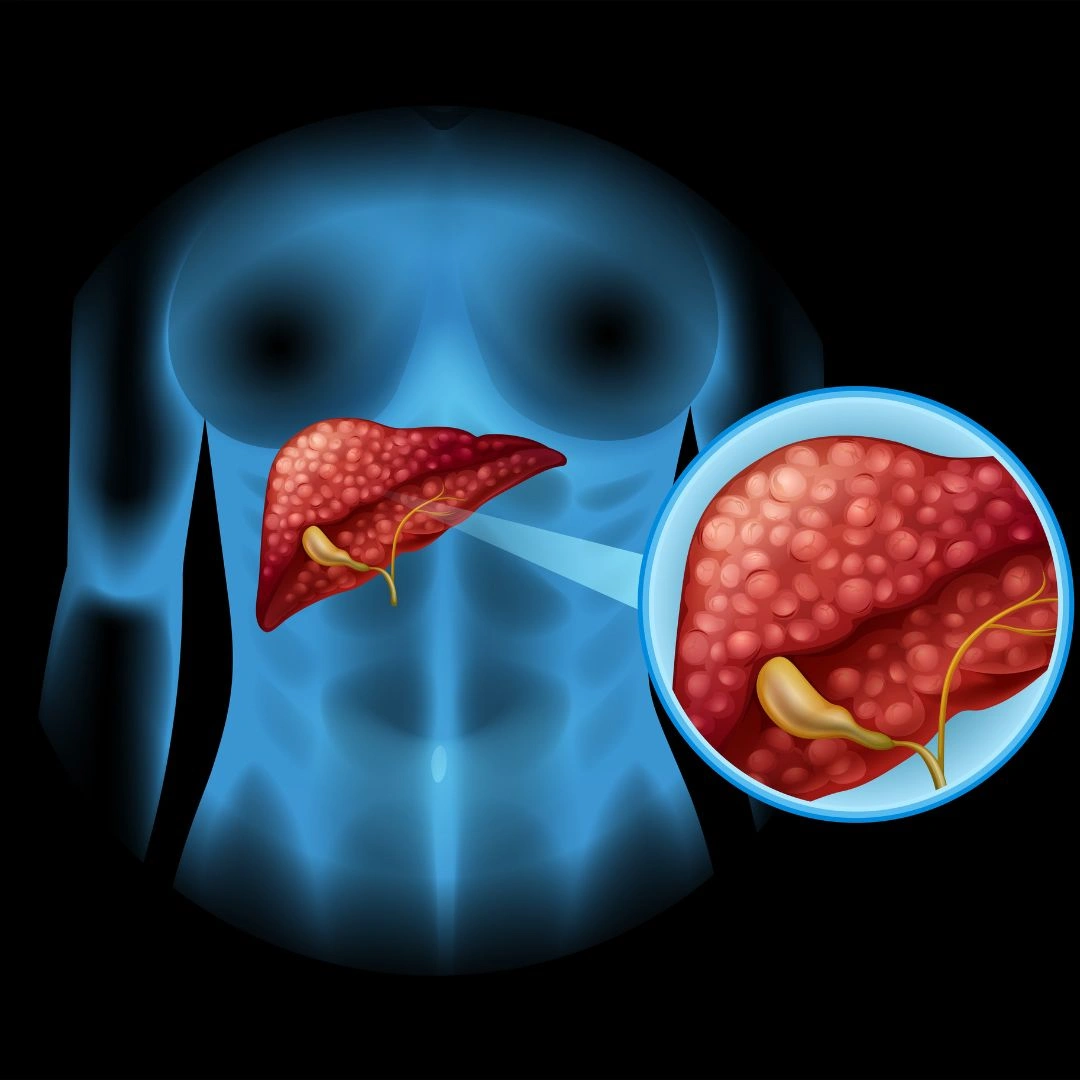
The Ammonia, Serum test measures the level of ammonia in the blood. Ammonia is a waste product formed when the body breaks down protein. Normally, the liver processes ammonia into urea, which is then eliminated by the kidneys. Elevated ammonia levels may indicate liver dysfunction or other metabolic problems.
Uses
This test is commonly used to evaluate liver function, diagnose hepatic encephalopathy, monitor patients with severe liver disease, and detect metabolic disorders that affect ammonia clearance. It may also be ordered in cases of unexplained confusion or altered mental status.
Symptoms That May Lead to the Test
Doctors may order this test if you show signs such as confusion, disorientation, drowsiness, tremors, mood or personality changes, vomiting, or in severe cases, coma. It is particularly important in patients with known liver disease or in newborns with suspected inherited metabolic conditions.
Abnormal Results
High Ammonia Levels: May indicate liver disease (such as cirrhosis or hepatitis), Reye’s syndrome, gastrointestinal bleeding, severe infections, kidney failure, or inherited urea cycle disorders. Elevated ammonia can be toxic to the brain and requires urgent evaluation.
Low Ammonia Levels: Are less common and usually not clinically significant, though they can occasionally be linked to certain medications or nutritional issues.
Risks
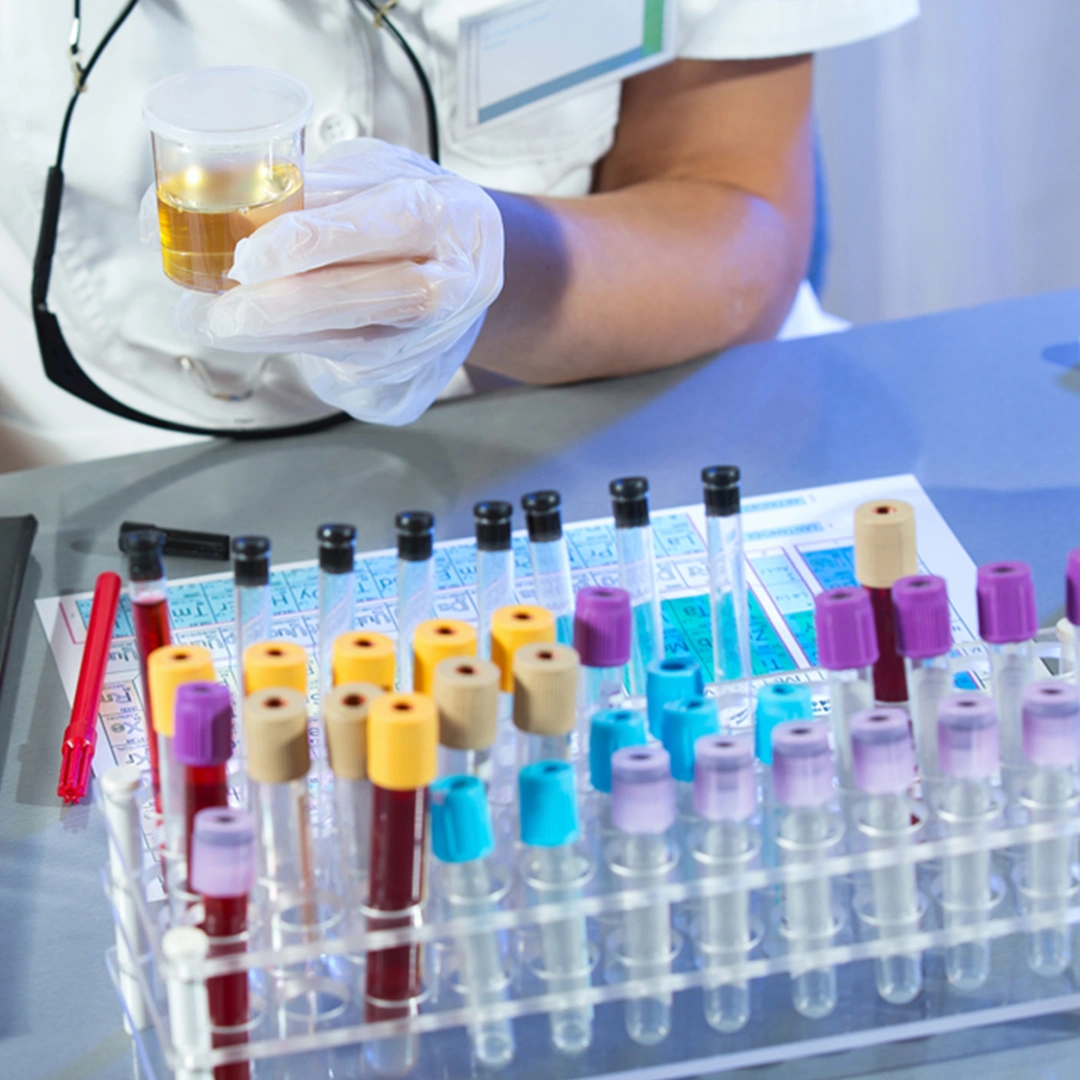
The test involves a standard blood draw, with minimal risks such as slight pain, bruising, or lightheadedness at the puncture site. Proper handling of the blood sample is crucial, as ammonia levels can rise if the sample is not processed quickly.


Reviews
There are no reviews yet.