Antenatal Profile 2
What it is
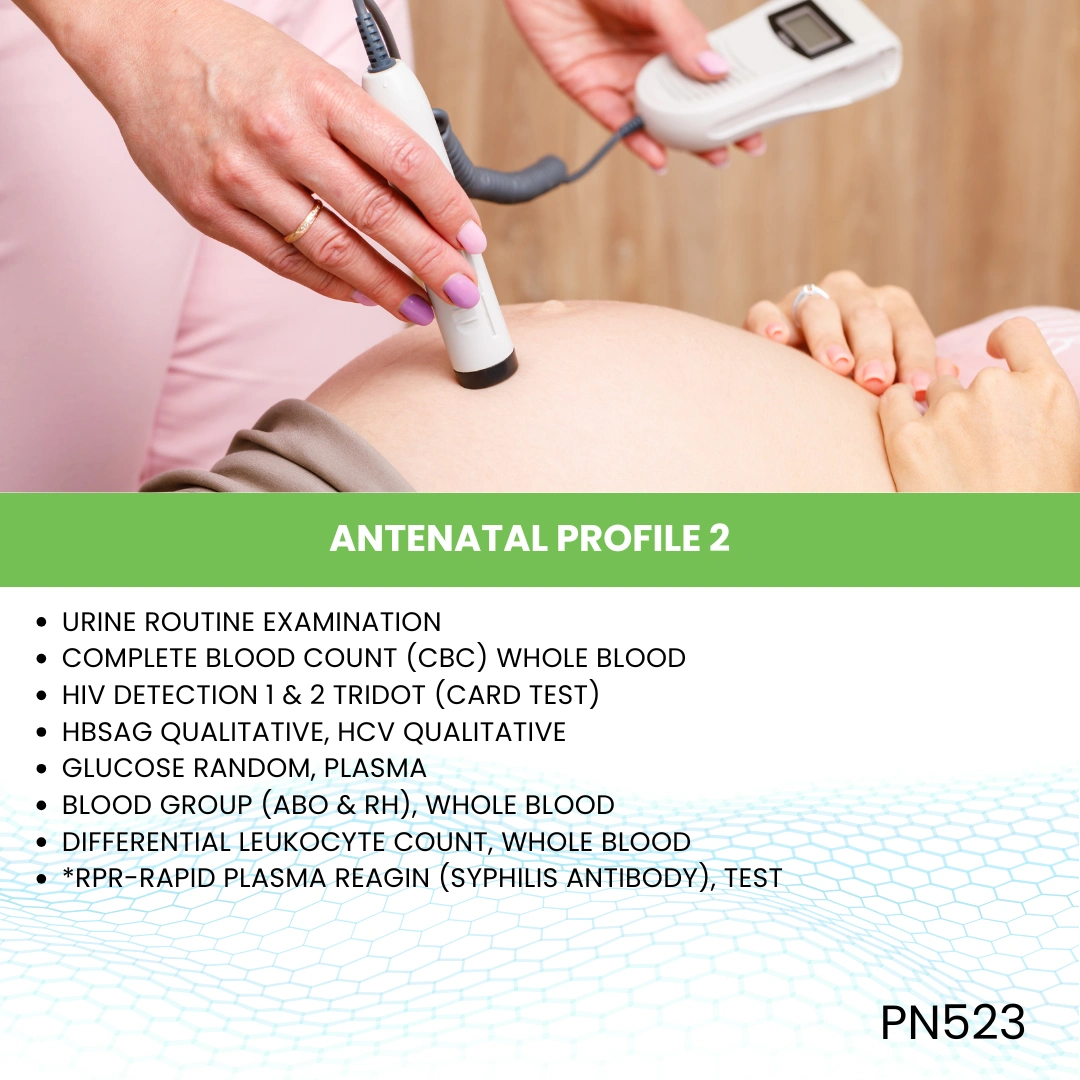
The Antenatal Profile 2 is a comprehensive panel of laboratory tests performed during pregnancy to assess the health of the mother and detect conditions that may affect the baby. It provides a wider screening compared to Antenatal Profile 1, combining blood and urine investigations with infectious disease markers and metabolic assessments to ensure safe prenatal care.
Uses
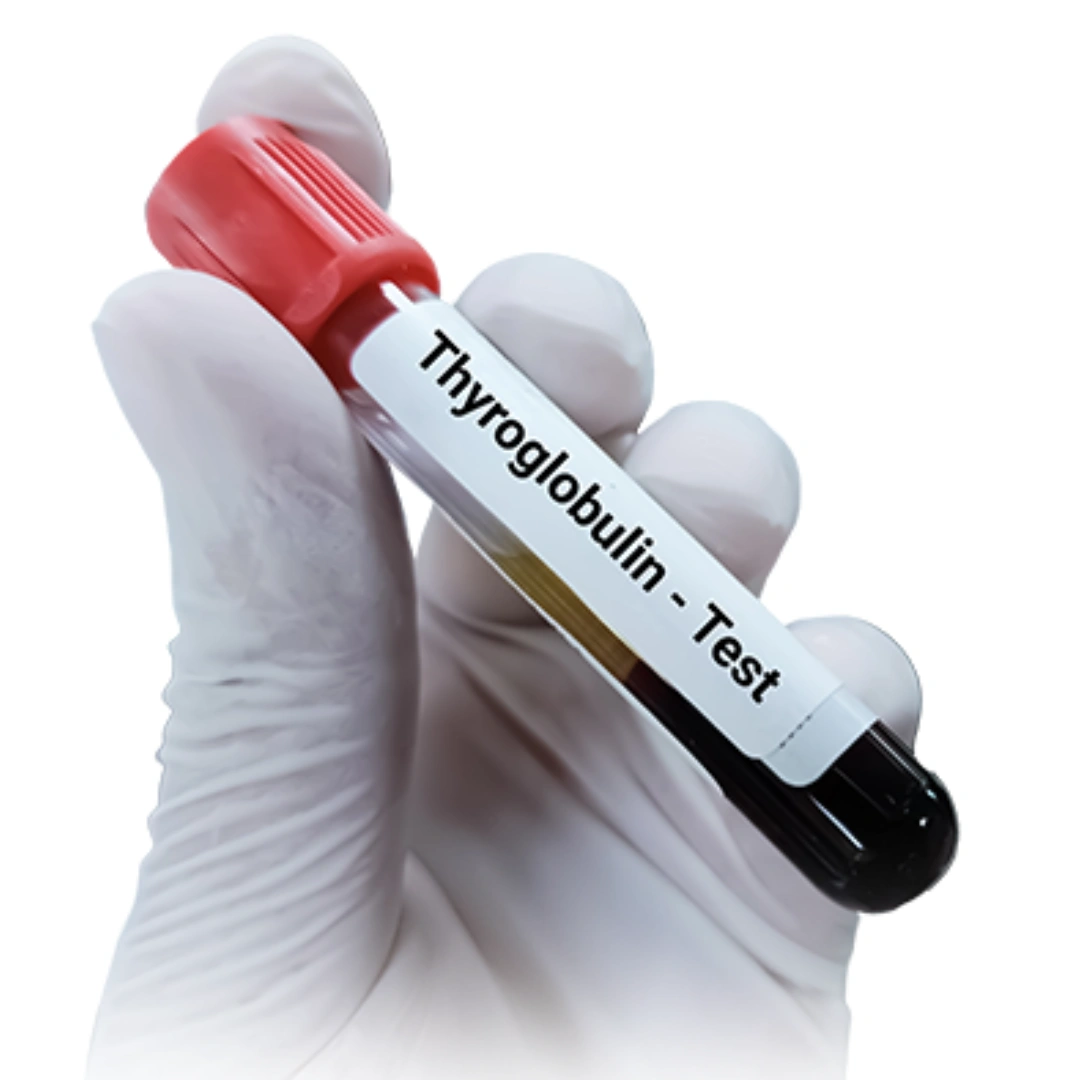
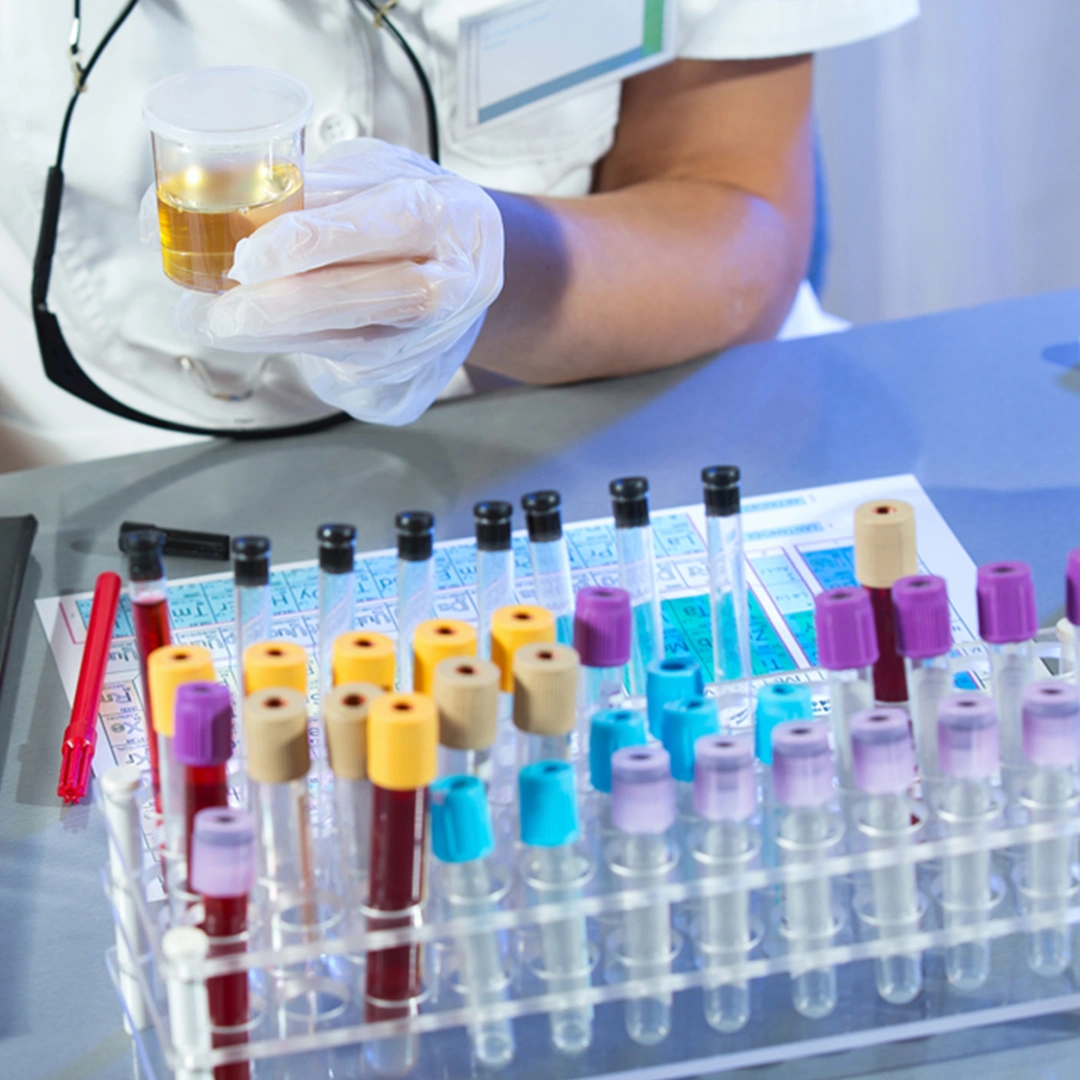
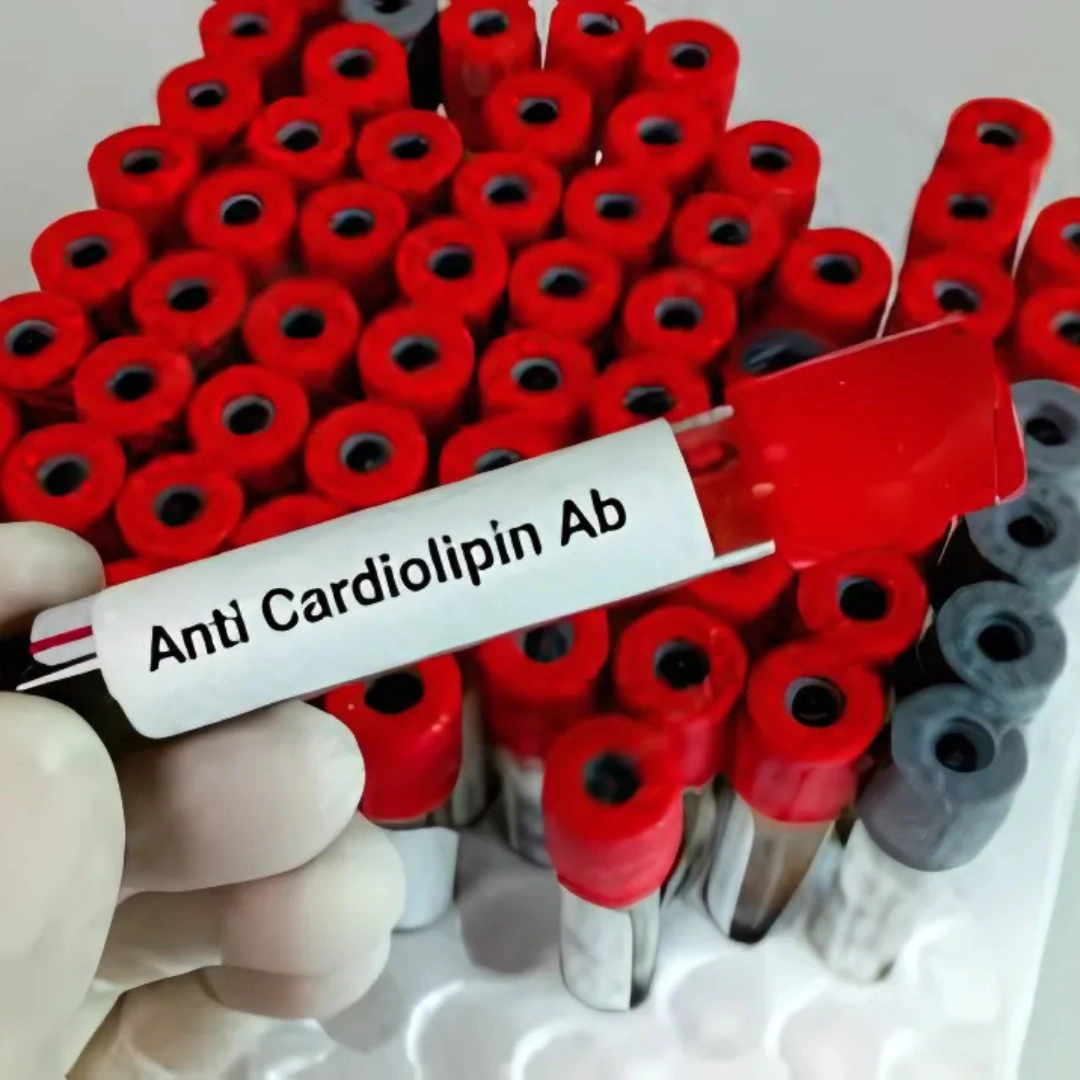
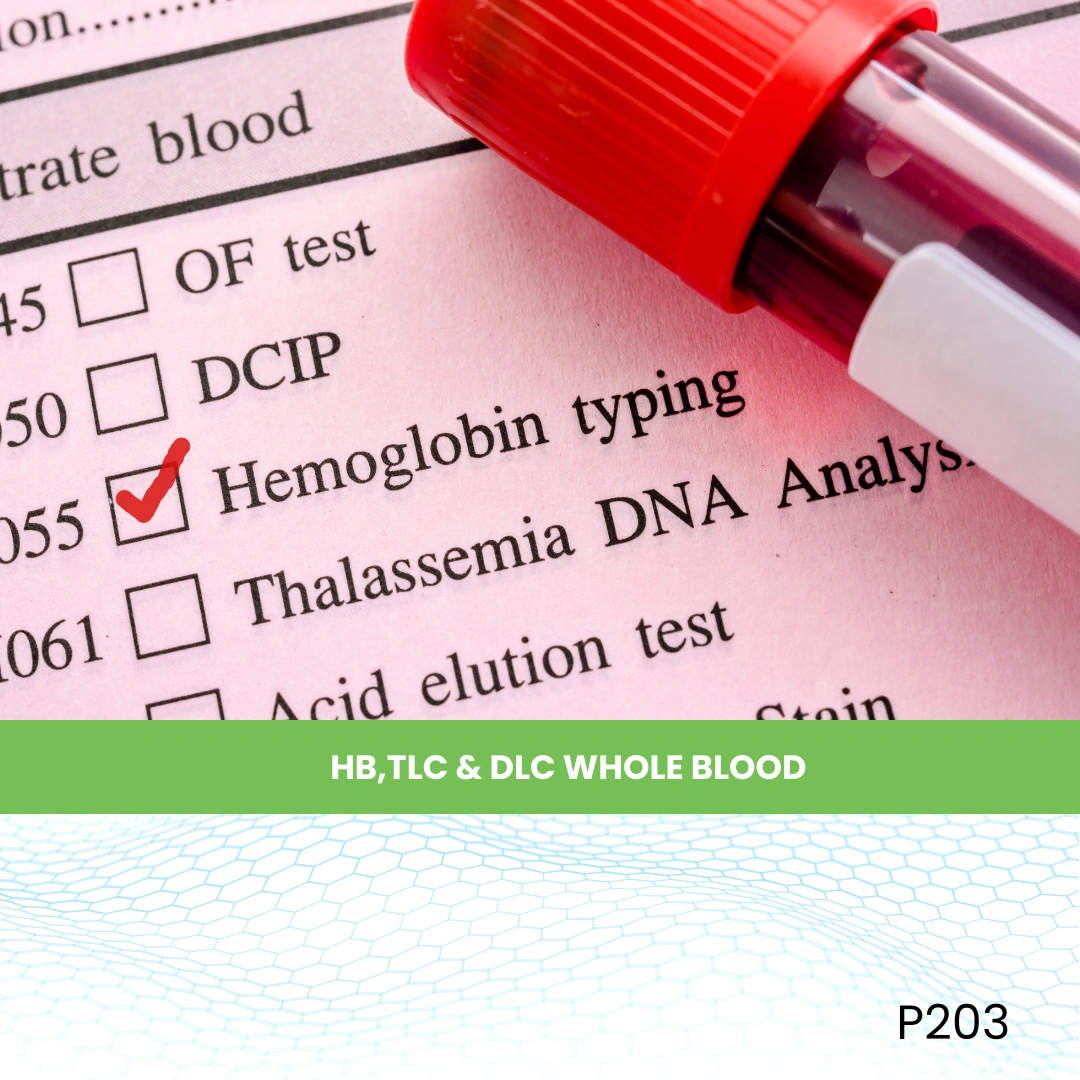
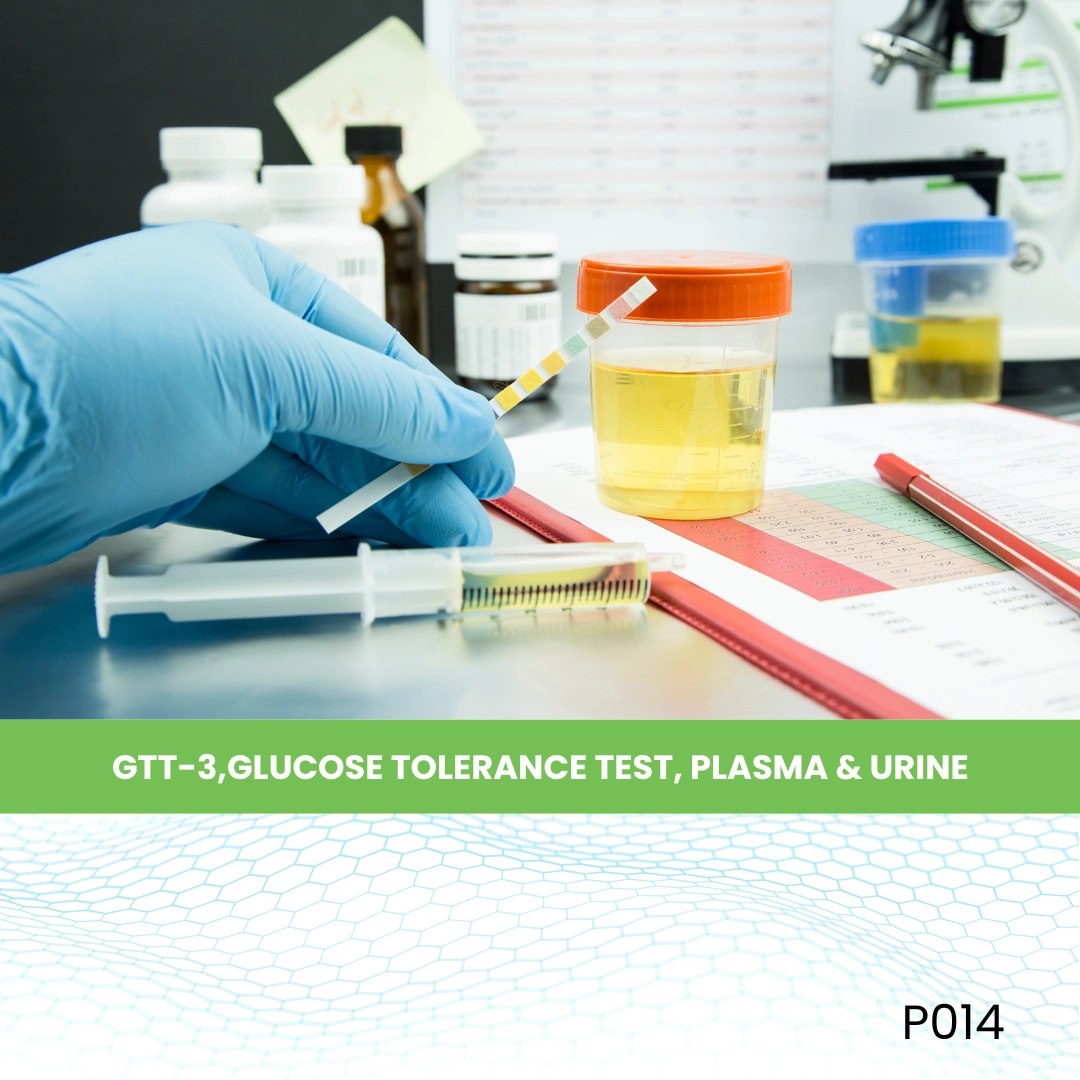
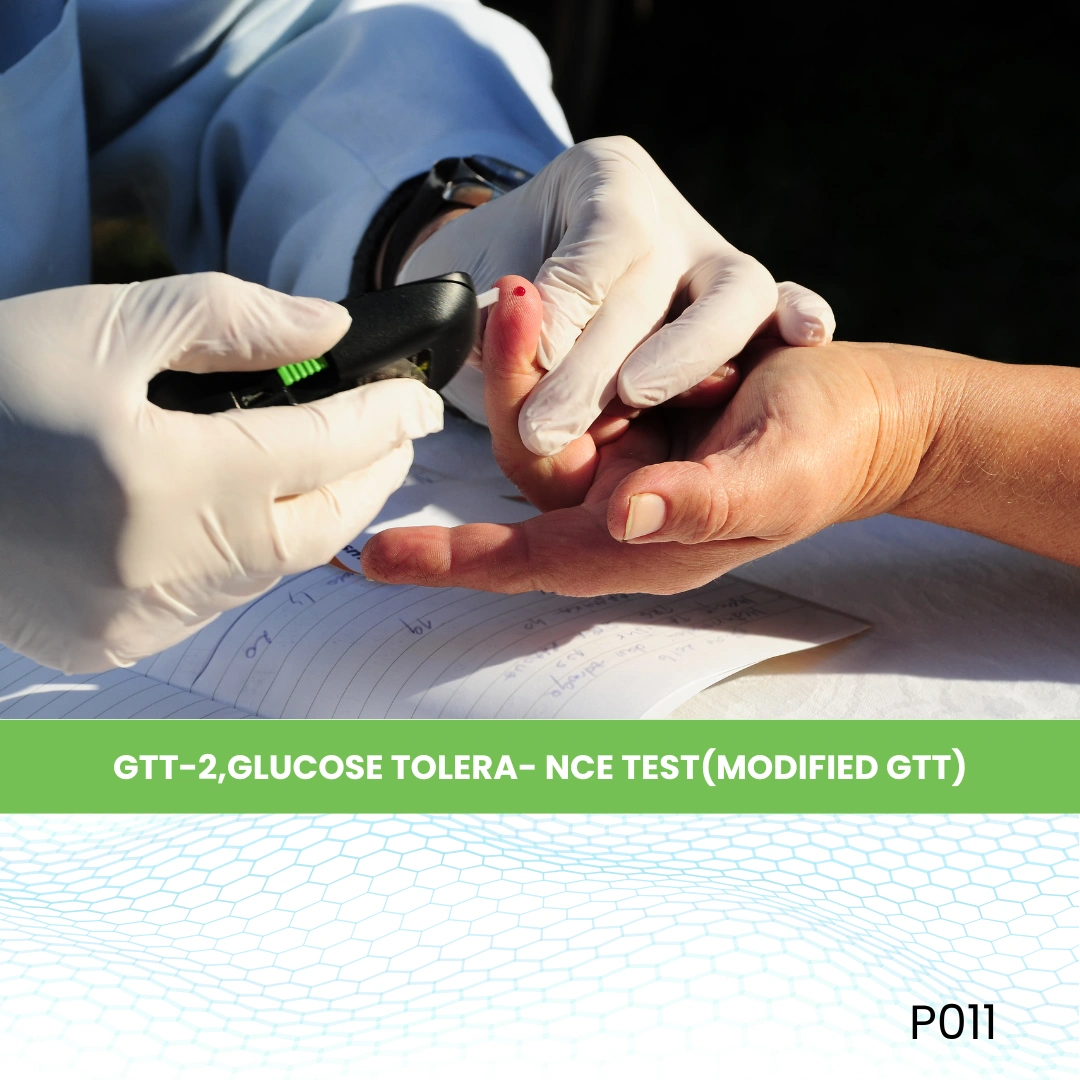
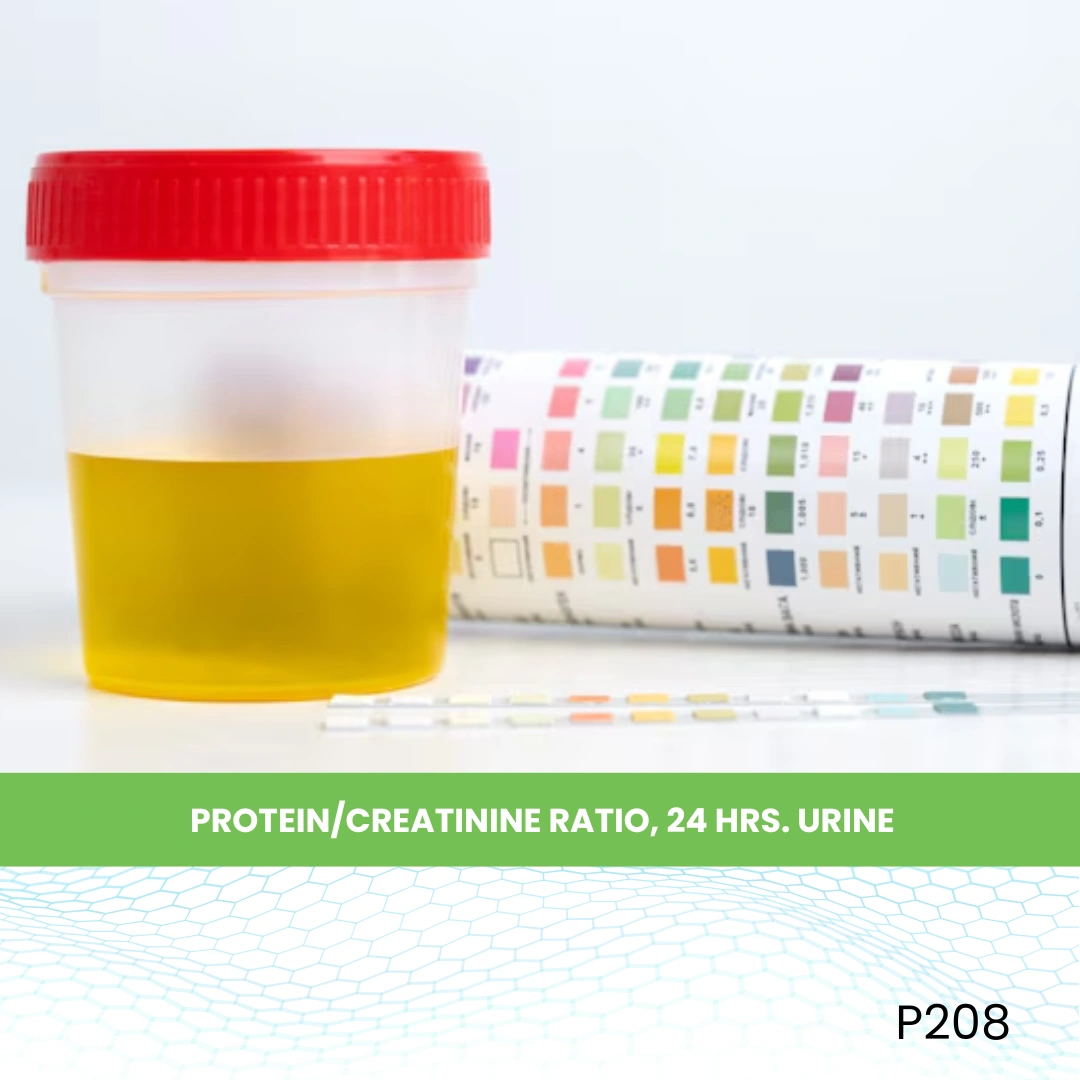
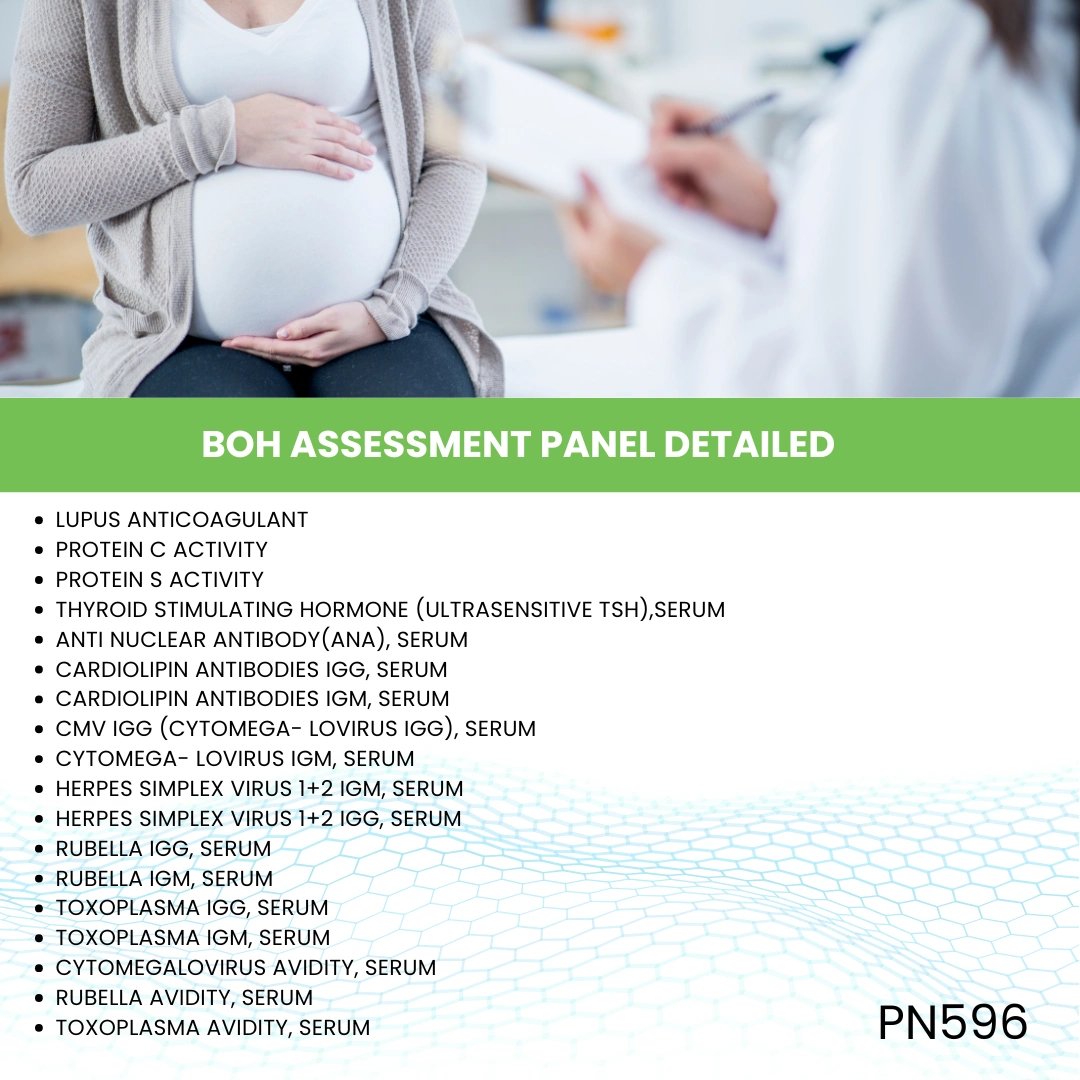
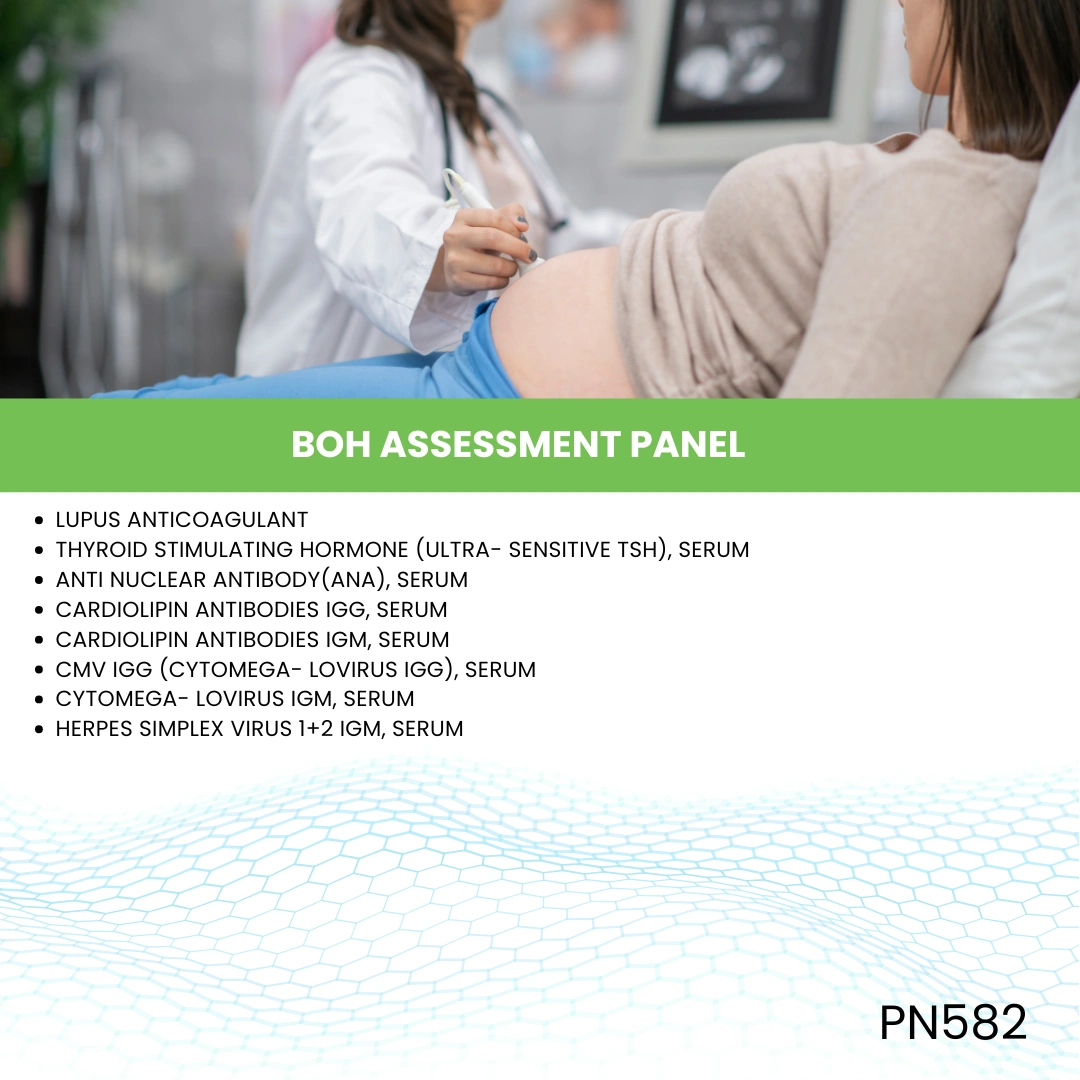
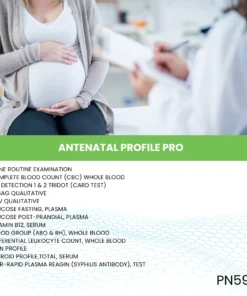
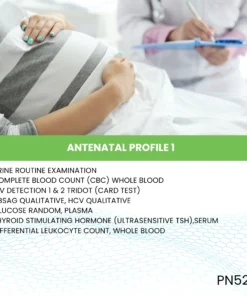
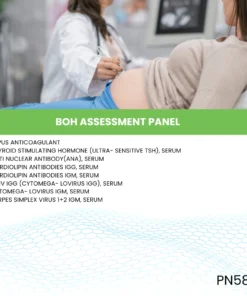
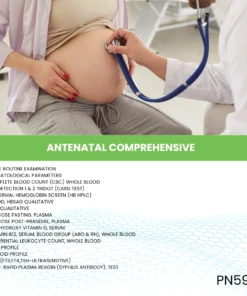
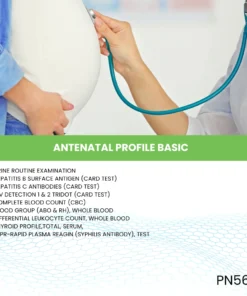
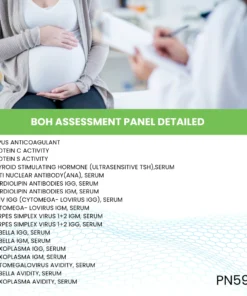
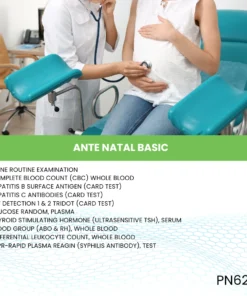
This profile helps evaluate maternal health, screen for anemia and infections, assess blood sugar control, and detect complications that could impact pregnancy. It typically includes tests such as complete blood count (CBC), blood grouping & Rh typing, HIV, hepatitis B surface antigen (HBsAg), syphilis (VDRL), random or fasting blood sugar, urine analysis, thyroid function test (TSH), and rubella IgG. Some labs may also include liver and kidney function tests.
Symptoms That May Lead to the Test
This test panel is recommended for all pregnant women as part of routine antenatal checkups, regardless of symptoms. However, it is particularly important if the mother experiences fatigue, pallor, swelling, urinary symptoms, high blood pressure, risk of gestational diabetes, or has a history of pregnancy complications.
Abnormal Results
Low Hemoglobin / Abnormal CBC: Suggests anemia, requiring dietary supplements or medical treatment.
Positive Infections (HIV, HBsAg, VDRL): Require urgent medical care to reduce the risk of mother-to-child transmission.
High Blood Sugar: May indicate gestational diabetes, needing dietary changes or insulin therapy.
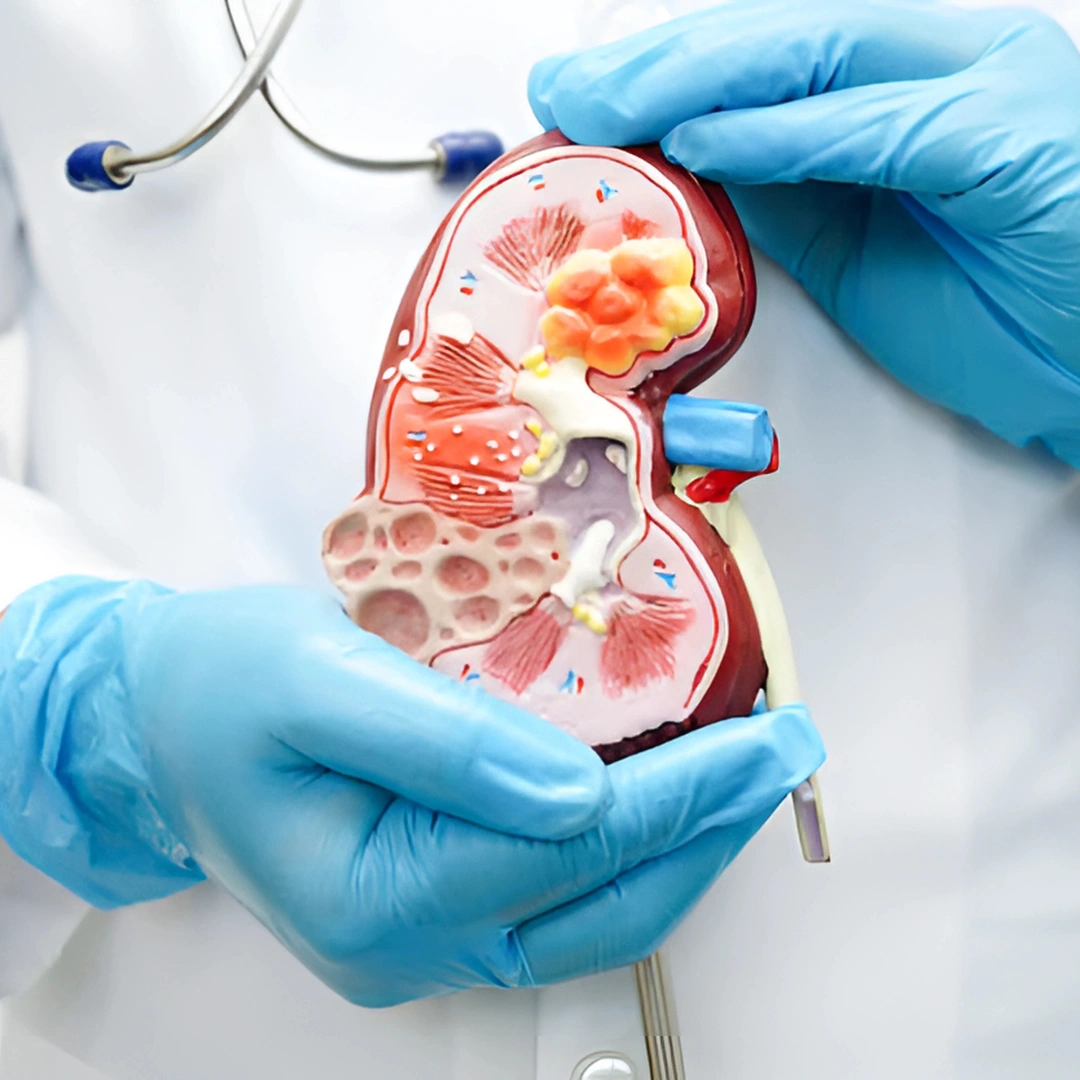
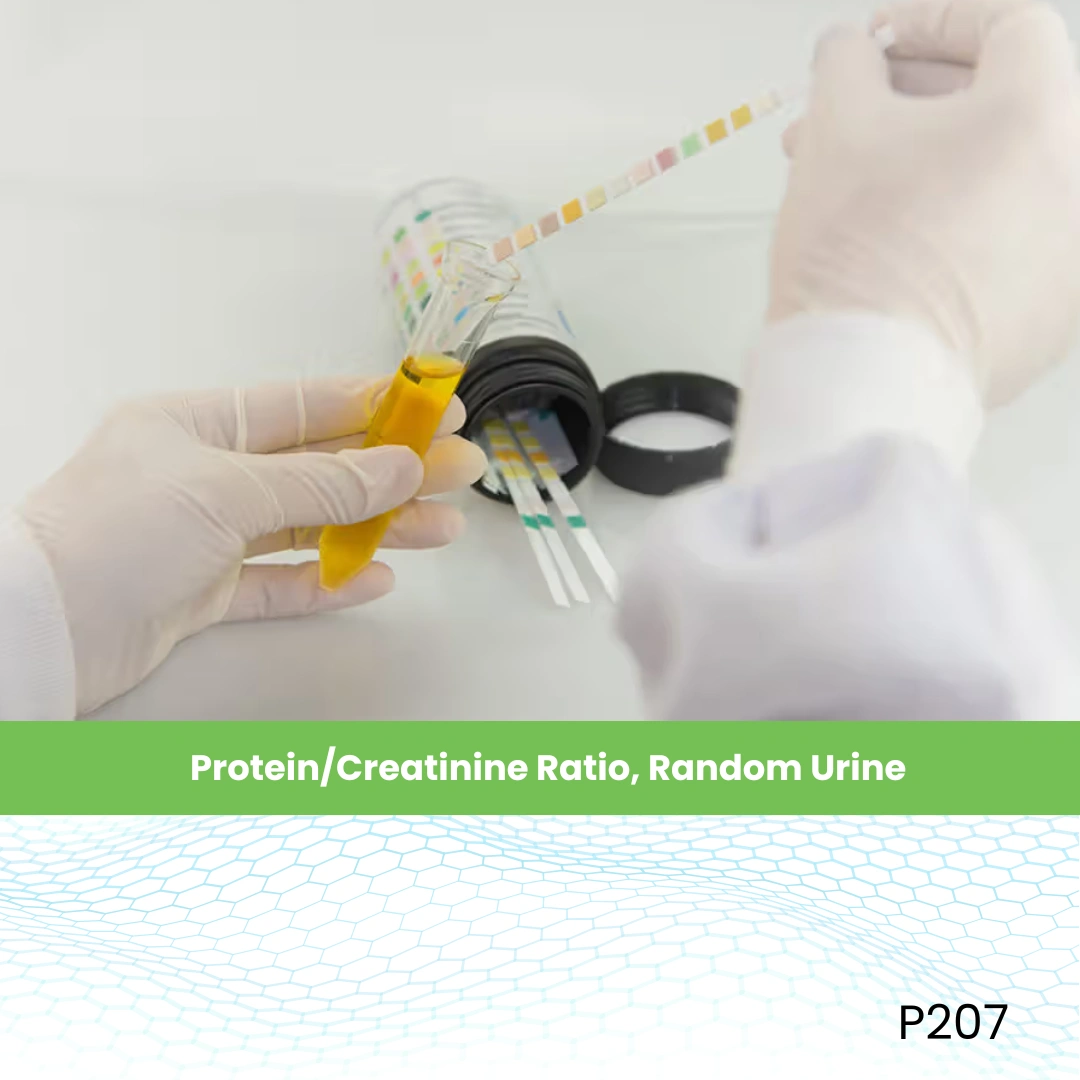
Abnormal Urine Findings: Can suggest urinary tract infections, proteinuria, or possible preeclampsia.
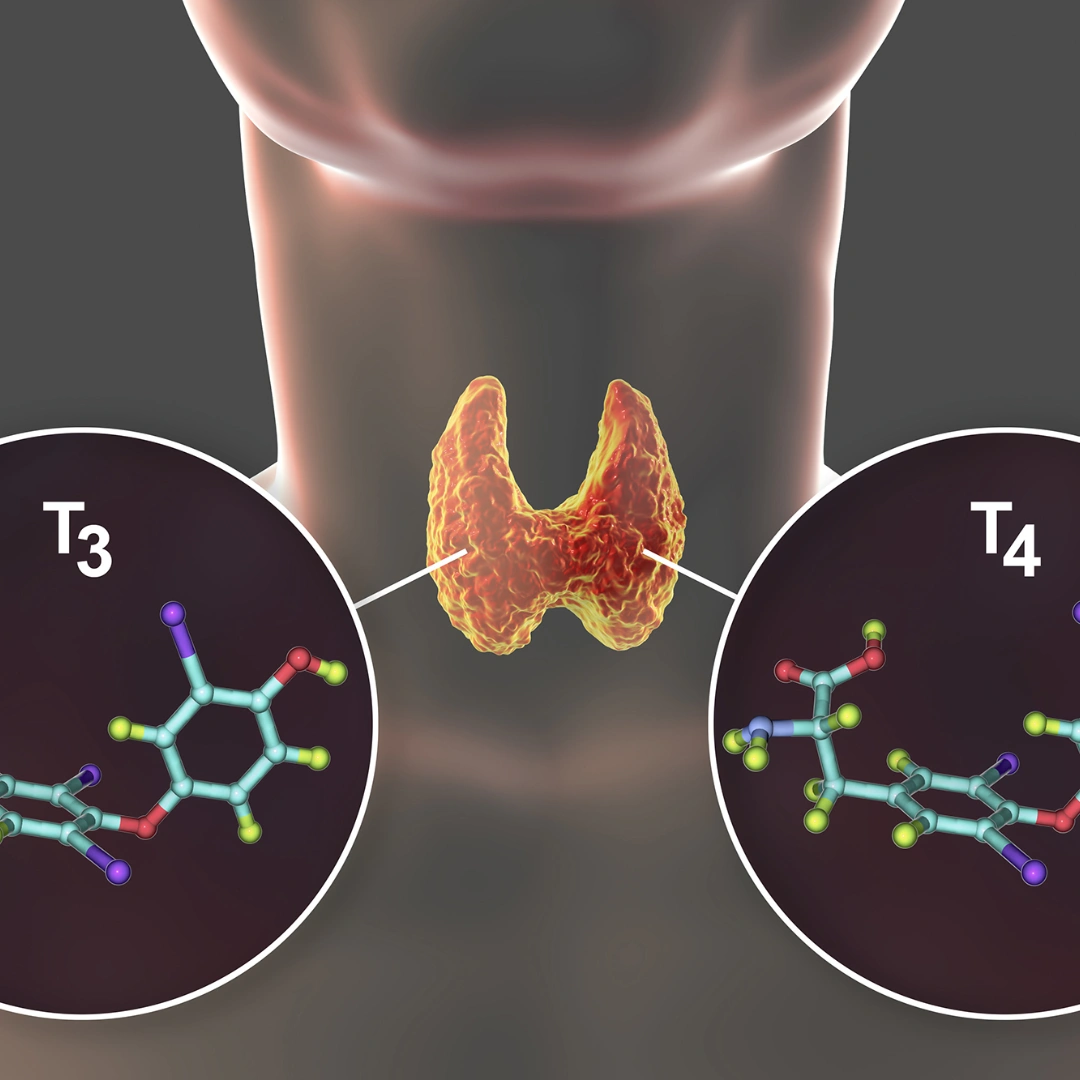
TSH Abnormalities: Indicate thyroid dysfunction, which can affect pregnancy outcomes if untreated.
Rubella IgG: Indicates immunity status; non-immune mothers may need vaccination after delivery.
Risks
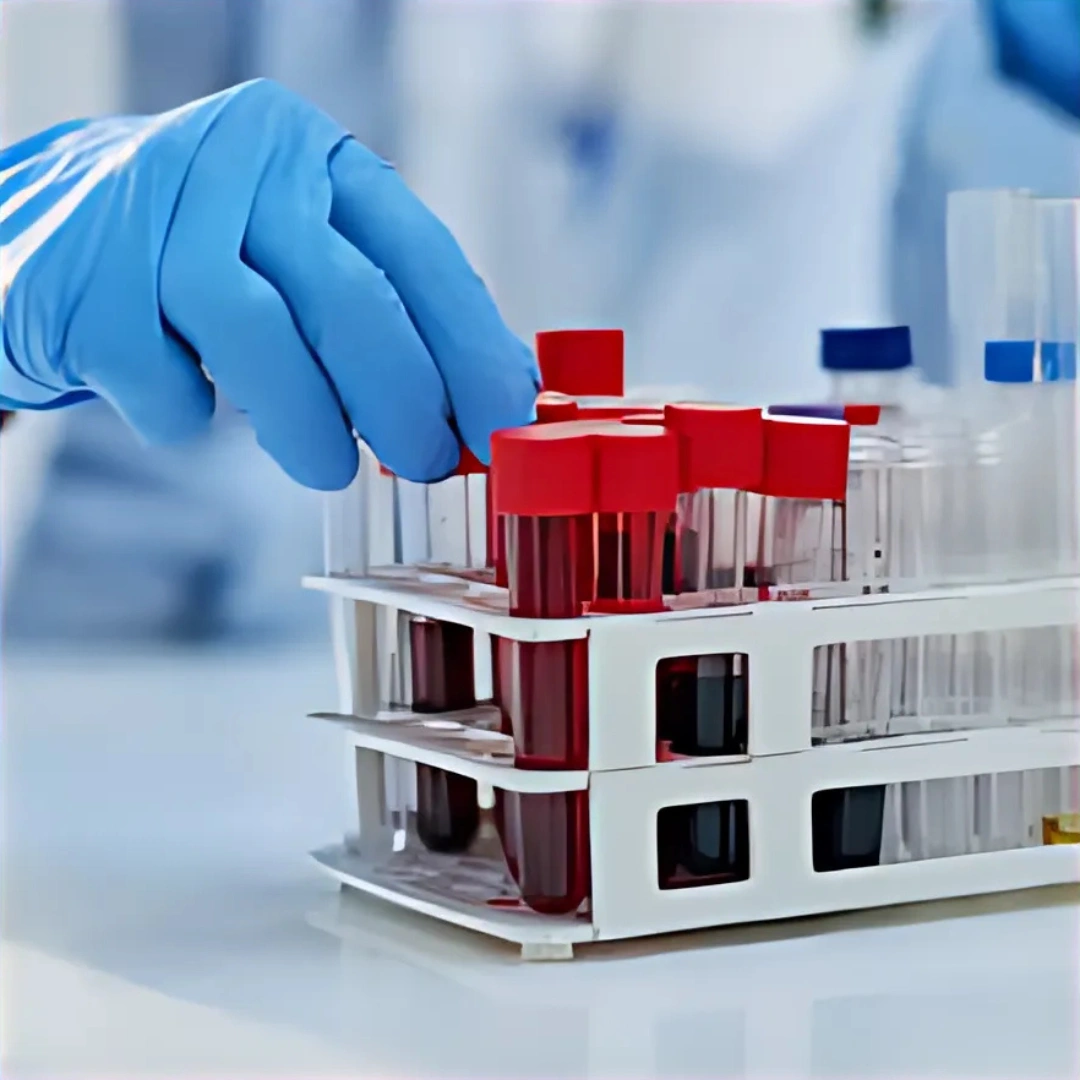
The profile requires a blood draw and urine sample. Risks are minimal, including mild discomfort, bruising, or dizziness from blood collection. There are no long-term complications, and the benefits of early detection far outweigh any minor risks.


Reviews
There are no reviews yet.