Beta-2 Microglobulin (Urine)
What it is
The Beta-2 Microglobulin (B2M) urine test measures the level of beta-2 microglobulin, a low-molecular-weight protein normally filtered by the kidneys. It helps evaluate kidney function, especially the health of the renal tubules, and may also indicate certain immune or blood-related disorders.
Uses
This test is used to detect kidney damage, particularly tubular disorders, monitor patients with multiple myeloma or lymphoma, and assess exposure to toxins that affect kidney health. It may also be ordered alongside blood tests to compare serum and urine levels.
Symptoms That May Lead to the Test
Doctors may recommend this test if you have symptoms of kidney problems such as swelling, fatigue, high blood pressure, decreased urine output, or unexplained protein loss in urine. It is also used for patients with cancers like multiple myeloma or chronic infections that may affect kidney function.
Abnormal Results
High levels in urine: Suggest tubular damage, chronic kidney disease, glomerulonephritis, or toxicity due to drugs or heavy metals. It may also be elevated in patients with cancers like multiple myeloma or lymphoma.
Low or normal levels: Usually indicate healthy kidney tubular function, though results must be interpreted with serum B2M and other kidney tests.
Risks
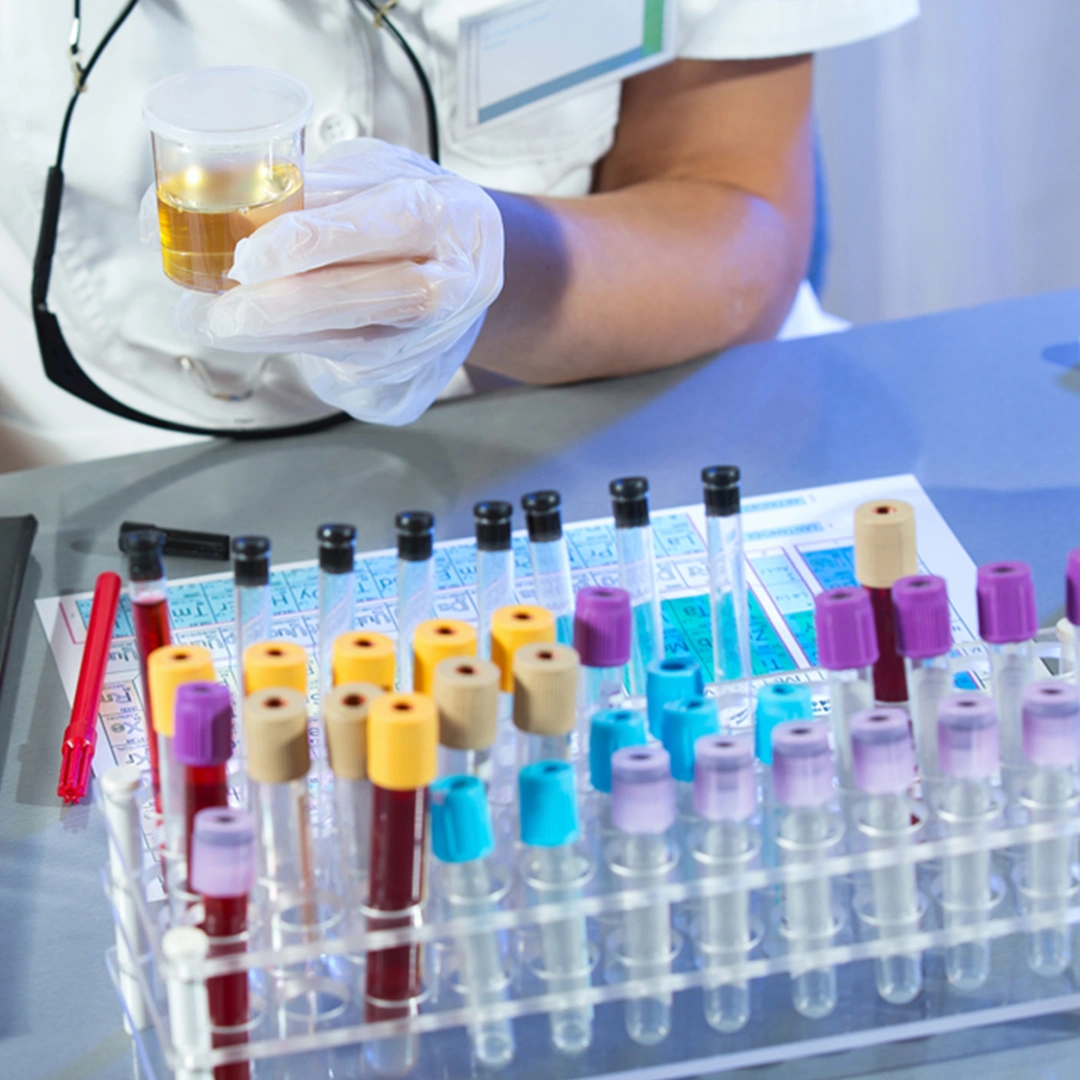
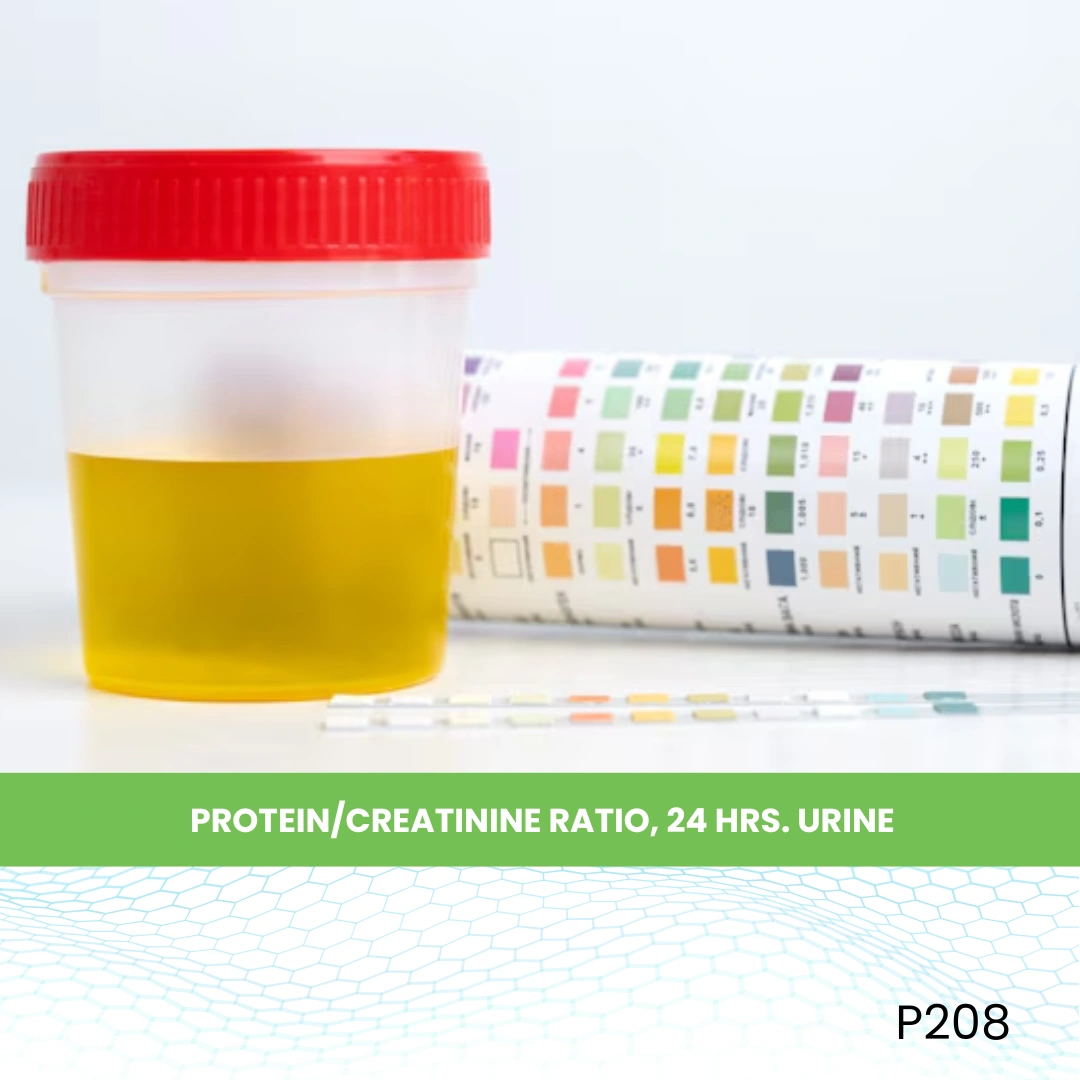
The test involves a urine sample collection and carries no direct risks. It is non-invasive, safe, and painless, though some may find 24-hour urine collection inconvenient.


Reviews
There are no reviews yet.