Troponin I [Quantitative]
What it is
The Troponin I Quantitative test measures the exact amount of cardiac troponin I protein in the blood. Troponin I is a highly specific marker of heart muscle injury, released into the bloodstream when the heart muscle is damaged. This test provides precise values to assess the extent and progression of heart damage.
Uses
The Troponin I test is mainly used to diagnose acute myocardial infarction (heart attack), detect minor heart injuries such as myocarditis or unstable angina, monitor patients with chest pain or suspected acute coronary syndrome, evaluate prognosis in heart failure or pulmonary embolism, and track response to treatment in cardiac patients.
Symptoms That May Lead to the Test
Doctors may order this test if a patient experiences chest pain or pressure, pain radiating to the arm, jaw, or back, shortness of breath, nausea, vomiting, sweating, palpitations, dizziness, fainting, or sudden weakness and fatigue.
Abnormal Results
High Troponin I: Indicates significant heart muscle injury, commonly due to acute myocardial infarction, myocarditis, pericarditis, heart failure, pulmonary embolism, or sepsis. Chronic kidney disease may also cause persistently high levels without acute heart attack.
Normal or Low Troponin I: Suggests no major cardiac injury. However, serial testing is required as troponin levels usually rise 3–6 hours after damage and peak within 12–24 hours.
Risks
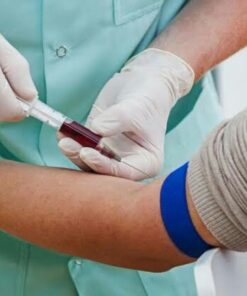
The test involves a routine blood draw with minimal risks. Possible side effects include mild pain, bruising, or bleeding at the puncture site, and rarely dizziness or infection.
![TROPONIN I [QUANTITATIVE]](https://prolab.learningcurvebysudhir.com/wp-content/uploads/2025/09/ALLERGY-SCREEN-38-1.webp)


Reviews
There are no reviews yet.