BK Virus (Quantitative)
What it is
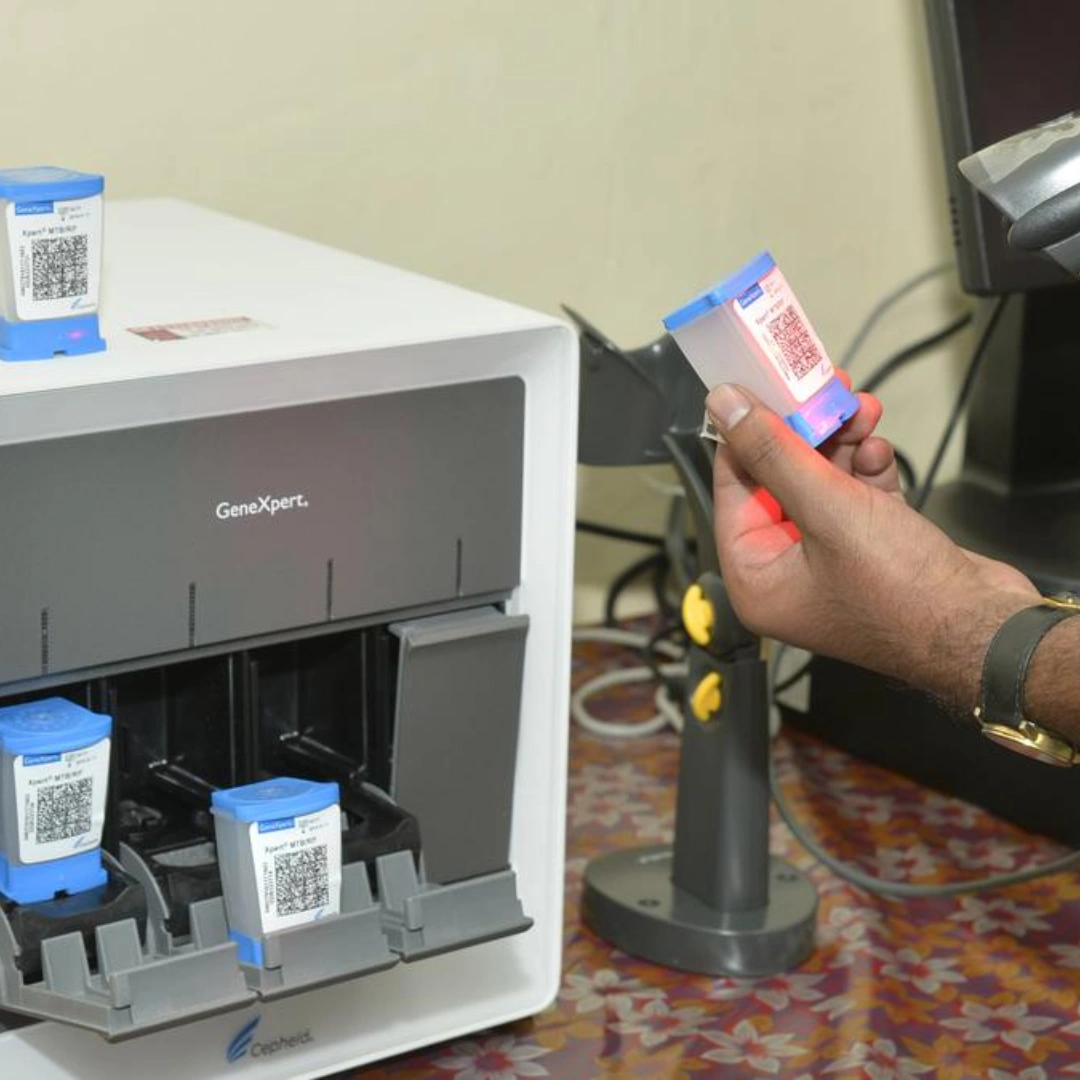
The BK Virus (Quantitative) test measures the amount of BK virus DNA in blood or urine using PCR (Polymerase Chain Reaction) techniques. The BK virus is a common polyomavirus that usually remains dormant but can reactivate in people with weakened immune systems, especially organ transplant recipients.
Uses
This test is primarily used to monitor patients after kidney or bone marrow transplantation. It helps in early detection of BK virus reactivation, guides treatment decisions, and prevents complications such as BK virus nephropathy and kidney graft loss.
Symptoms That May Lead to the Test
Doctors may order this test if a transplant patient shows signs of kidney dysfunction, abnormal creatinine levels, or unexplained fever. It may also be recommended in cases of suspected viral reactivation in immunocompromised individuals.
Abnormal Results
High Viral Load: Indicates active BK virus replication, suggesting increased risk of kidney damage, graft rejection, or nephropathy. Requires medical intervention to adjust immunosuppressive therapy.
Low or Undetectable Viral Load: Suggests no active infection or successful suppression of the virus. Regular monitoring is still required in transplant patients.
Risks
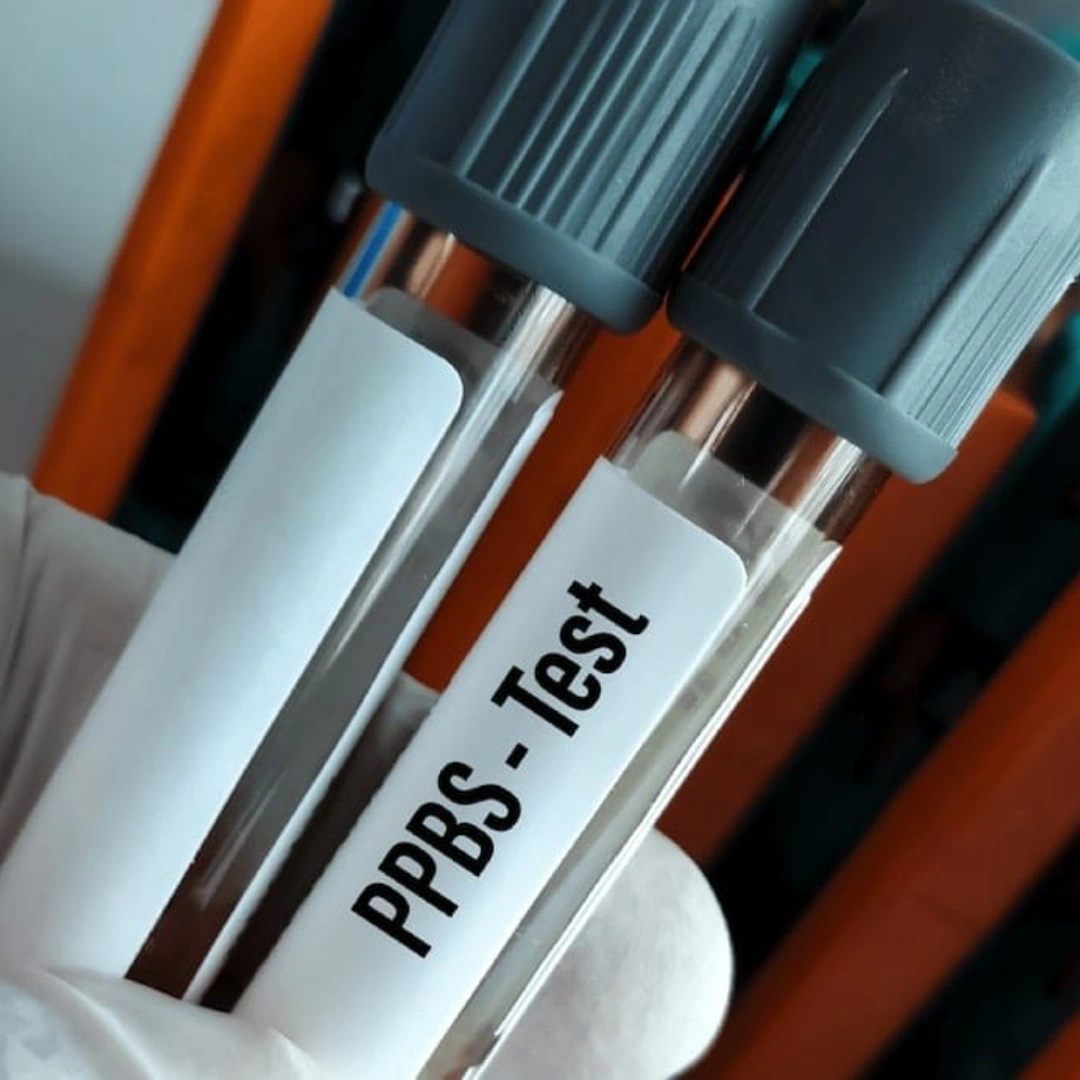
The test is performed on a routine blood or urine sample. Risks are minimal and may include mild pain, bruising, or bleeding at the blood draw site, and rarely dizziness or infection. Urine collection has no associated risks.


Reviews
There are no reviews yet.