BOH Assessment Panel
What it is
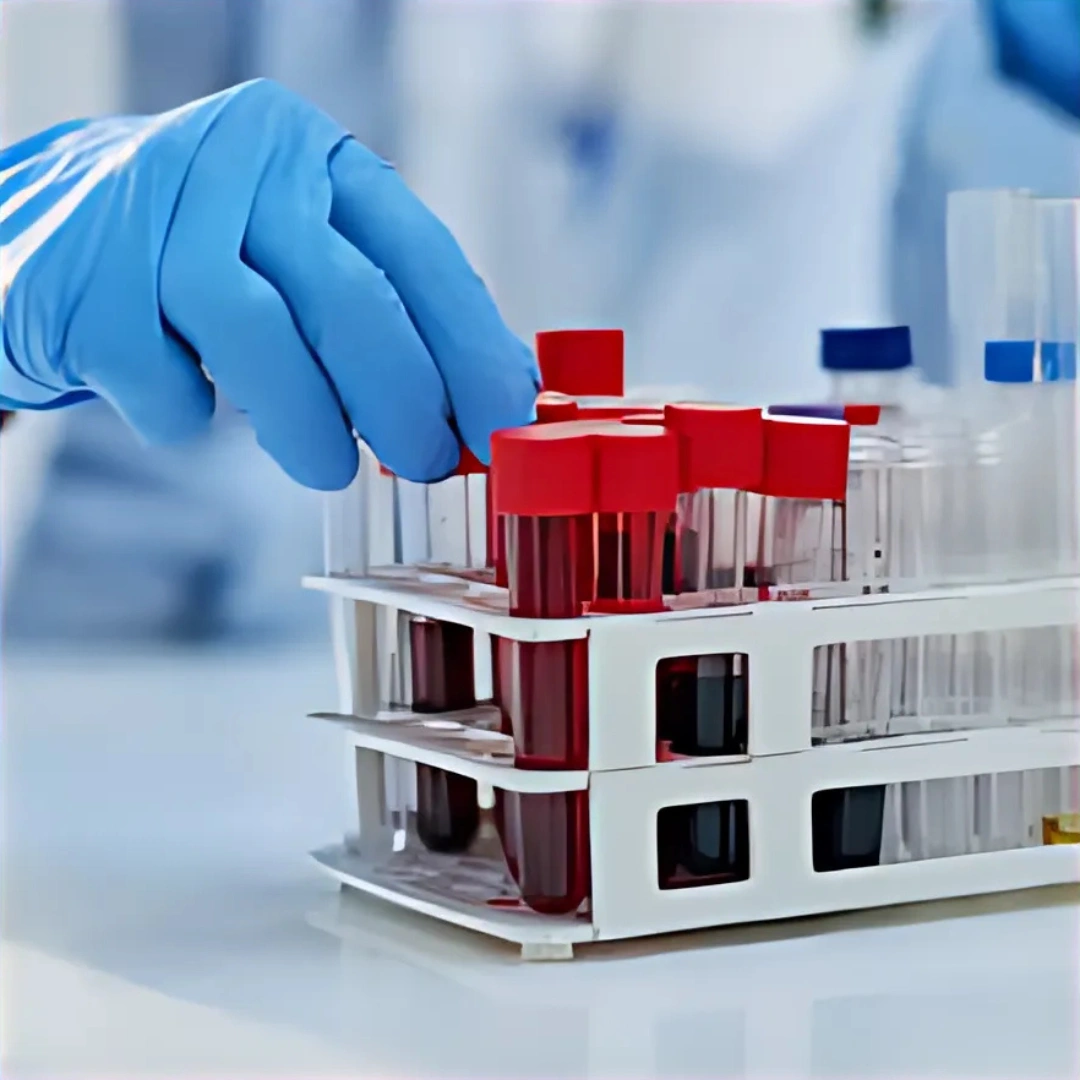
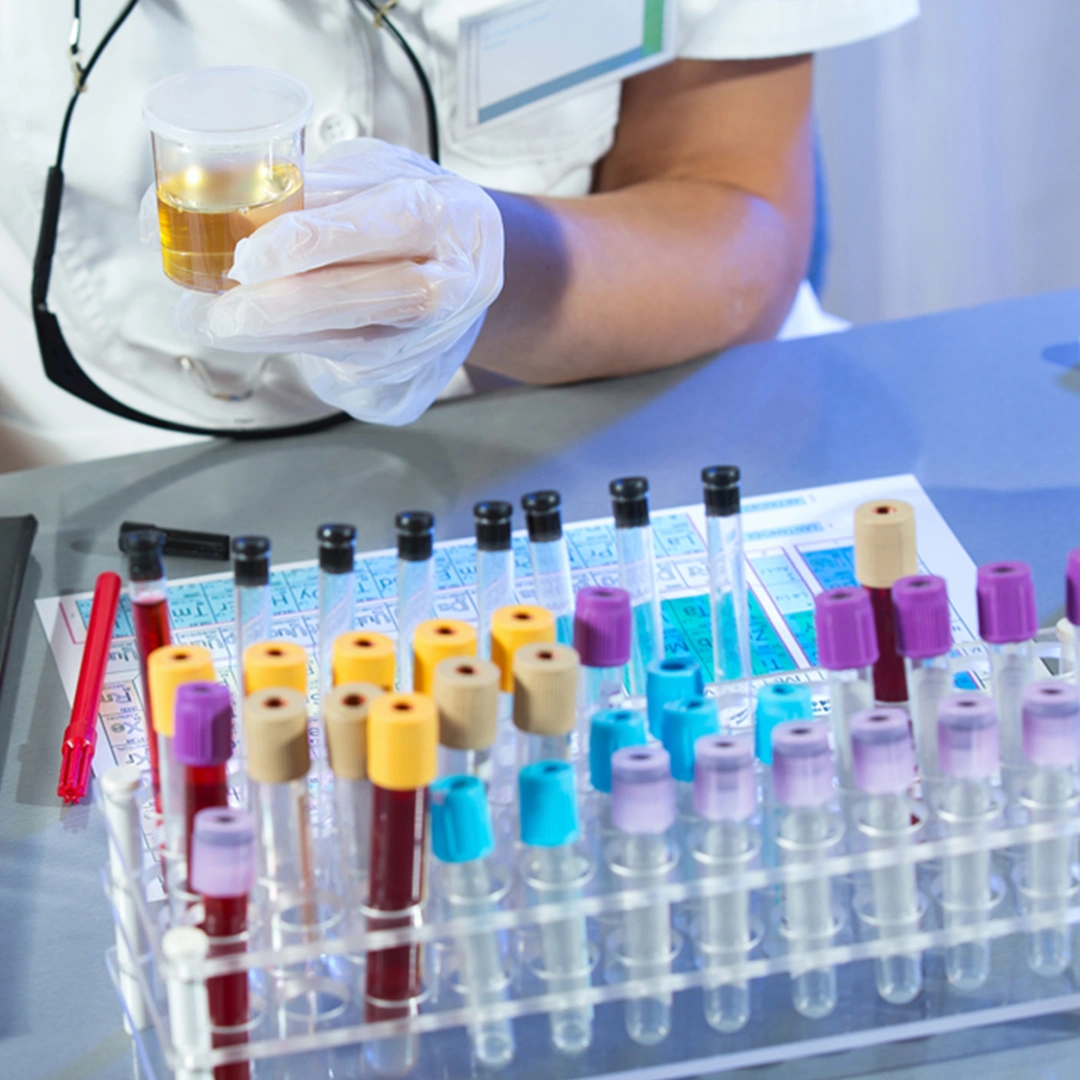
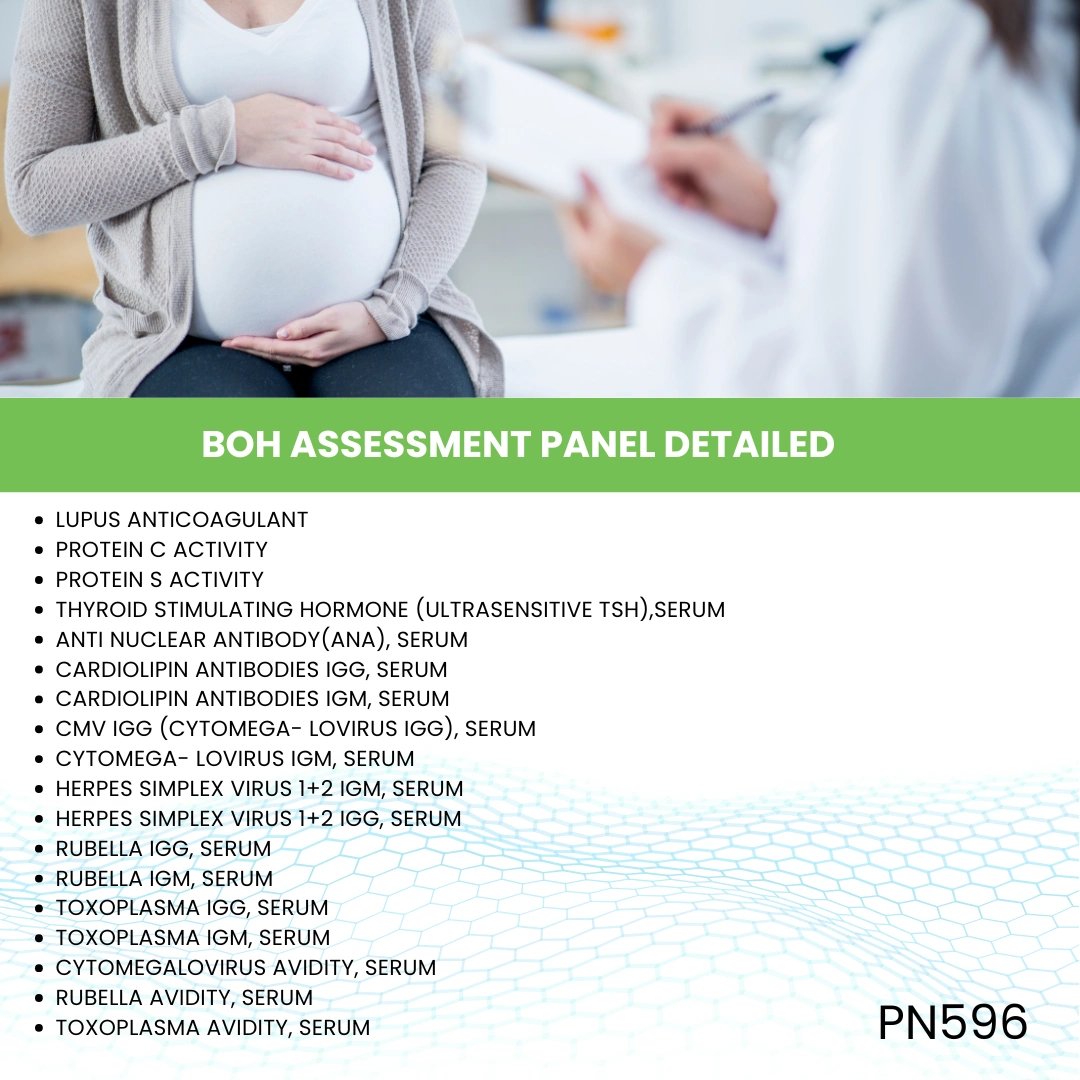
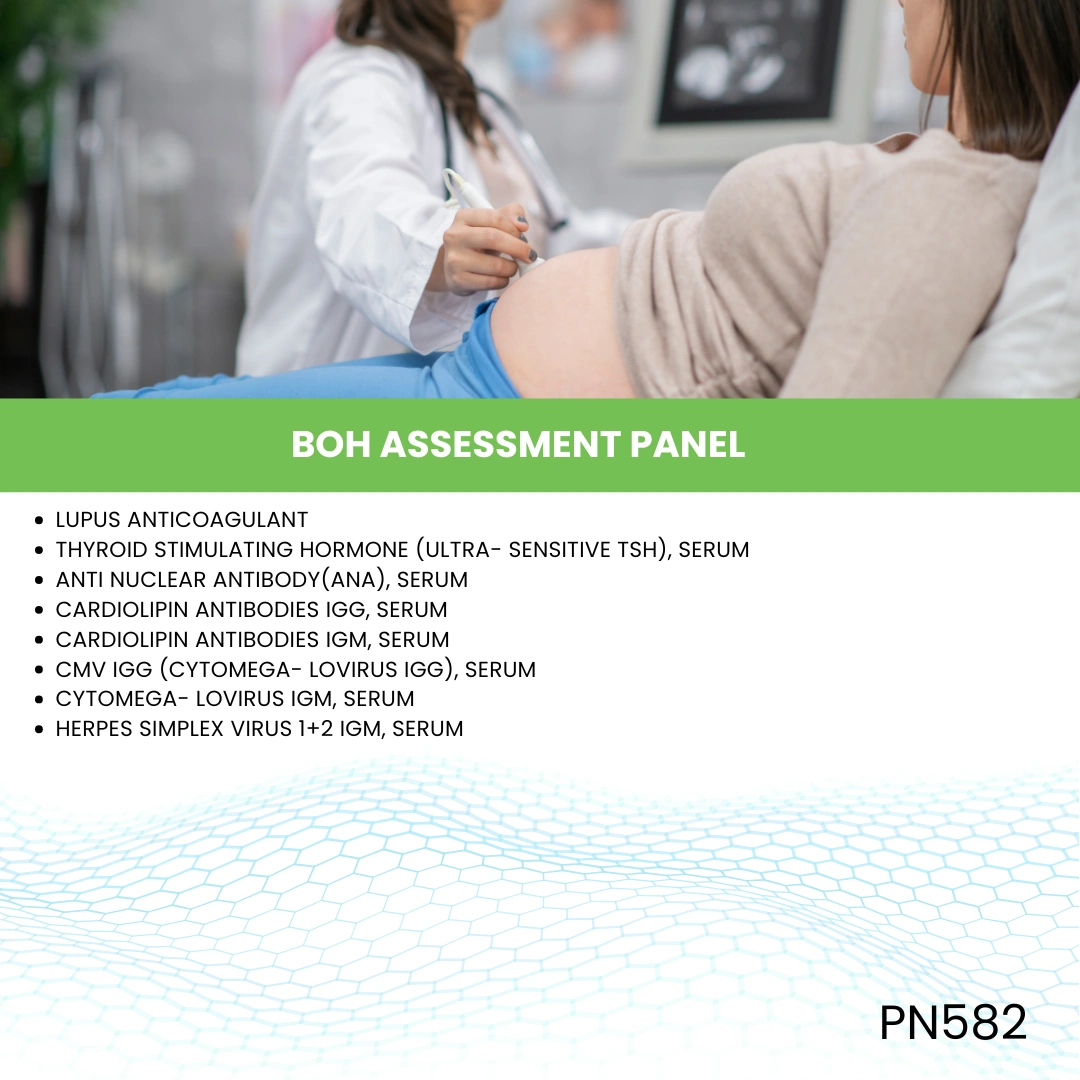
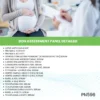
The BOH (Bad Obstetric History) Assessment Panel is a group of blood tests designed to evaluate the causes of repeated pregnancy losses, stillbirths, infertility, or poor pregnancy outcomes. It screens for infections, autoimmune disorders, clotting abnormalities, and hormonal problems that may affect pregnancy success.
Uses
This panel is used to investigate women with recurrent miscarriages, stillbirths, unexplained infertility, intrauterine growth restriction (IUGR), or preterm labor. It helps detect treatable causes of BOH, guiding therapy to improve chances of a healthy pregnancy.
Typical Components of the Panel
The exact tests may vary by laboratory, but commonly include:
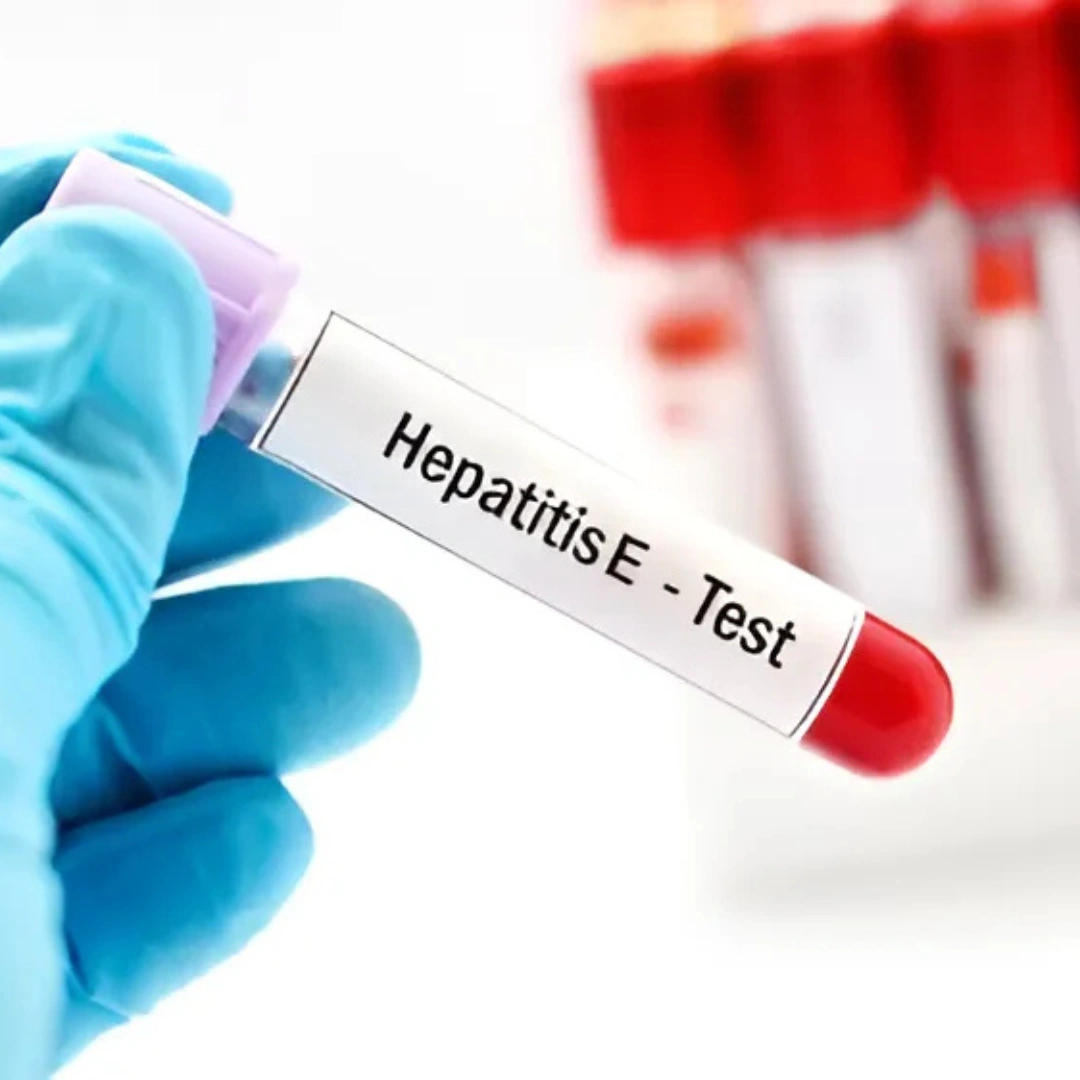
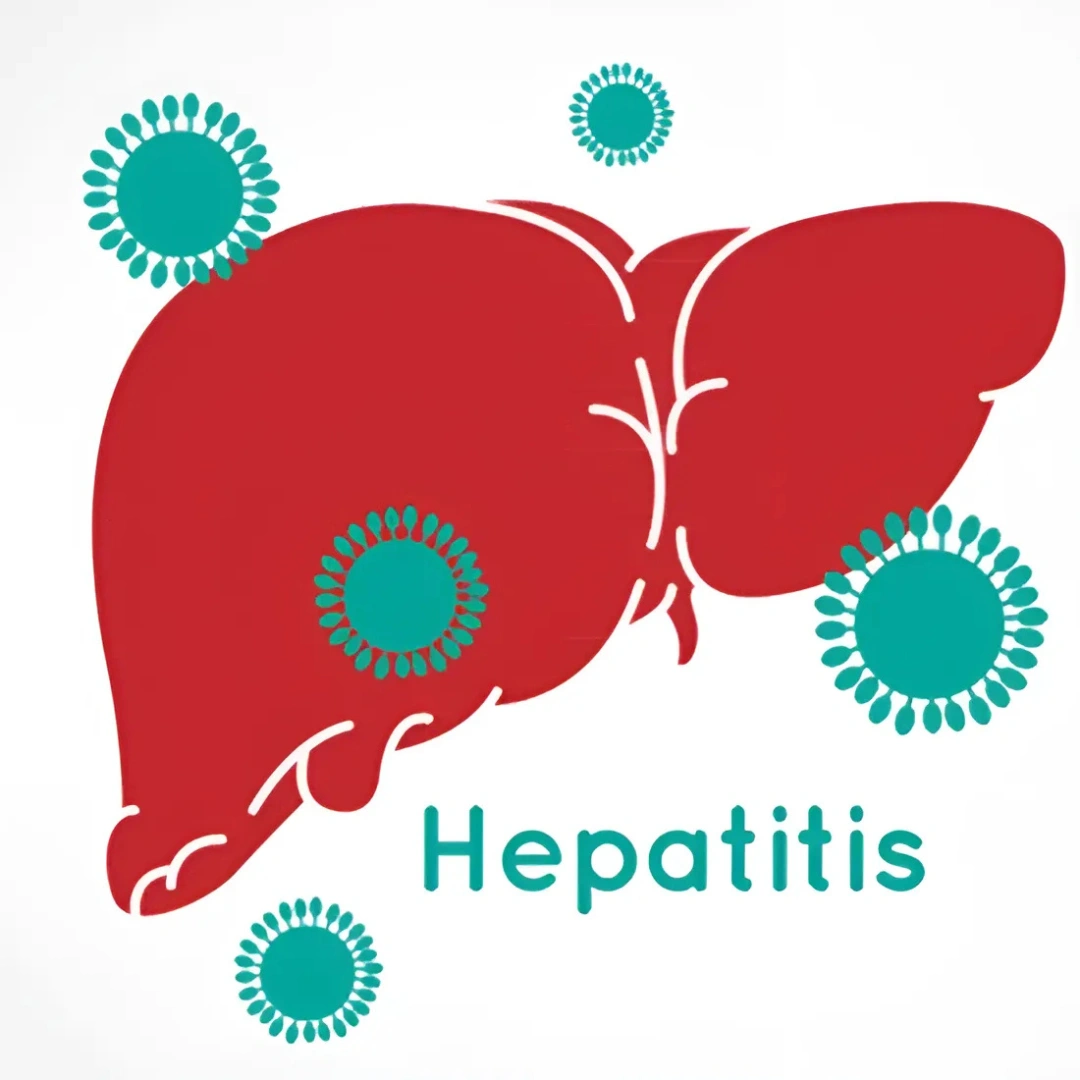
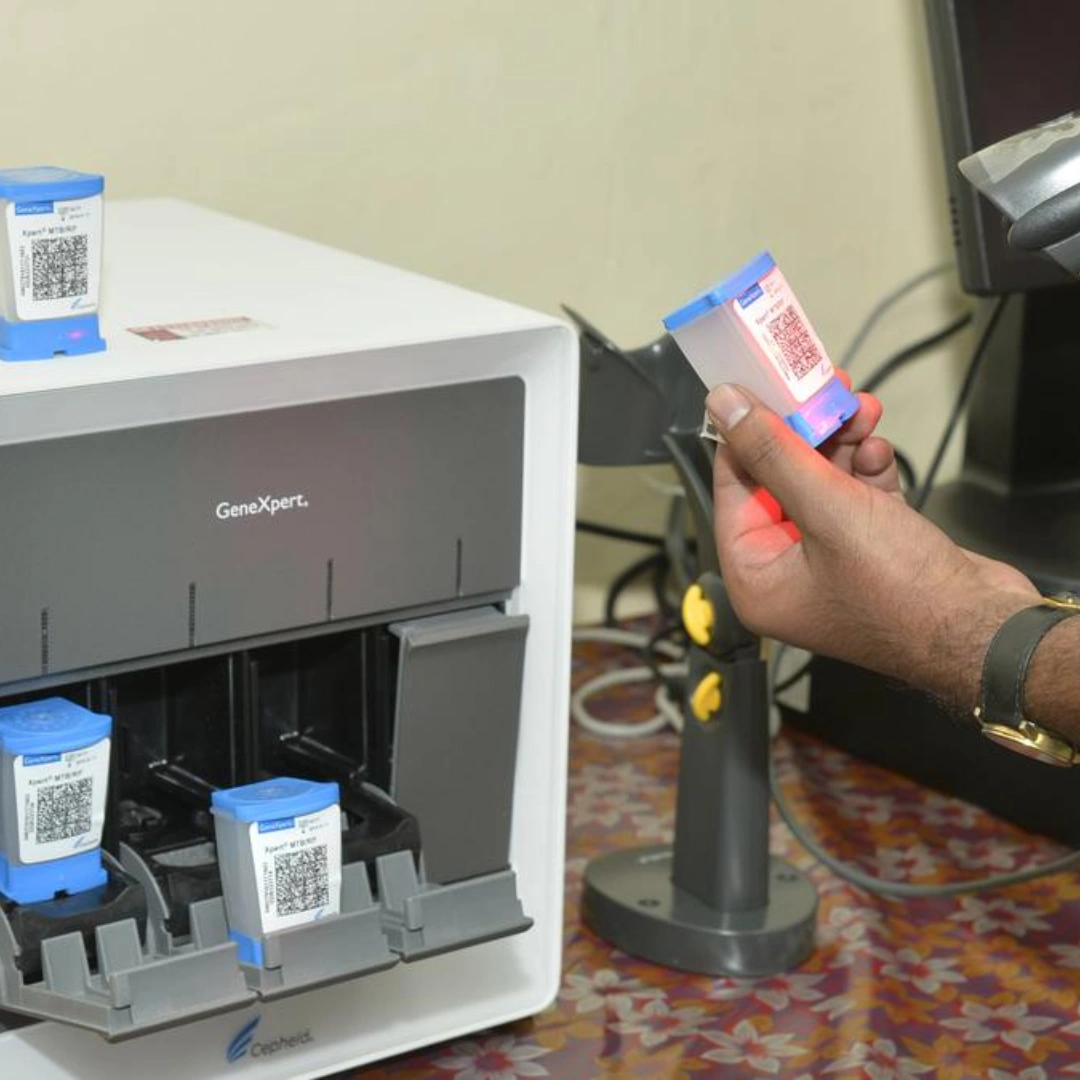
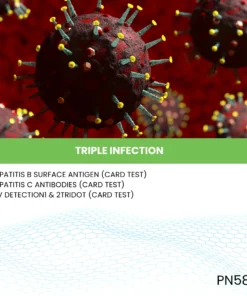
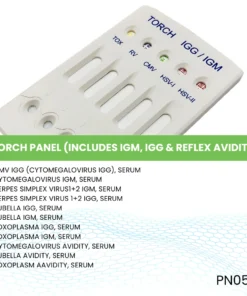
Infectious screening: TORCH panel (Toxoplasmosis, Rubella, CMV, HSV), Syphilis (VDRL), Hepatitis B & C, HIV
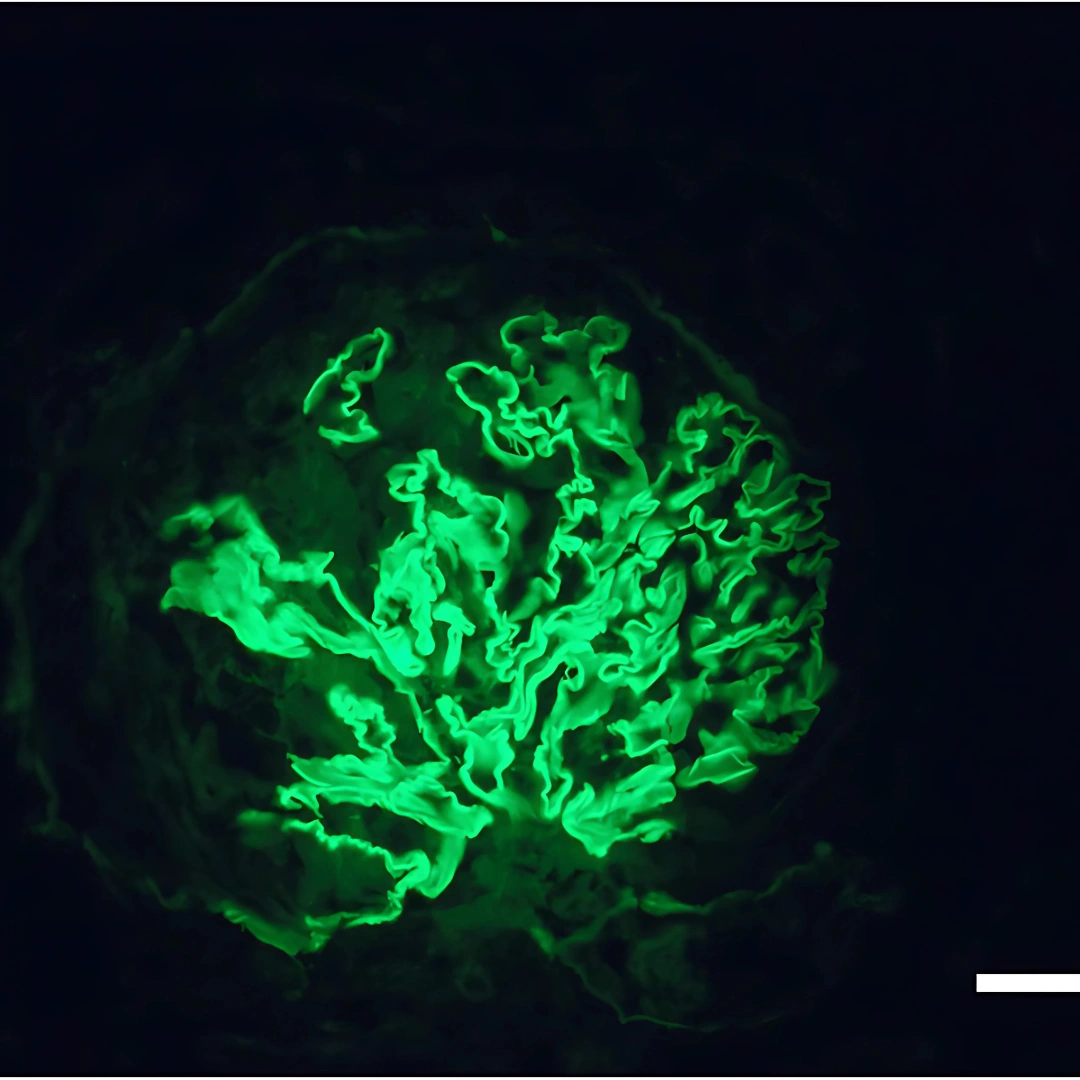
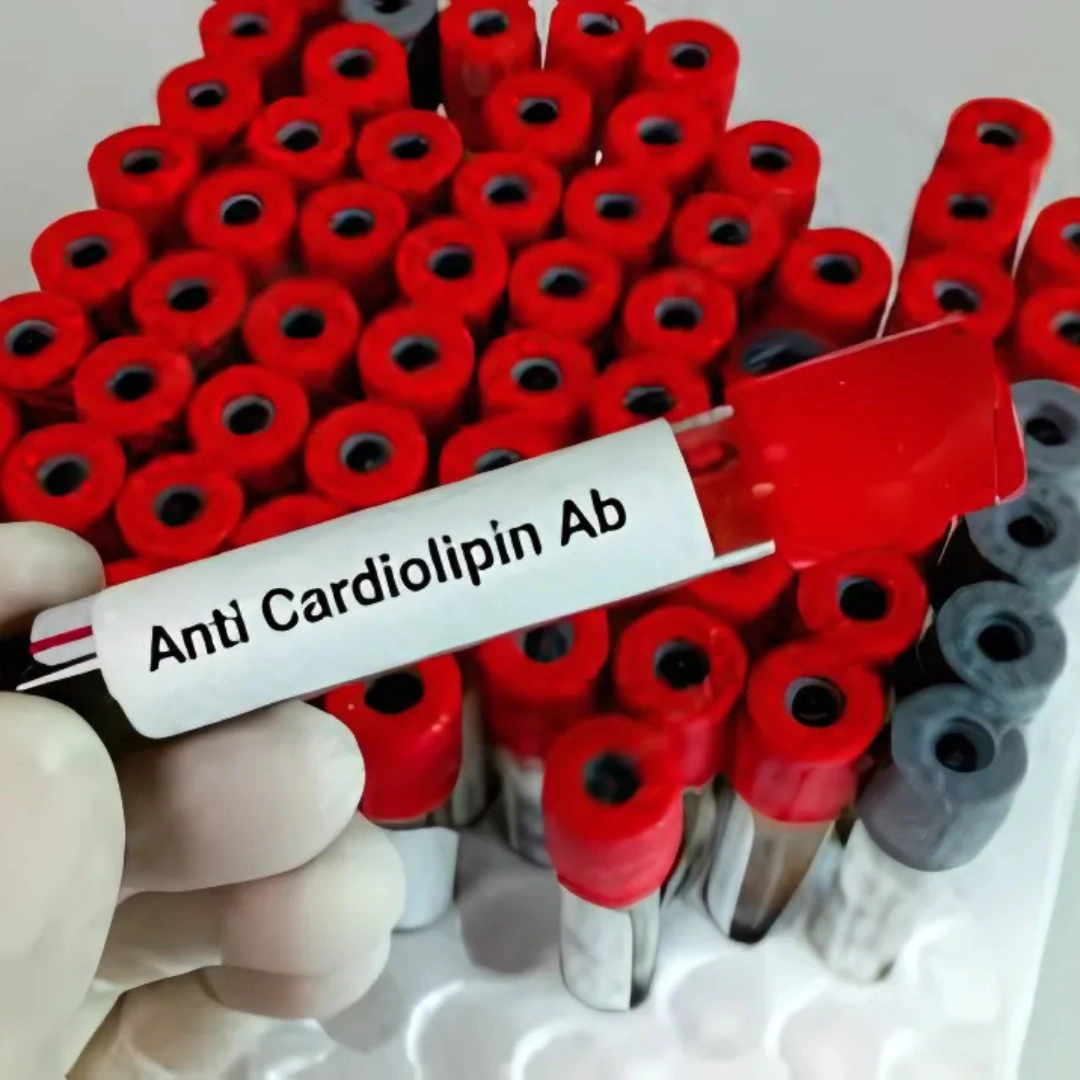
Autoimmune & clotting disorders: Antiphospholipid antibodies (APLAs), Lupus anticoagulant, ANA (Antinuclear Antibodies)
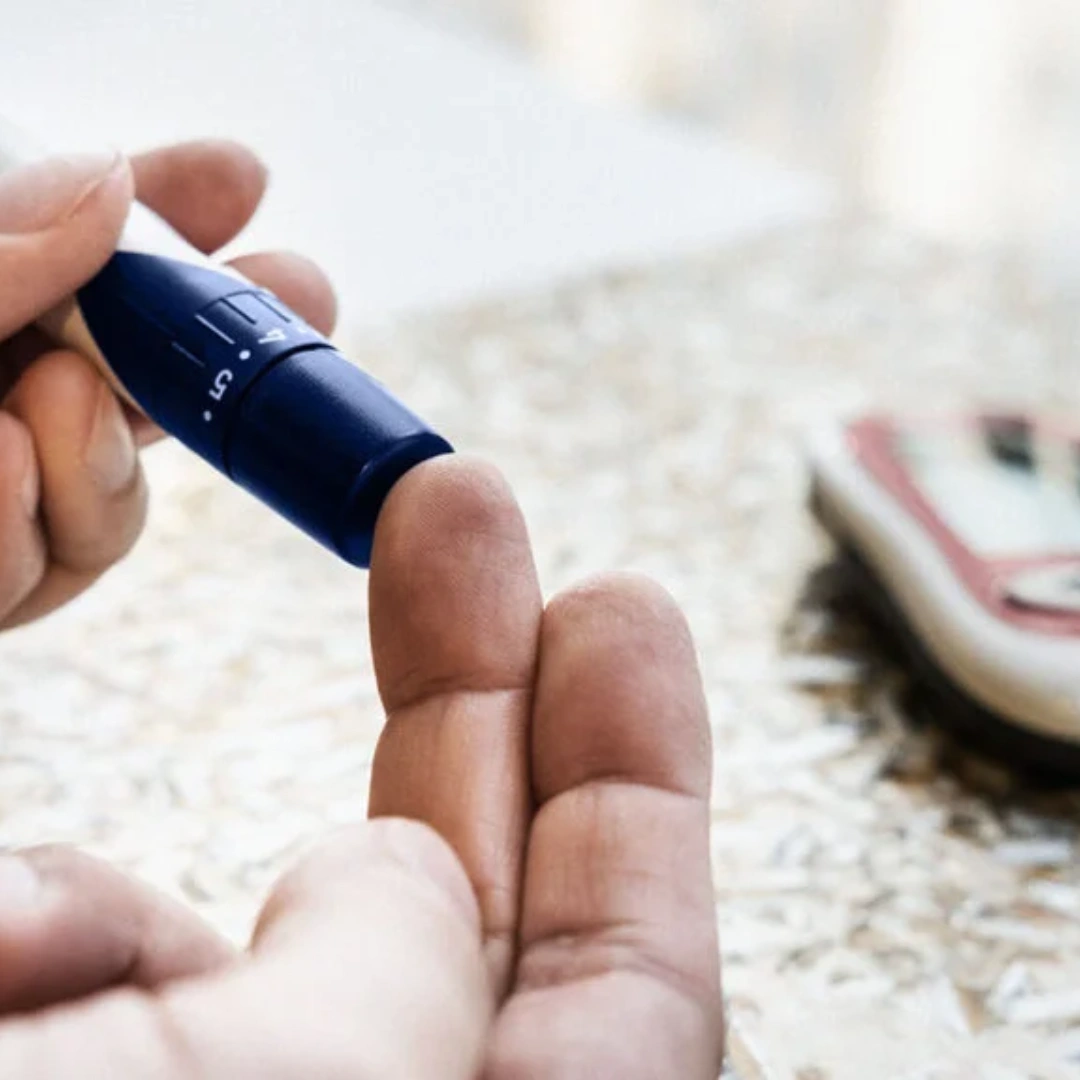
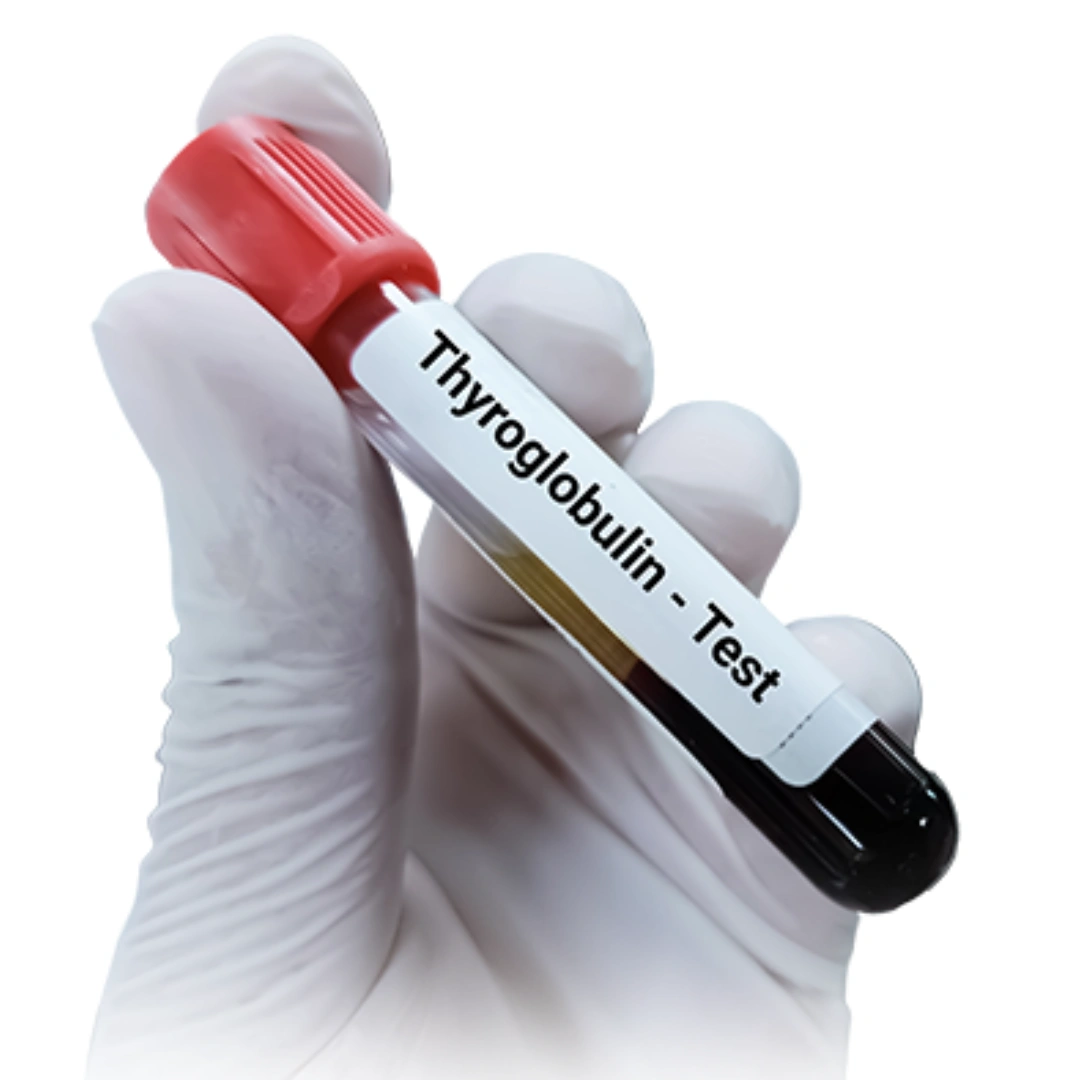
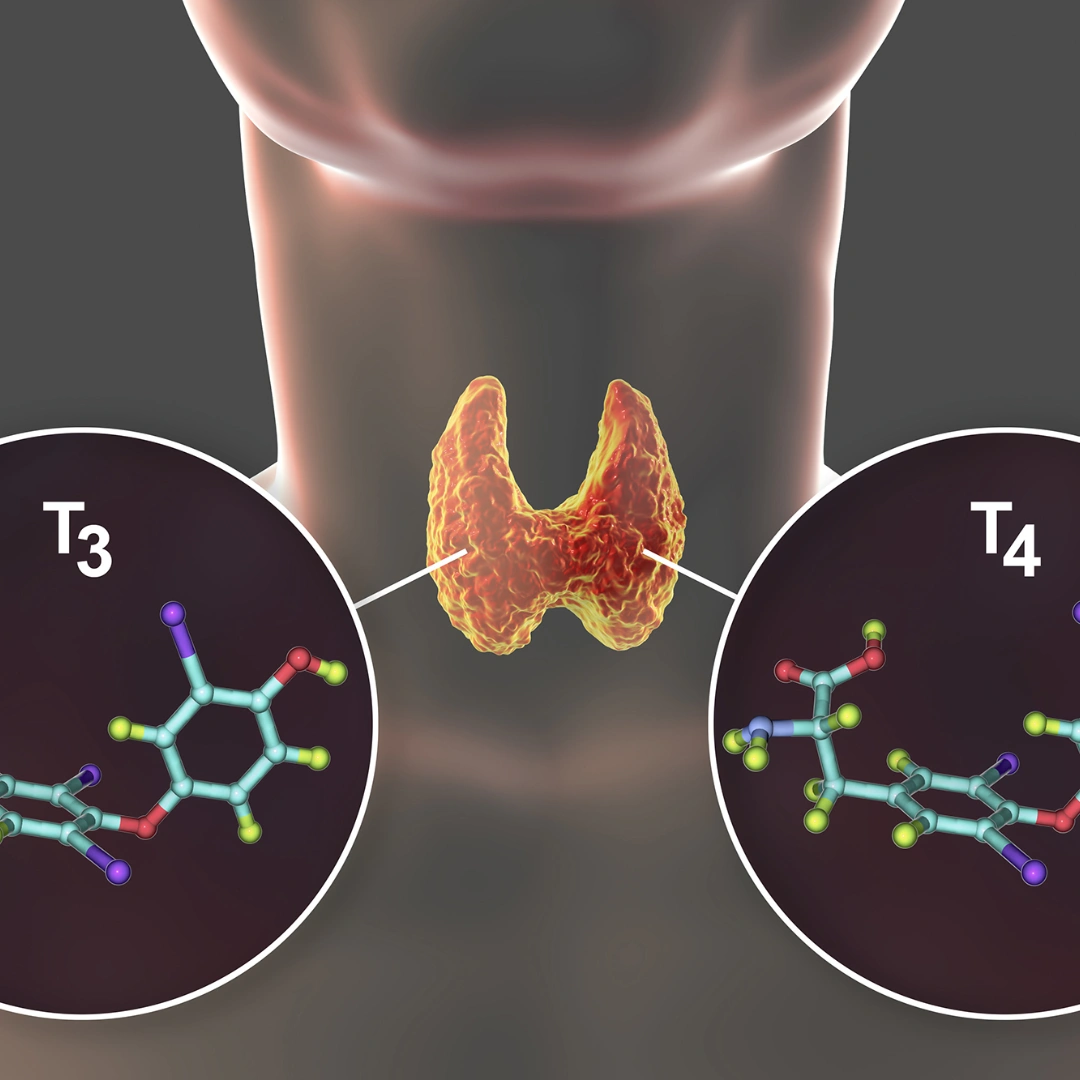
Hormonal & metabolic tests: Thyroid function tests (TSH, T3, T4, TPO antibodies), Prolactin, Blood sugar and HbA1c
Genetic testing: Optional based on clinical history
Symptoms / Situations That May Lead to the Test
Doctors may suggest the BOH panel for women with two or more consecutive miscarriages, stillbirth, unexplained infertility, pregnancy complications such as growth restriction or preterm labor, or a strong family history of autoimmune or clotting disorders.
Abnormal Results
Positive infections: TORCH, syphilis, HIV, HBV/HCV may explain pregnancy loss or fetal complications.
Positive APLA or lupus anticoagulant: Indicates antiphospholipid syndrome, a major cause of recurrent miscarriage.
Thyroid or prolactin abnormalities: Can impair fertility and pregnancy success.
Genetic/chromosomal issues: May require genetic counseling and further evaluation.
Risks
The BOH panel is a simple blood test with minimal risks. Possible side effects include mild pain, bruising, or bleeding at the puncture site. Rarely, dizziness or infection may occur.


Reviews
There are no reviews yet.