Thyroid Profile, Free (FT3, FT4, TSH – Ultrasensitive)
What it is
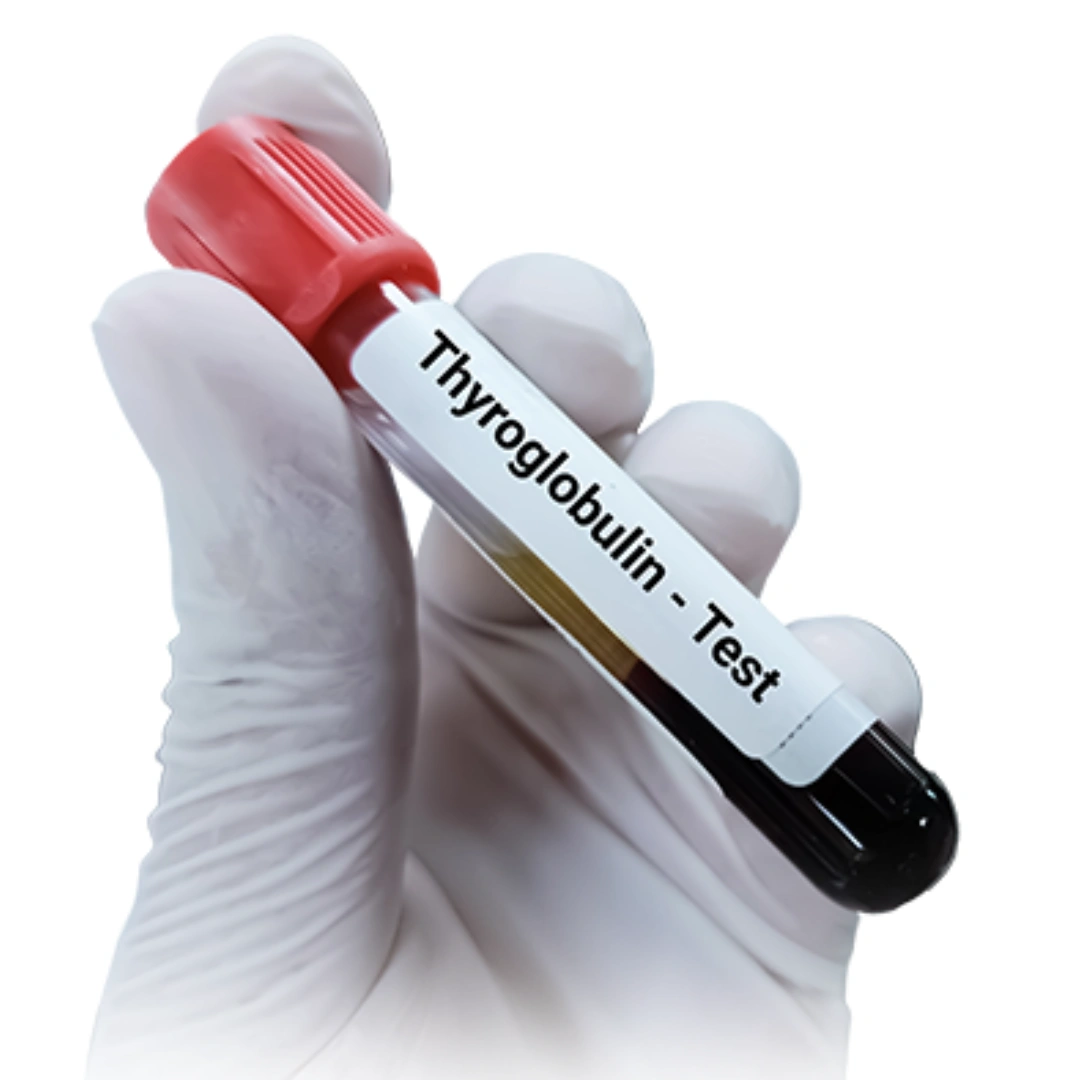
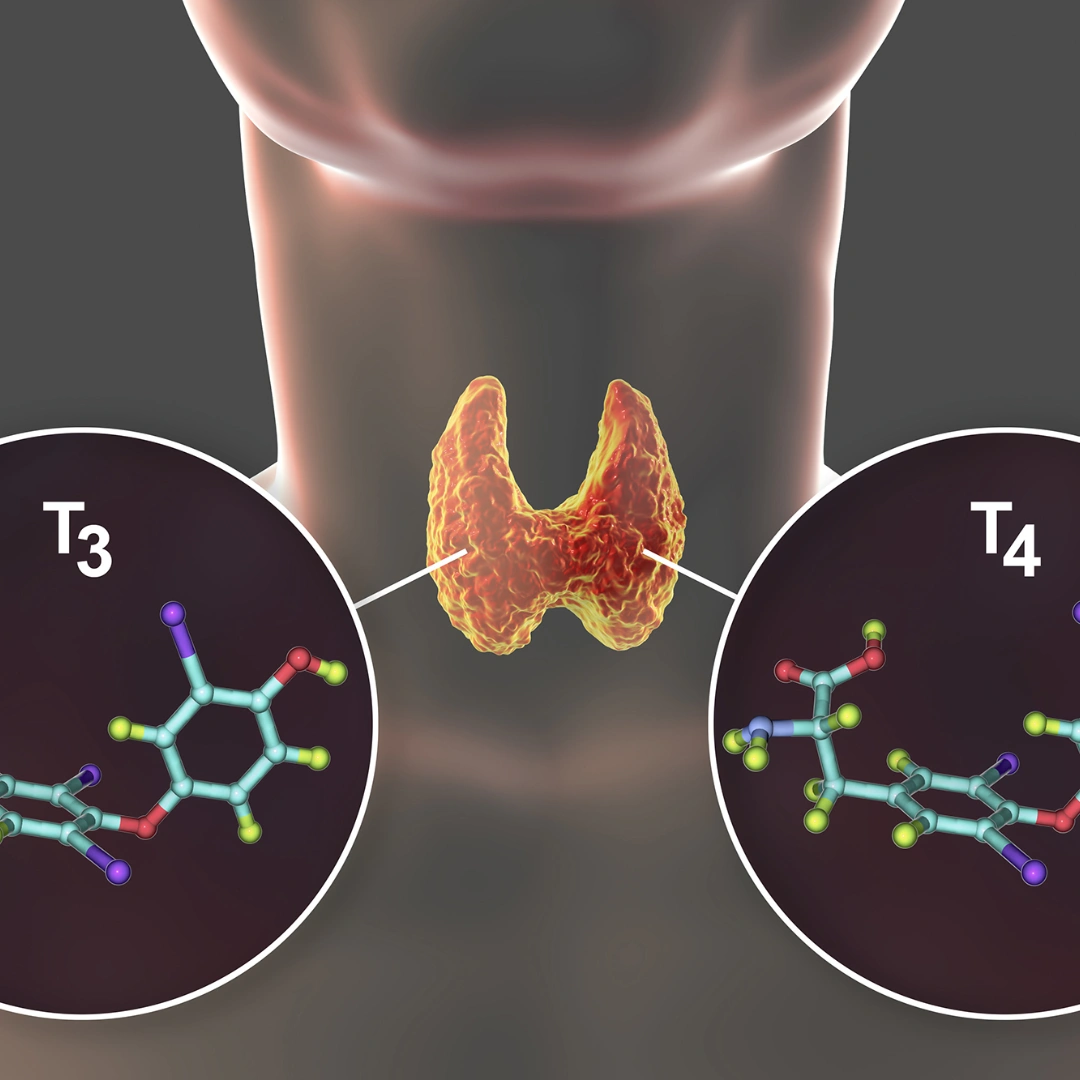
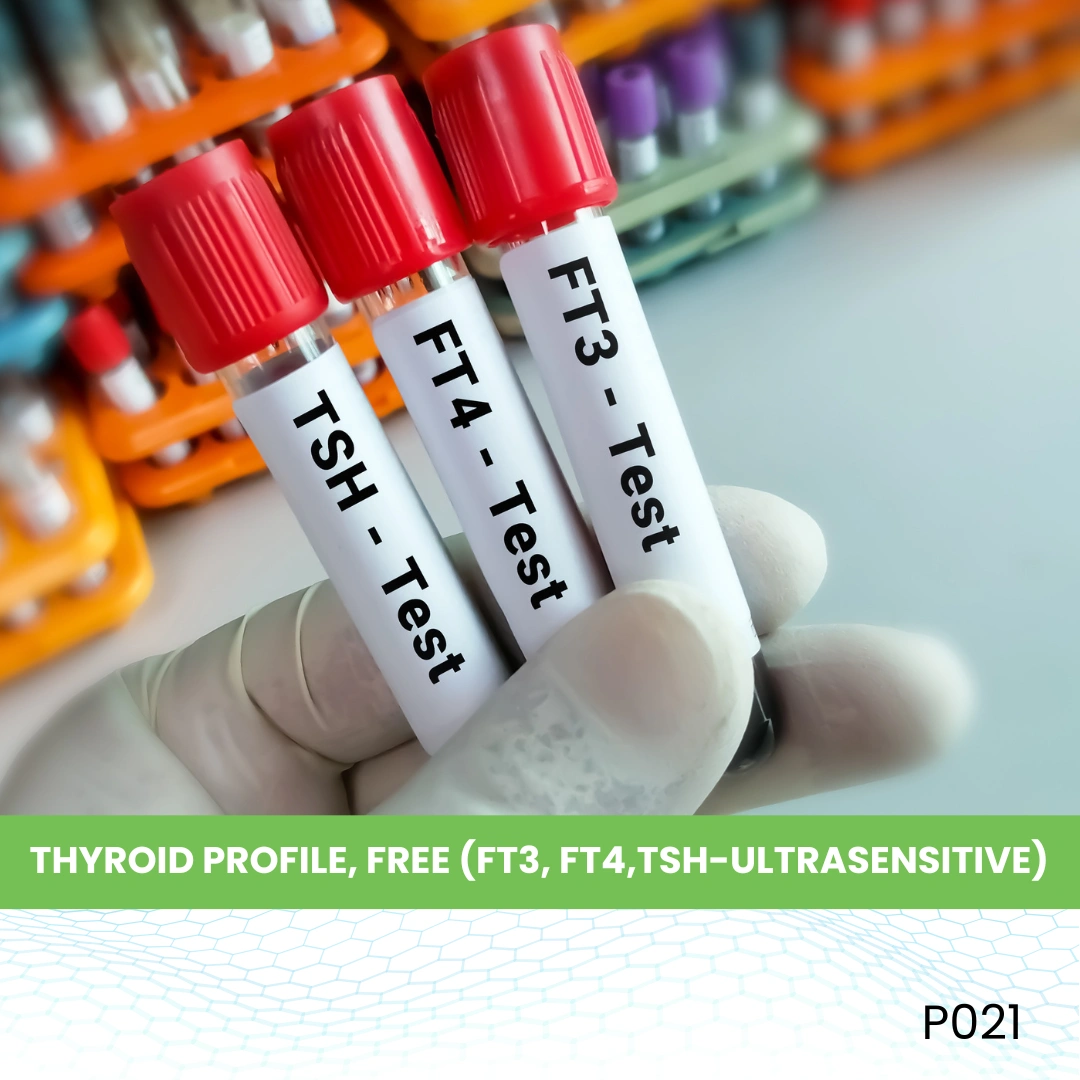
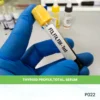
The Thyroid Profile, Free test measures the levels of Free Triiodothyronine (FT3), Free Thyroxine (FT4), and Thyroid Stimulating Hormone (TSH – Ultrasensitive) in the blood. Unlike total hormone tests, this profile assesses the unbound or “free” hormones that are biologically active and directly available for body functions. It is one of the most accurate test panels to evaluate thyroid gland performance.
Uses
This profile helps diagnose and monitor thyroid disorders including hypothyroidism (underactive thyroid) and hyperthyroidism (overactive thyroid). The ultrasensitive TSH assay allows detection of even mild thyroid dysfunction. It is also useful in monitoring patients on thyroid replacement therapy or anti-thyroid medications and in assessing unexplained symptoms related to metabolism and energy balance.
Symptoms That May Lead to the Test
Doctors may recommend this test if you experience symptoms of thyroid imbalance. For hypothyroidism: fatigue, weight gain, dry skin, constipation, hair loss, and intolerance to cold. For hyperthyroidism: weight loss, heat intolerance, rapid heartbeat, tremors, anxiety, sweating, or restlessness.
Abnormal Results
High FT3 and FT4, Low TSH: Suggests hyperthyroidism (overactive thyroid), commonly seen in Graves’ disease, thyroid nodules, or thyroiditis.
Low FT3 and FT4, High TSH: Indicates hypothyroidism (underactive thyroid), which may be caused by Hashimoto’s thyroiditis, iodine deficiency, or thyroid surgery.
Normal Ranges: Reference values may vary by laboratory, but generally: FT3 (2.0–4.4 pg/mL), FT4 (0.8–2.0 ng/dL), and TSH (0.4–4.0 mIU/L with ultrasensitive assay).
Risks
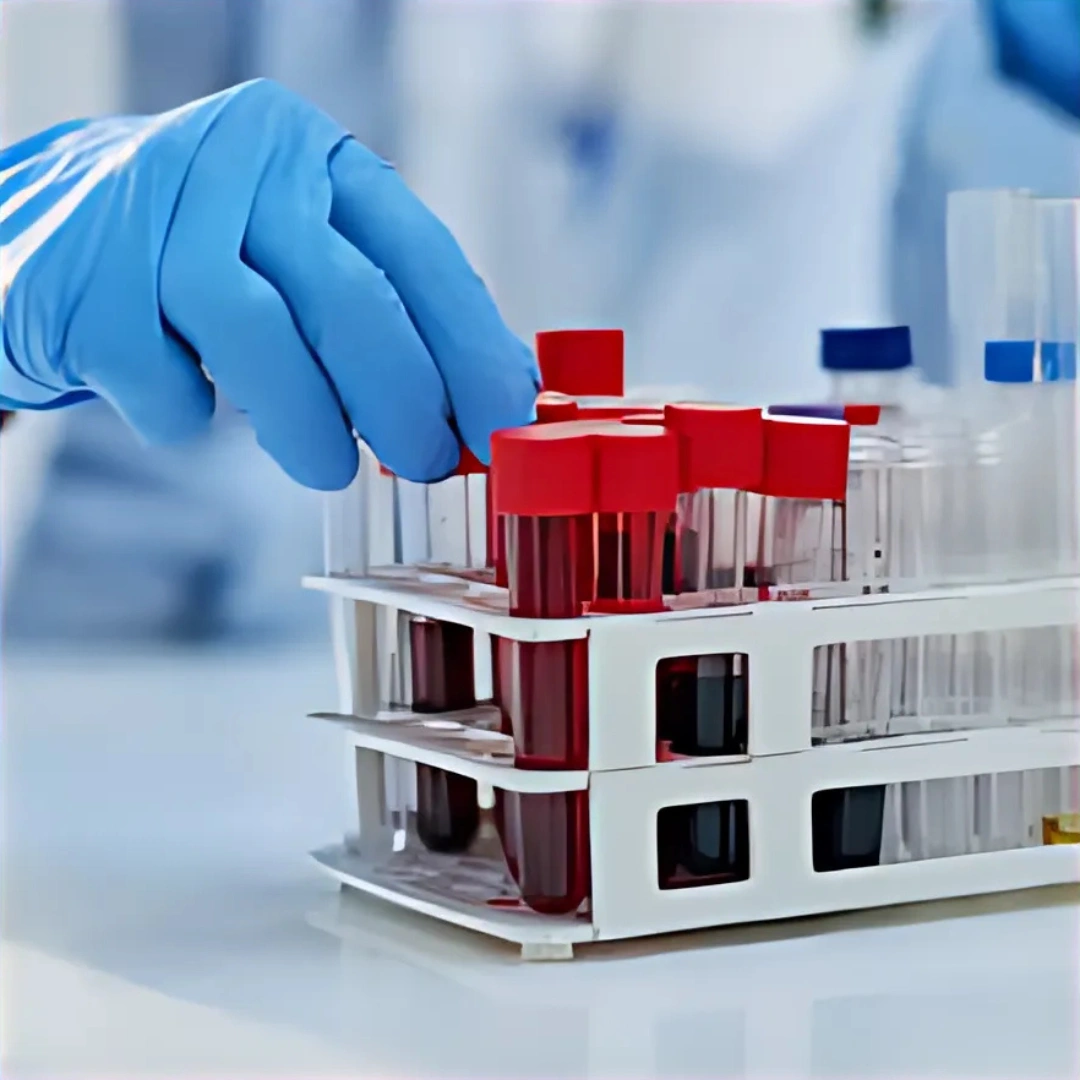
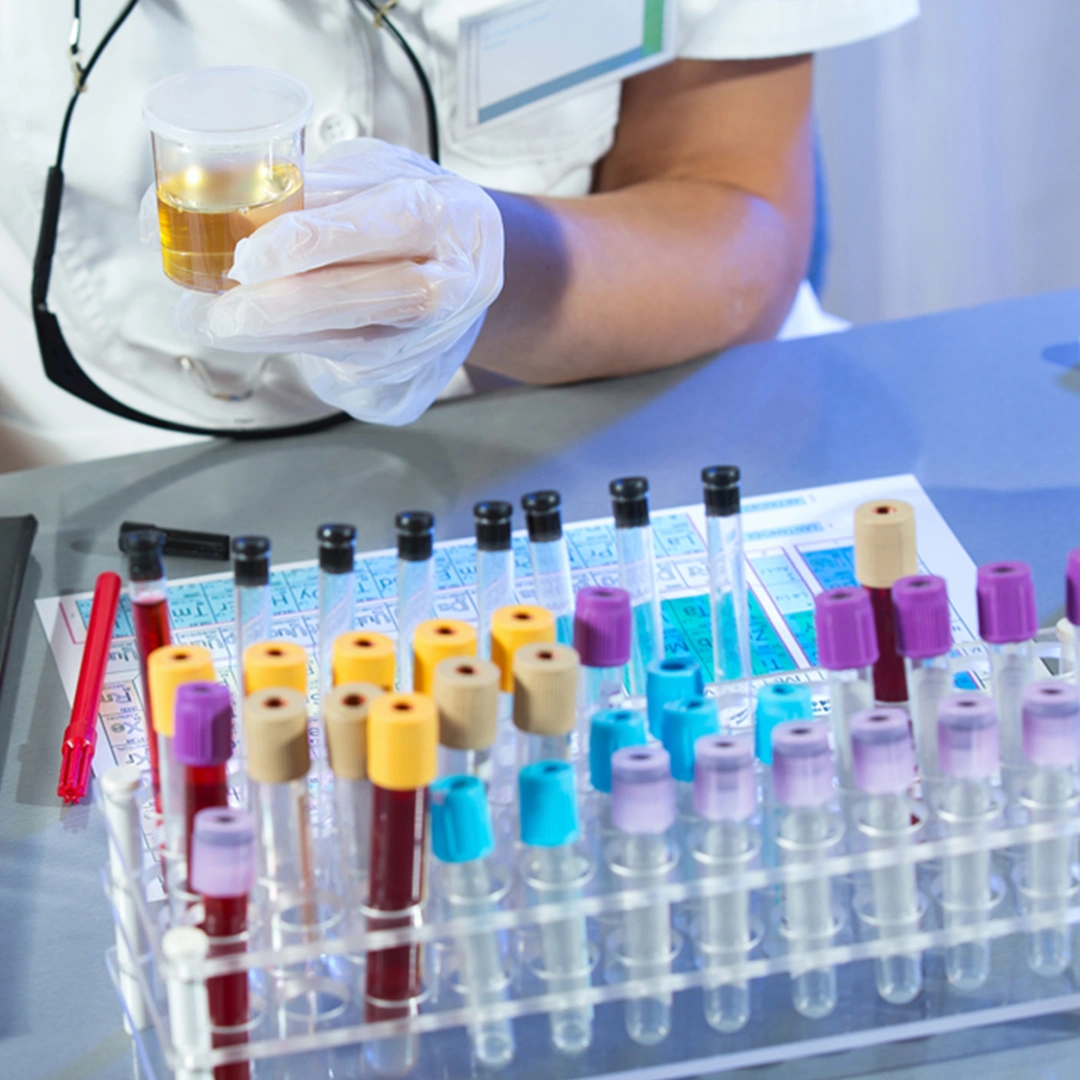
The test requires a blood sample. Risks are minimal and may include mild pain, slight bruising, or temporary dizziness at the site of blood collection. There are no long-term complications.


Reviews
There are no reviews yet.