Thyroglobulin Antibody (Anti-Tg), Serum
What it is
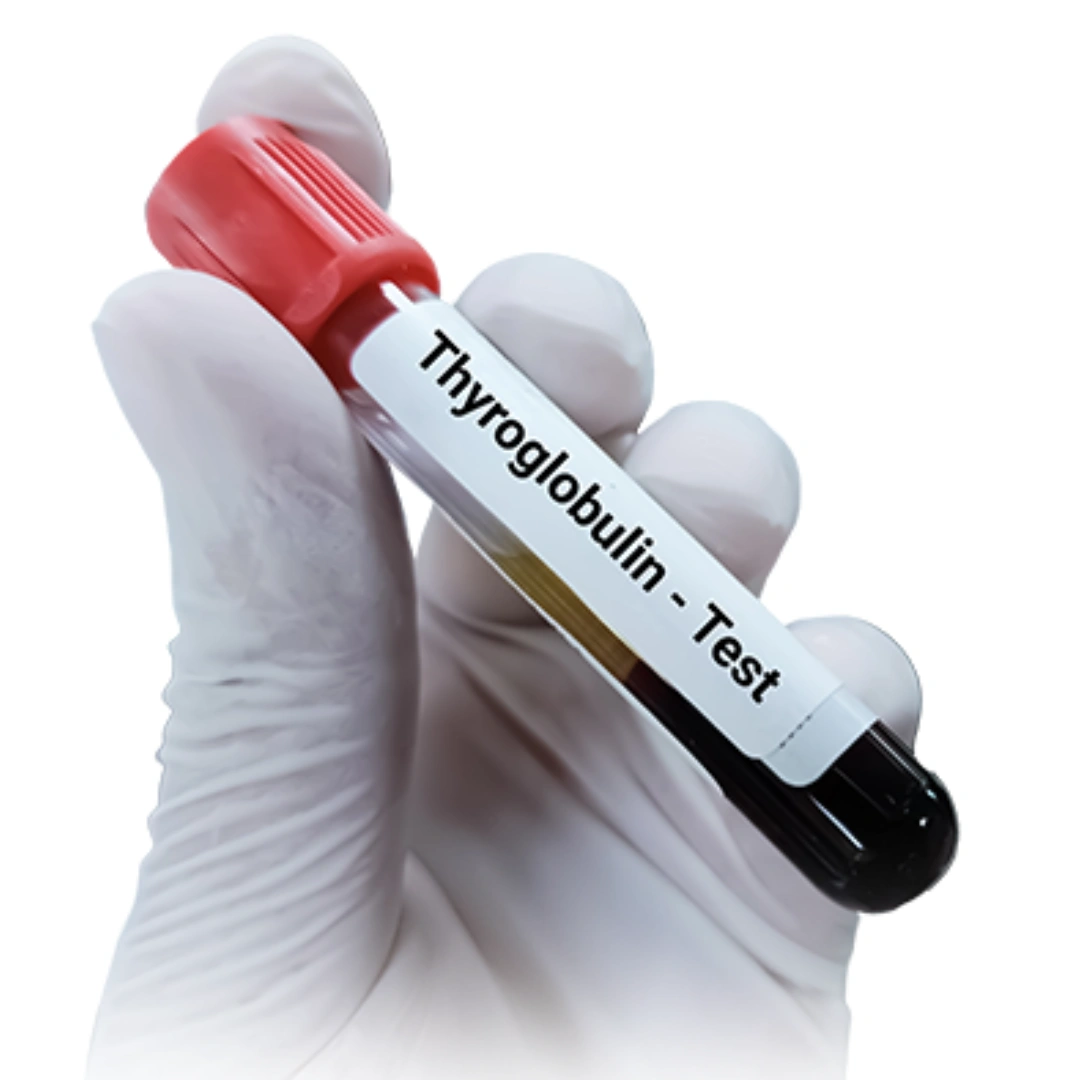
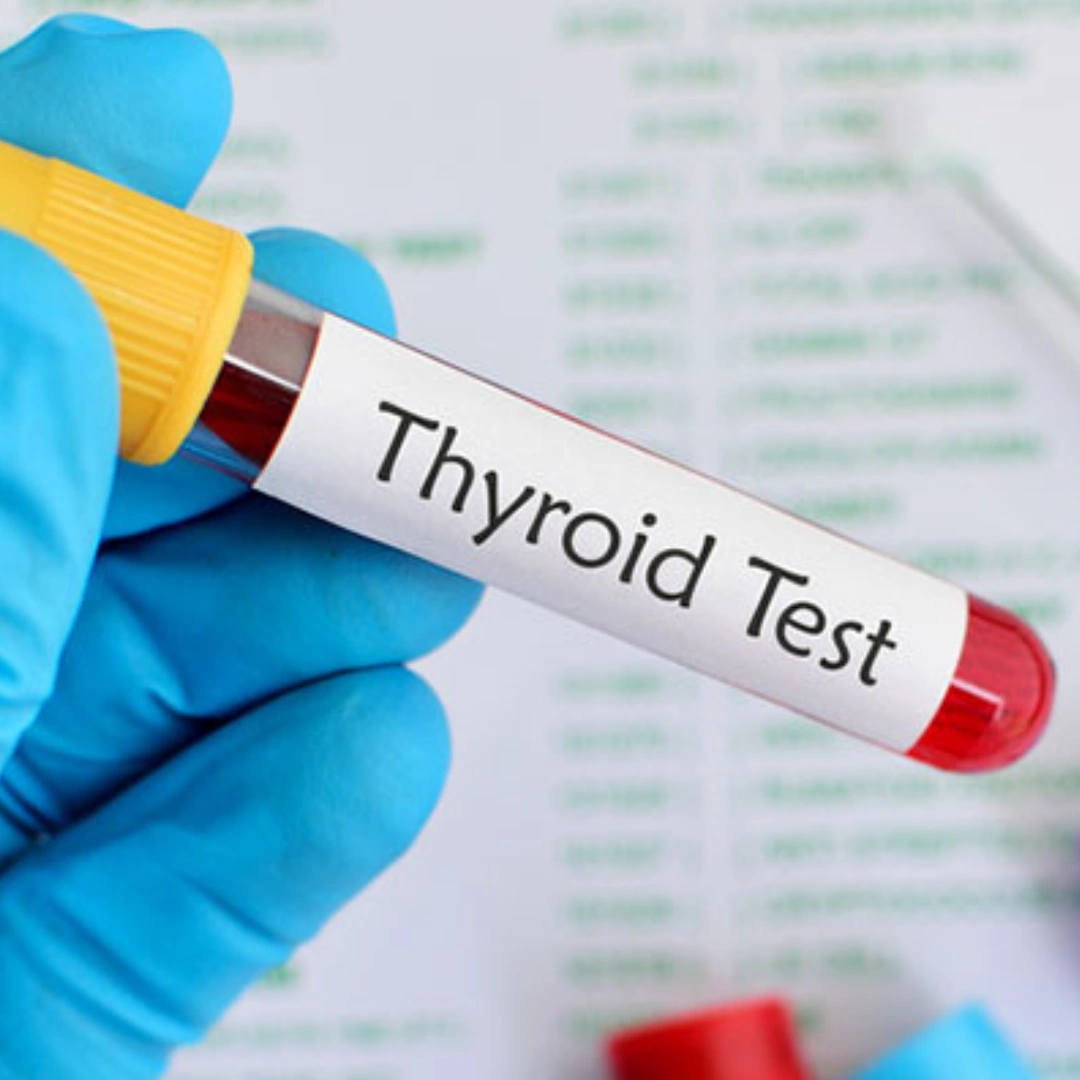
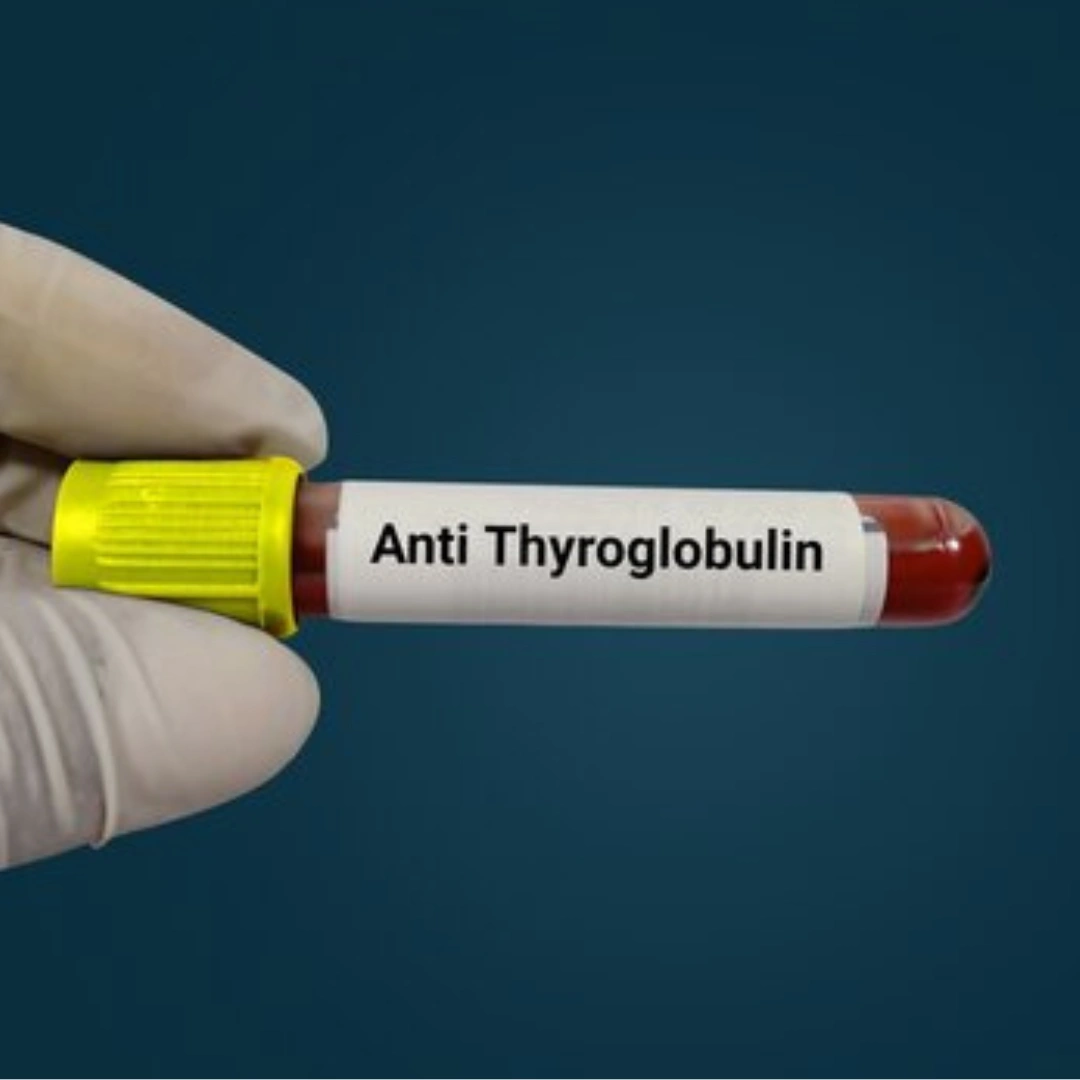
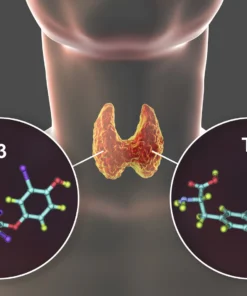
The Thyroglobulin Antibody (Anti-Tg), Serum test measures the presence of antibodies directed against thyroglobulin, a protein produced by the thyroid gland that plays a role in thyroid hormone synthesis. The presence of Anti-Tg antibodies usually indicates an autoimmune reaction against the thyroid.
Uses
This test is mainly used to diagnose and monitor autoimmune thyroid diseases such as Hashimoto’s thyroiditis and Graves’ disease. It is also used in thyroid cancer follow-up, since the presence of Anti-Tg antibodies can interfere with thyroglobulin measurement, which is an important tumor marker after thyroidectomy. It is often performed together with Anti-TPO antibodies for a complete thyroid autoimmunity profile.
Symptoms That May Lead to the Test
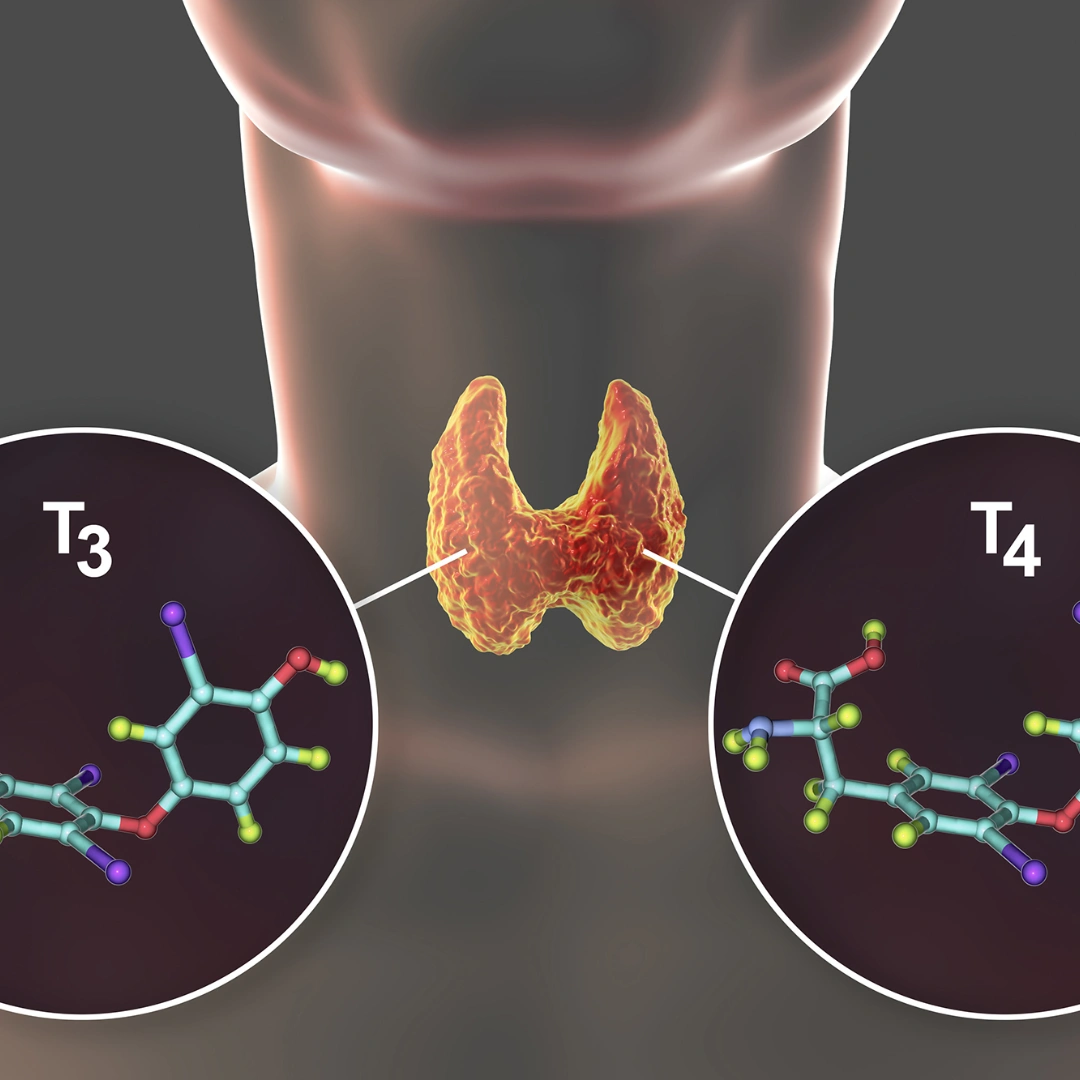
Doctors may recommend this test if you present with signs of thyroid dysfunction such as fatigue, weight gain or loss, hair thinning, dry skin, swelling in the neck (goiter), intolerance to heat or cold, irregular heartbeat, or menstrual disturbances. It may also be ordered if your thyroid function tests (TSH, T3, T4) show abnormalities or if autoimmune thyroid disease is suspected.
Abnormal Results
Positive Anti-Tg Antibodies: Suggest autoimmune thyroid disease, most commonly Hashimoto’s thyroiditis or Graves’ disease. In thyroid cancer patients, Anti-Tg positivity may interfere with thyroglobulin monitoring and requires careful interpretation.
Negative Anti-Tg Antibodies: Indicates no detectable autoimmune response against thyroglobulin, though other thyroid antibodies (such as Anti-TPO or TSH receptor antibodies) may still be present.
Risks
The test requires a simple blood draw, which carries minimal risks such as slight pain, mild bruising, or dizziness. These effects are temporary and rarely serious.


Reviews
There are no reviews yet.