Interleukin-6 (IL-6)
What it is
The Interleukin-6 (IL-6) test measures the level of IL-6, a cytokine (cell-signaling protein) involved in immune system regulation, inflammation, and response to infections or injuries. IL-6 plays a dual role, contributing to normal immune defense but also driving excessive inflammation in chronic diseases or severe infections. Elevated IL-6 levels are often associated with autoimmune conditions, sepsis, or inflammatory disorders.
Uses
This test is used to evaluate the severity of inflammation, monitor autoimmune diseases, assess risk in cardiovascular disease, and help in the management of infections or sepsis. IL-6 testing has also gained importance in assessing the inflammatory response in conditions such as COVID-19 and cytokine release syndrome.
Symptoms That May Lead to the Test
Doctors may recommend this test if you have symptoms of severe or persistent inflammation such as unexplained fever, fatigue, weight loss, joint pain, muscle weakness, swelling, or signs of systemic infection. It may also be ordered in patients with autoimmune disorders or suspected cytokine storm.
Abnormal Results
High IL-6 Levels: May indicate acute or chronic inflammation, autoimmune diseases (like rheumatoid arthritis or lupus), sepsis, certain cancers, or severe viral infections. Persistently elevated IL-6 is linked to poor outcomes in systemic illnesses.
Low or Normal IL-6 Levels: Suggest no significant ongoing inflammation. However, results should always be interpreted alongside other inflammatory markers such as CRP or ESR.
Risks
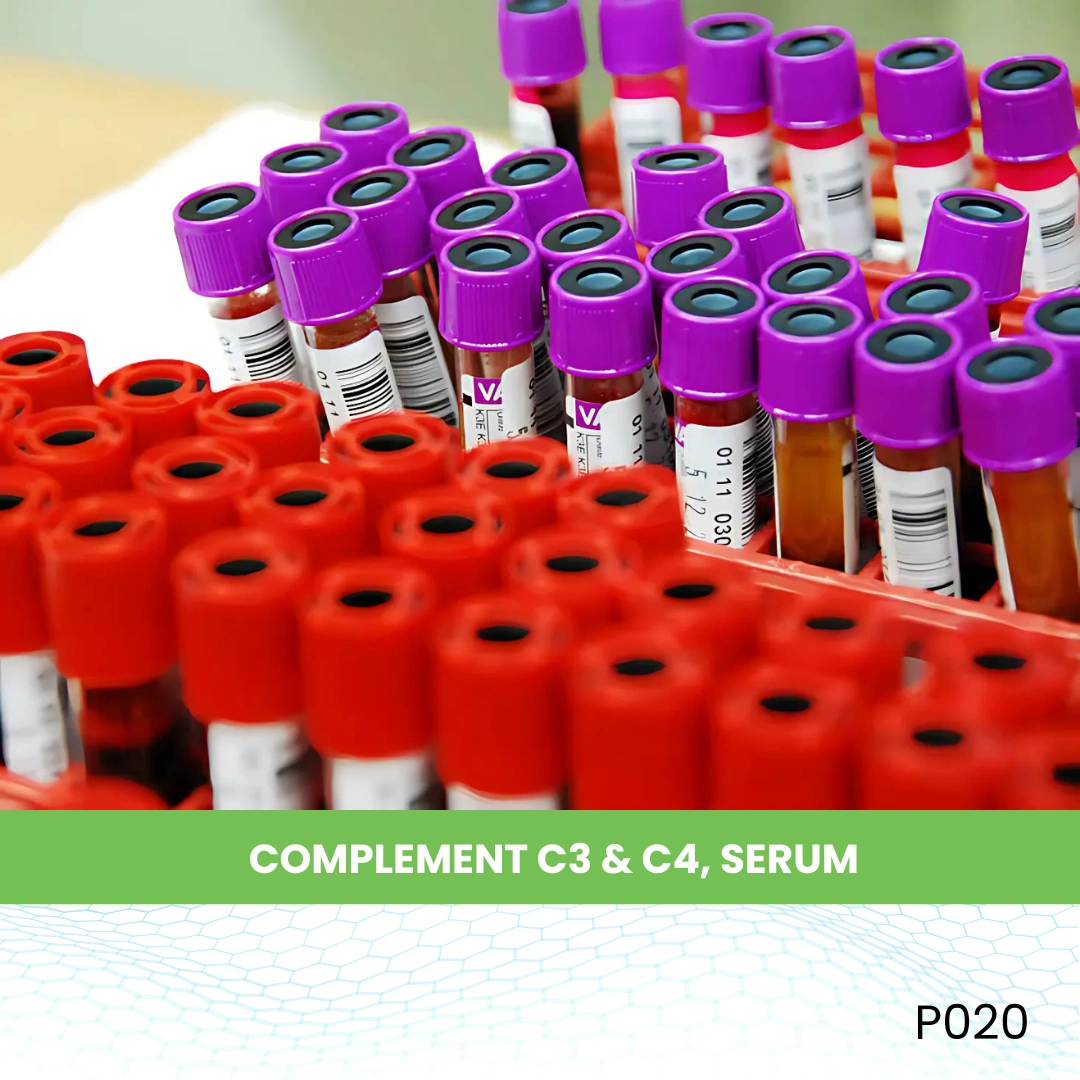
The test requires a standard blood draw, which carries minimal risks such as slight pain, bruising, or lightheadedness. Serious complications are very rare.


Reviews
There are no reviews yet.