Chromosome Breakage Study (Fanconi Anemia)
What it is
The Chromosome Breakage Study is a specialized cytogenetic test used to diagnose Fanconi Anemia (FA), a rare inherited genetic disorder that affects bone marrow function and increases the risk of cancers. In this test, blood cells are exposed to DNA-damaging agents (such as diepoxybutane [DEB] or mitomycin C [MMC]) to observe their sensitivity. Patients with FA typically show increased chromosome breakage and rearrangements compared to healthy individuals.
Uses
This test is the gold standard for diagnosing Fanconi Anemia. It helps differentiate FA from other inherited or acquired bone marrow failure syndromes. It may also be used in family studies, genetic counseling, and prenatal or pre-transplant evaluations to confirm or rule out FA.
Symptoms That May Lead to the Test
Doctors may recommend this test if you or your child present with symptoms such as bone marrow failure (low blood counts), frequent infections, unexplained bruising or bleeding, birth defects (short stature, abnormal thumbs, skin pigmentation changes), developmental delays, or a strong family history of Fanconi Anemia or related disorders.
Abnormal Results
Positive Chromosome Breakage: Indicates increased sensitivity of chromosomes to DNA-damaging agents, strongly suggestive of Fanconi Anemia. Genetic testing may follow to confirm the specific gene mutation.
Negative Chromosome Breakage: Suggests no evidence of Fanconi Anemia. However, borderline results may require repeat testing, alternative assays, or molecular studies for confirmation.
Risks
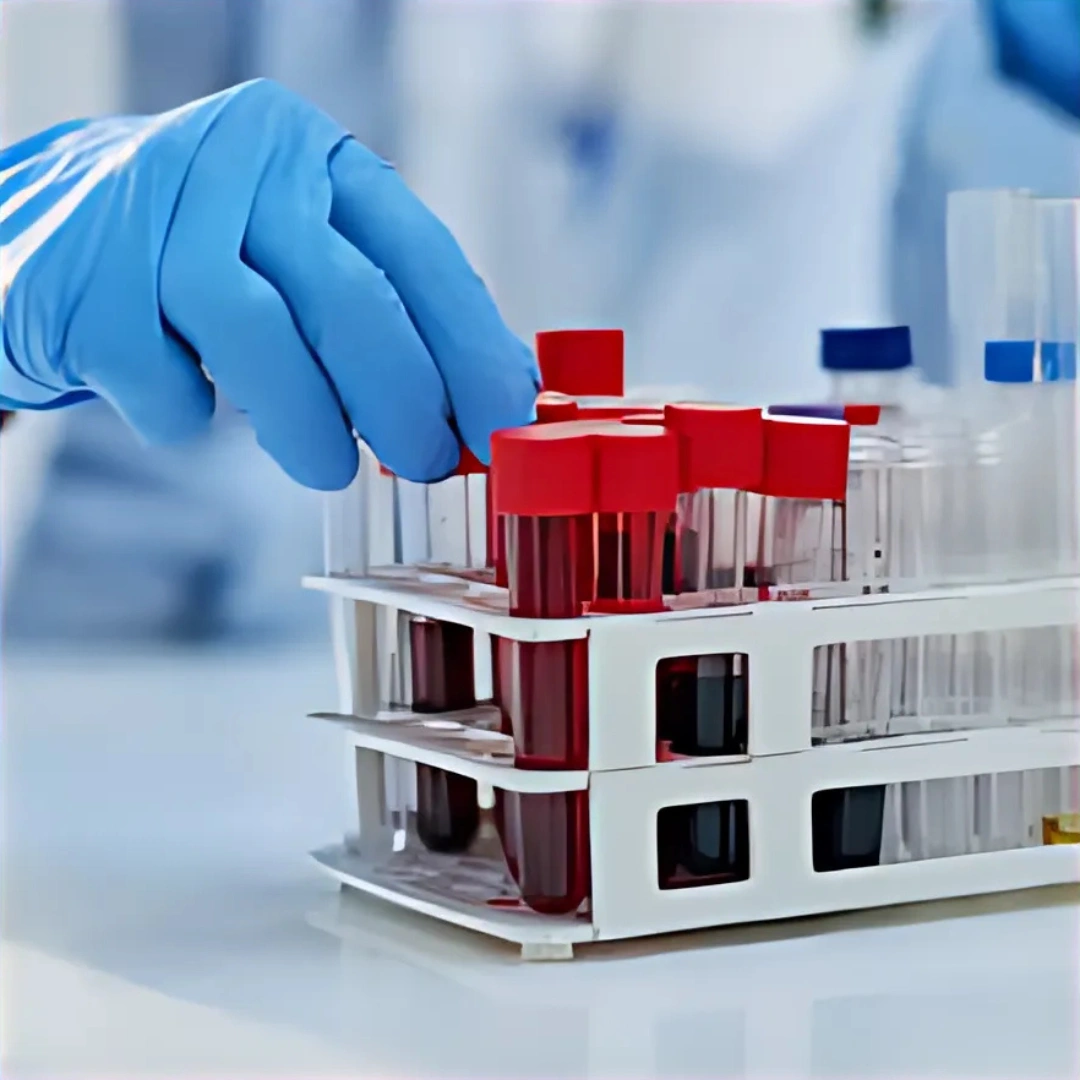
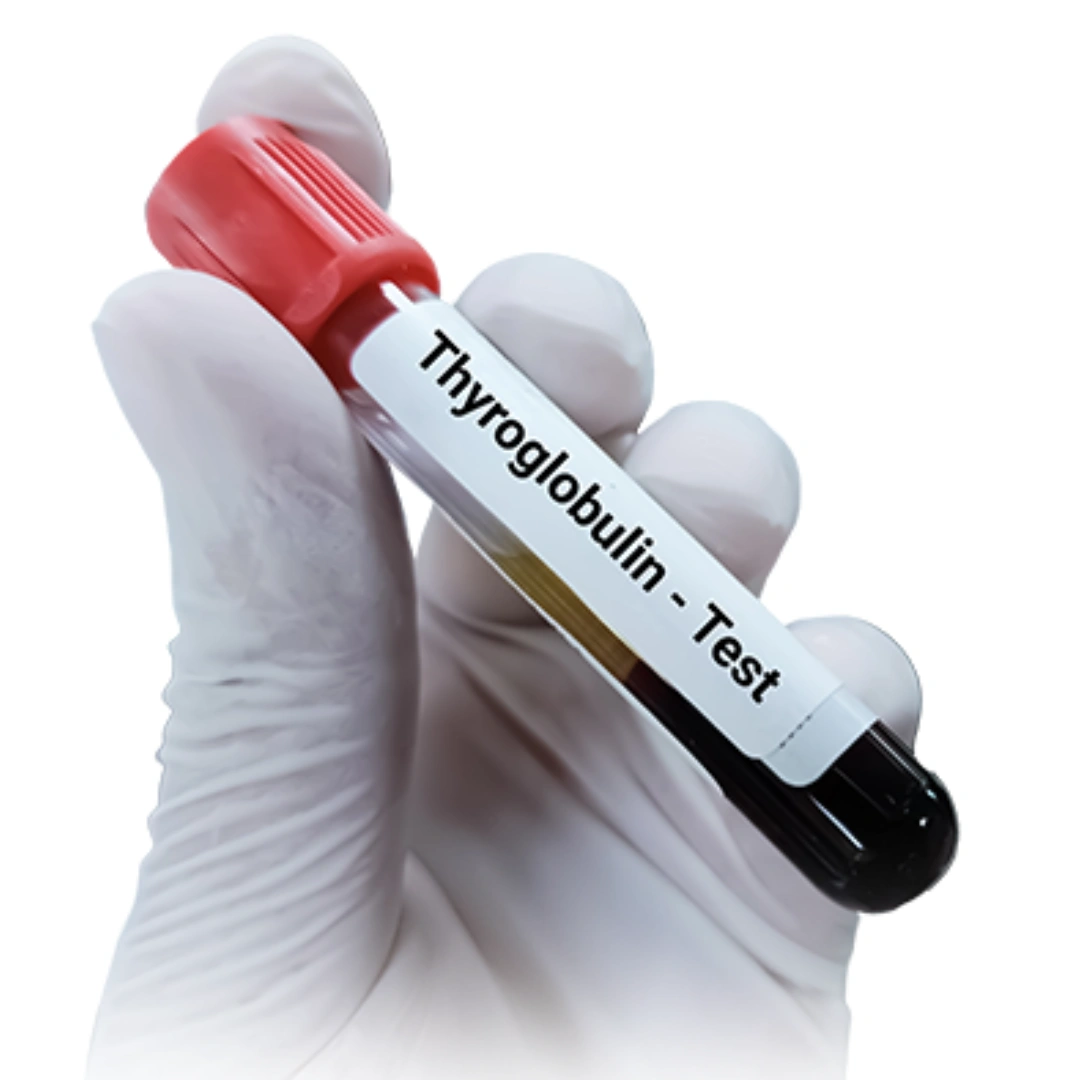
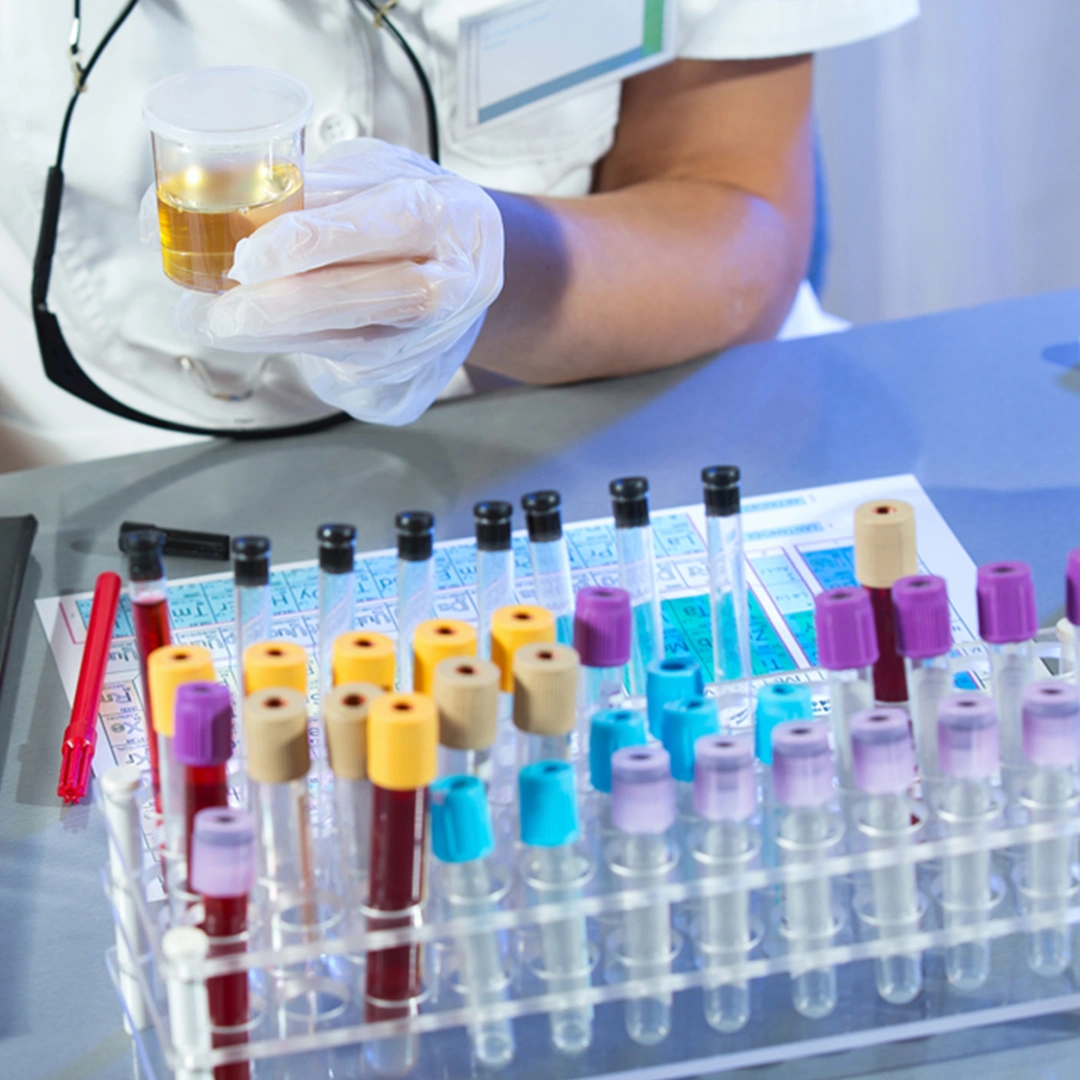
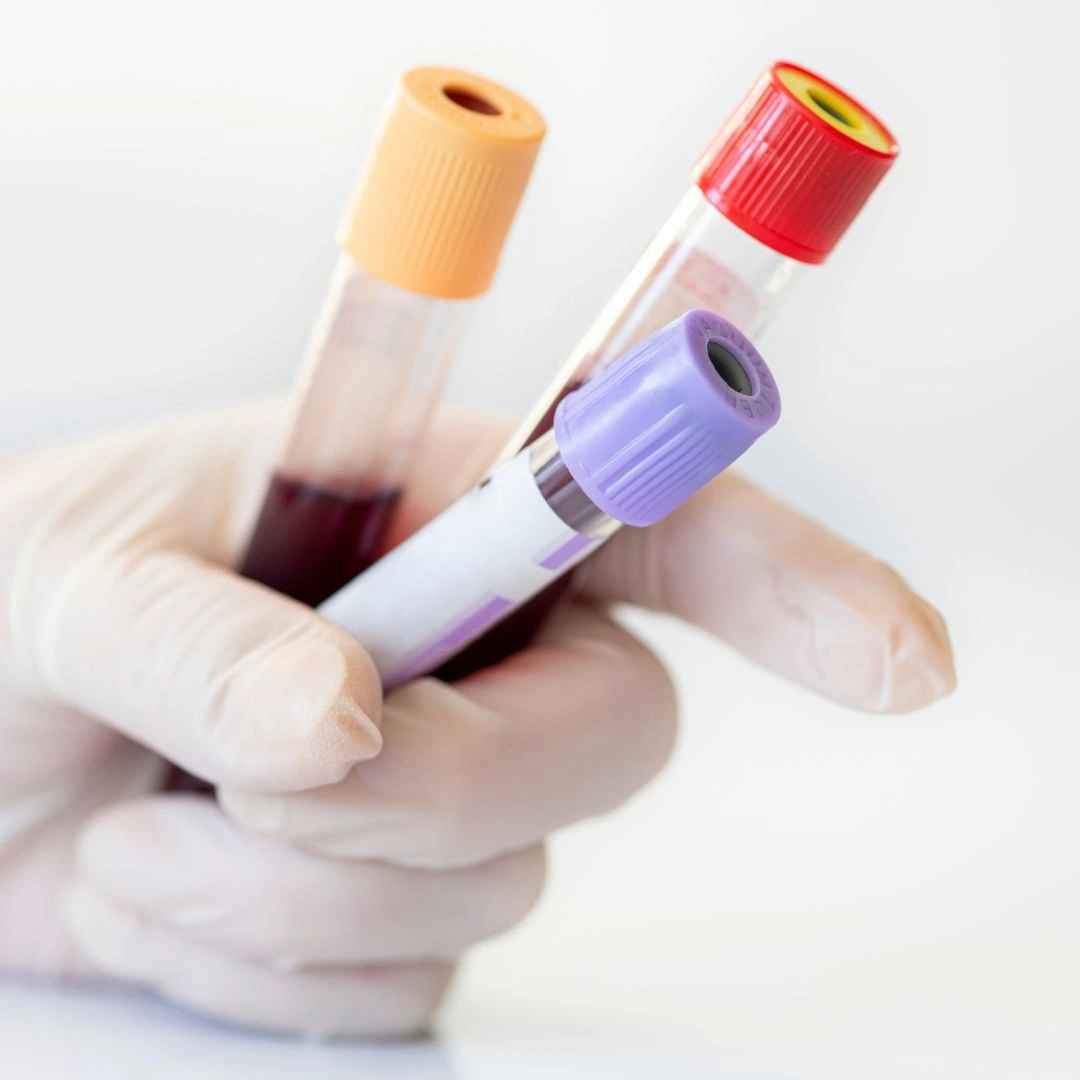
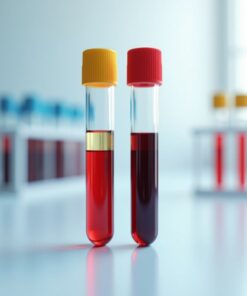
The test requires a standard blood draw, with minimal risks such as slight bruising, mild pain, or dizziness at the puncture site. The laboratory cell culture process itself carries no additional risk to the patient. Genetic counseling is often recommended alongside the test due to its implications for family planning and long-term management.


Reviews
There are no reviews yet.