Pericardial Fluid, Routine Examination
What it is
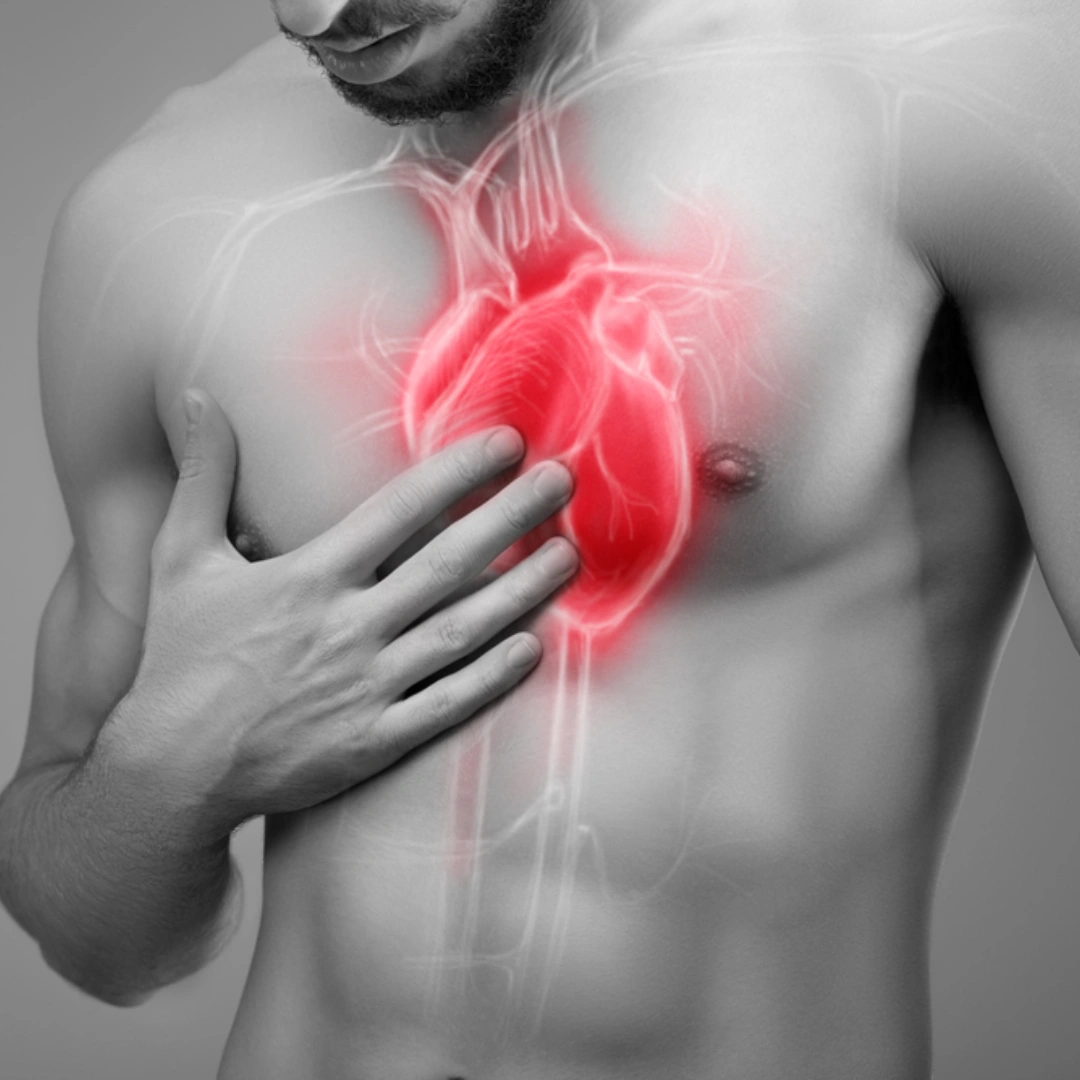
The Pericardial Fluid Routine Examination analyzes fluid collected from the pericardial sac, the thin membrane surrounding the heart. Normally, only a small amount of fluid is present, but conditions such as infections, inflammation, injury, or cancer may cause excess fluid accumulation (pericardial effusion). This test helps determine the nature and possible cause of the fluid buildup.
Uses
This test is used to evaluate the cause of pericardial effusion and to distinguish between transudative (fluid due to systemic conditions like heart failure or kidney disease) and exudative (fluid due to infections, malignancy, or autoimmune disorders) types. It may include chemical analysis, cell counts, cytology, and microbiological cultures to provide detailed diagnostic information.
Symptoms That May Lead to the Test
Doctors may recommend this test if you experience chest pain, shortness of breath, rapid heartbeat, persistent cough, swelling in the legs or abdomen, or unexplained fatigue. It is especially indicated when imaging tests like echocardiography show fluid around the heart.
Abnormal Results
Transudative Fluid: Typically associated with systemic conditions such as heart failure, cirrhosis, or nephrotic syndrome. Fluid is usually clear and low in protein.
Exudative Fluid: Suggests local causes like tuberculosis, bacterial or viral infections, autoimmune diseases, trauma, or cancer. Fluid may be cloudy, bloody, or contain abnormal cells.
Further interpretation often requires correlation with culture, cytology, and clinical findings.
Risks
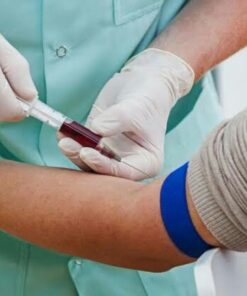
The test requires pericardiocentesis (removal of fluid from the pericardial sac using a needle), which is an invasive procedure. Risks include pain, infection, bleeding, arrhythmias, puncture of nearby structures (such as lungs or liver), and in rare cases, cardiac tamponade. However, when performed by experienced specialists, it is generally safe and lifesaving in cases of large effusion.


Reviews
There are no reviews yet.