Double Marker Test, Serum
What it is
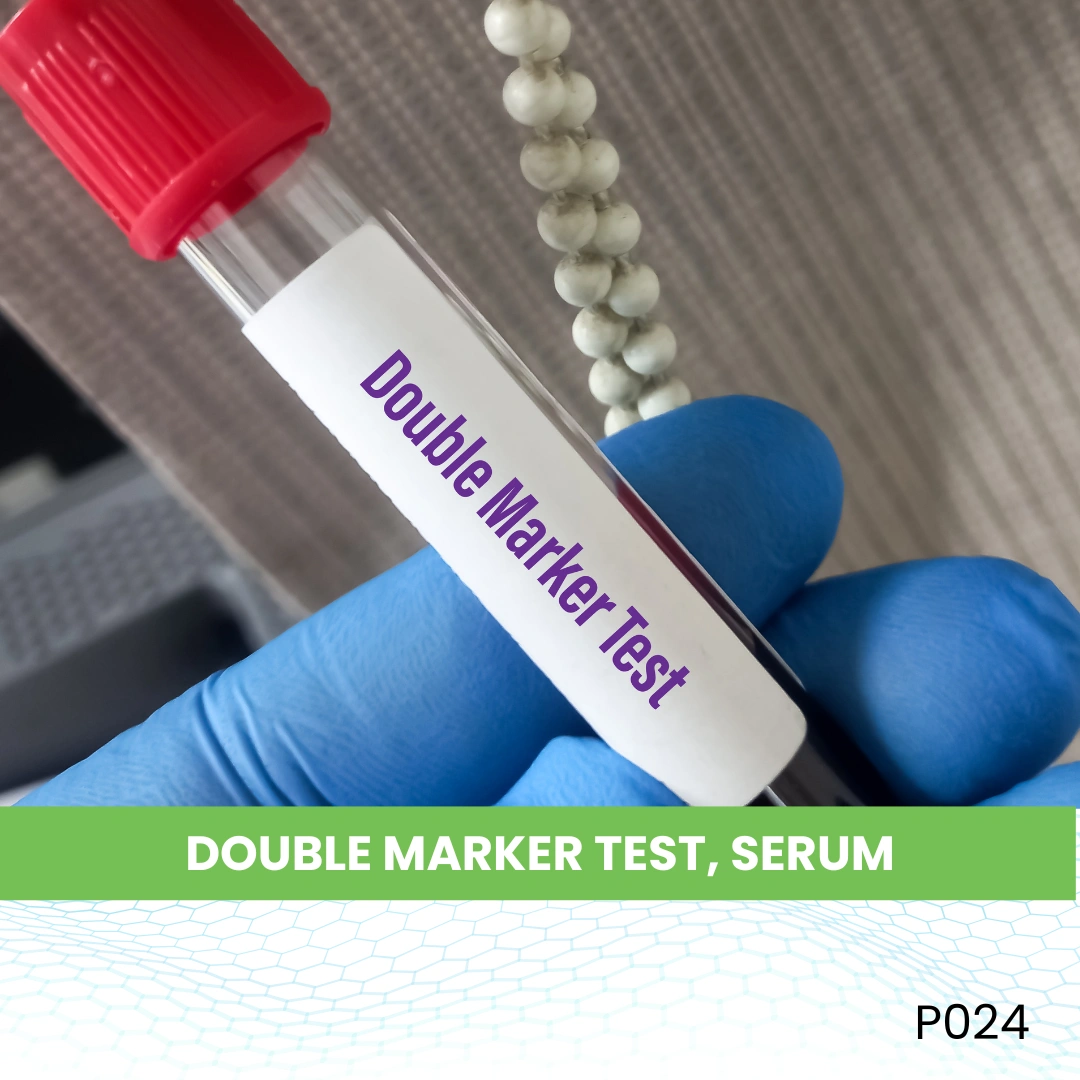
The Double Marker Test, Serum is a prenatal screening test performed during the first trimester of pregnancy. It measures levels of two key markers in the mother’s blood—Free Beta hCG (human chorionic gonadotropin) and PAPP-A (Pregnancy Associated Plasma Protein-A). These markers help assess the risk of chromosomal abnormalities in the developing fetus, such as Down syndrome (Trisomy 21) and Edwards syndrome (Trisomy 18).
Uses
This test is primarily used as part of first-trimester screening to evaluate the likelihood of chromosomal abnormalities in the baby. It is often performed along with a nuchal translucency (NT) ultrasound to improve accuracy. The Double Marker Test is not diagnostic but helps identify pregnancies that may require further testing such as Non-Invasive Prenatal Testing (NIPT), Chorionic Villus Sampling (CVS), or Amniocentesis.
Symptoms That May Lead to the Test
This test is not based on symptoms but is recommended for all pregnant women between 10–14 weeks of gestation. It is especially advised for women over 35 years of age, those with a family history of genetic disorders, or pregnancies conceived through assisted reproductive technologies (ART).
Abnormal Results
High hCG with Low PAPP-A: Suggests an increased risk of chromosomal abnormalities such as Down syndrome.
Low hCG and Low PAPP-A: May indicate risk for Edwards syndrome (Trisomy 18) or other fetal abnormalities.
Normal Results: Indicate low risk for chromosomal abnormalities, though follow-up with further screening may still be recommended.
It is important to note that this is a screening test, not a definitive diagnosis. Abnormal results only indicate risk, and confirmatory diagnostic tests are required.
Risks
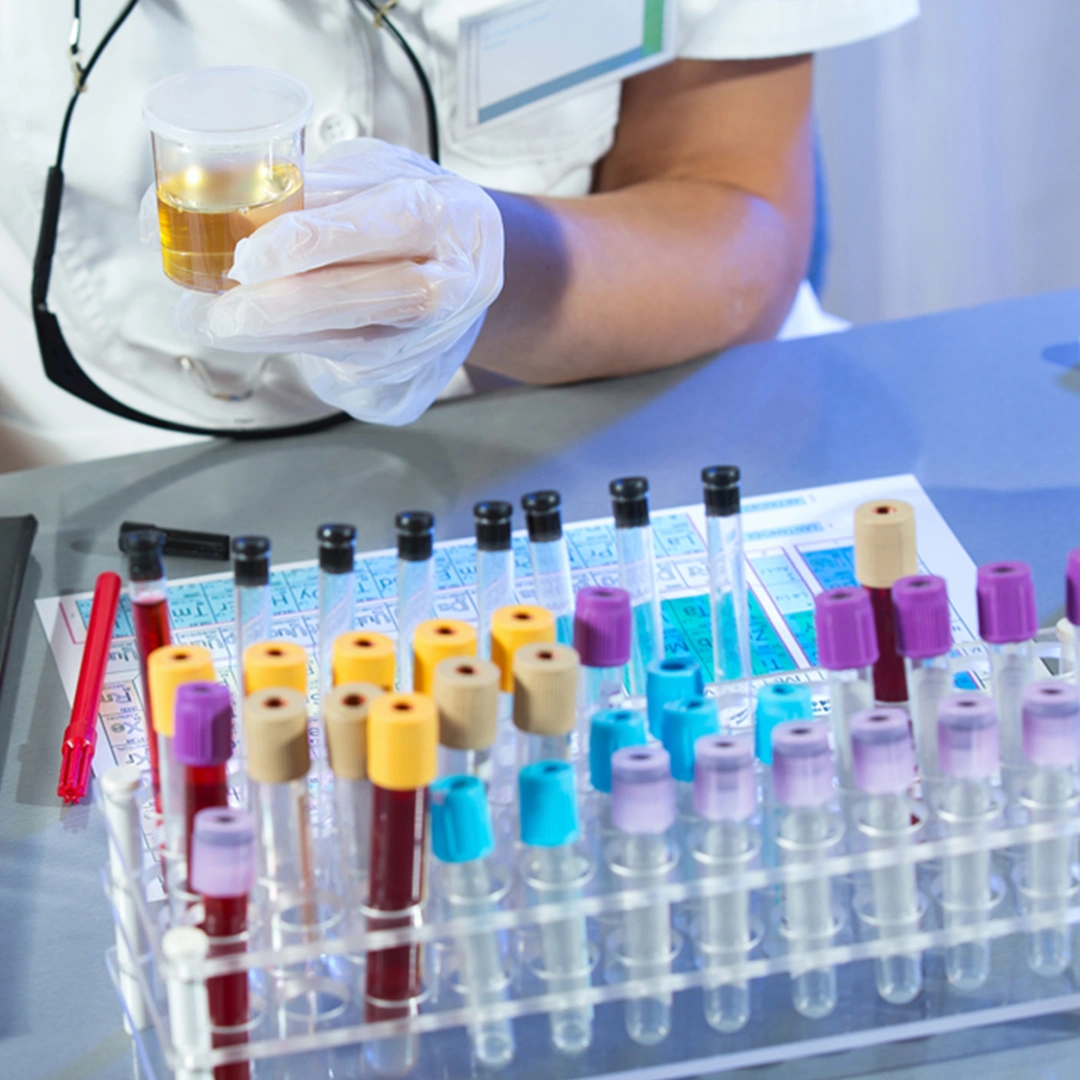
The test involves a routine maternal blood draw. Risks are minimal, limited to mild pain, bruising, or dizziness at the puncture site, which are temporary and uncommon.


Reviews
There are no reviews yet.