Prealbumin
What it is
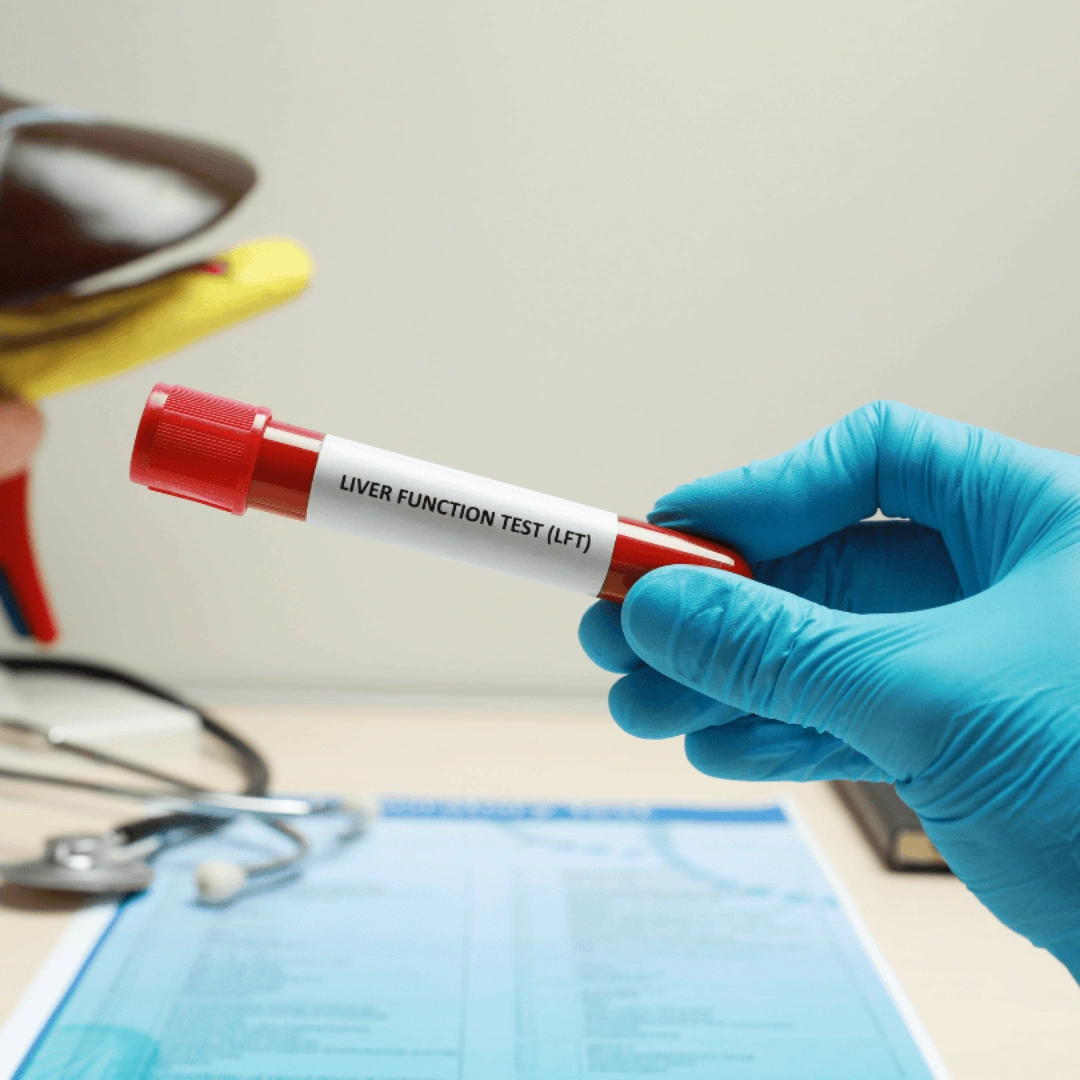
The Prealbumin test measures the level of prealbumin (also known as transthyretin) in the blood. Prealbumin is a protein made primarily by the liver, and it plays a role in carrying thyroid hormones and vitamin A. Because it has a short half-life (2–3 days), prealbumin is a sensitive marker of nutritional status and protein metabolism, often used to assess malnutrition or the effectiveness of nutritional therapy.
Uses
This test is used to:
– Assess nutritional status and detect protein-calorie malnutrition.
– Monitor response to nutritional therapy in hospitalized or critically ill patients.
– Evaluate liver function, since prealbumin is synthesized in the liver.
– Track recovery in patients receiving total parenteral nutrition (TPN).
– Help guide treatment in patients with chronic illness, surgery, or trauma who are at risk of malnutrition.
Symptoms That May Lead to the Test
Doctors may recommend a Prealbumin test if you have:
– Unexplained weight loss or muscle wasting.
– Poor appetite or prolonged illness.
– Symptoms of malnutrition such as weakness, fatigue, or swelling (edema).
– Chronic conditions like kidney disease, liver disease, or gastrointestinal disorders.
– Recovery from major surgery, burns, or severe trauma where nutrition is critical.
Abnormal Results
Low Prealbumin Levels: Suggest poor nutritional status, protein-calorie malnutrition, liver disease, inflammation, infection, or hyperthyroidism. It may also drop in conditions like chronic kidney disease and critical illness.
High Prealbumin Levels: Less common, but may be seen in patients with kidney disease (due to reduced clearance), or with corticosteroid therapy. Elevated results are generally less clinically significant compared to low levels.
Risks
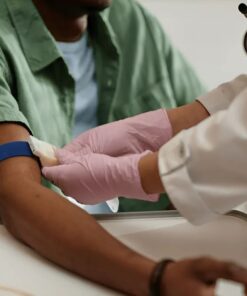
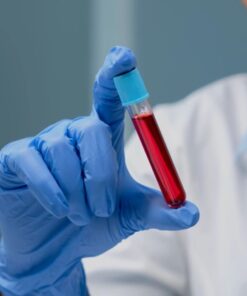
The test requires a routine blood sample. Risks are minimal, including mild pain, bruising, or dizziness at the puncture site. The laboratory analysis itself has no associated risks.


Reviews
There are no reviews yet.