PSA Free (Prostate Specific Antigen), Serum
What it is
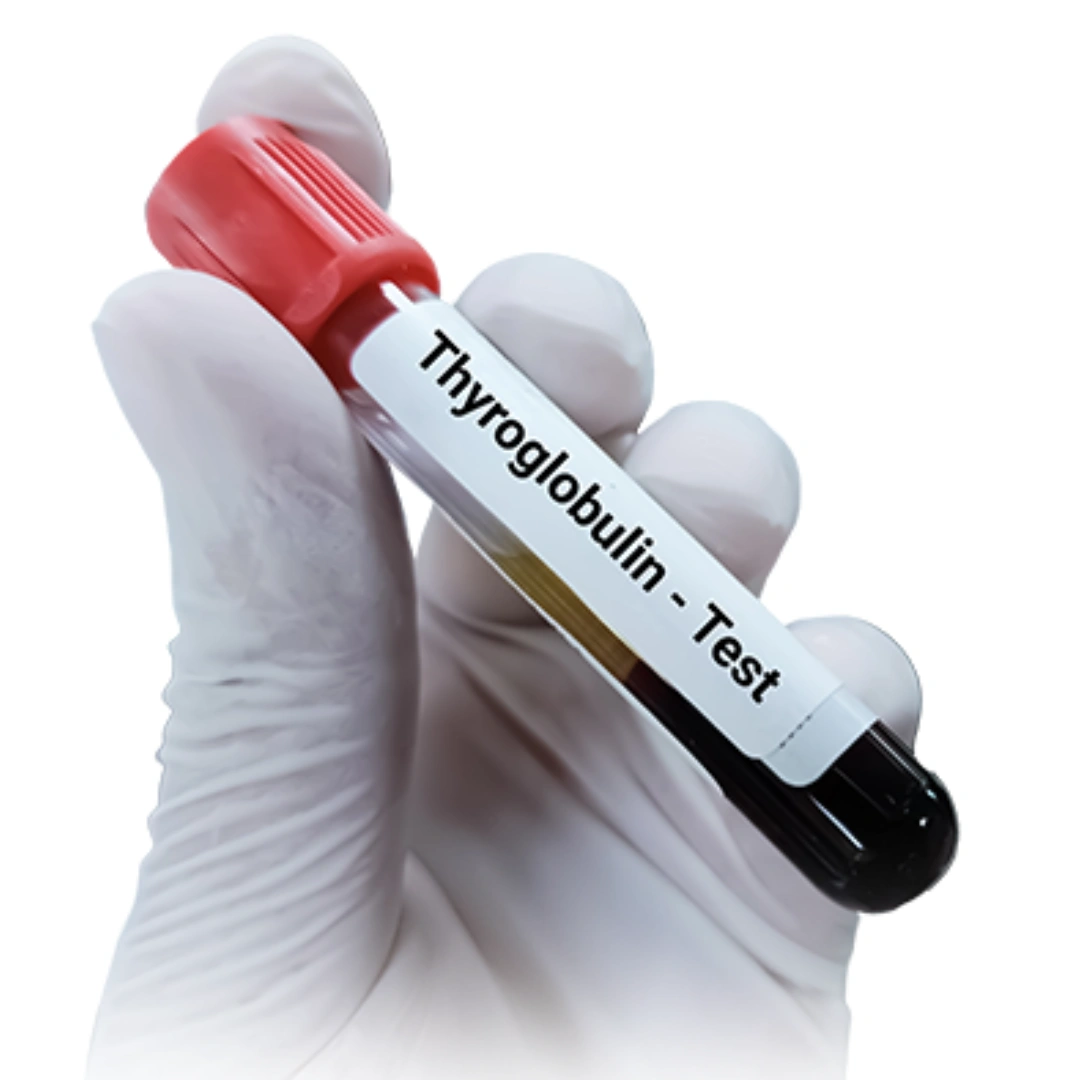
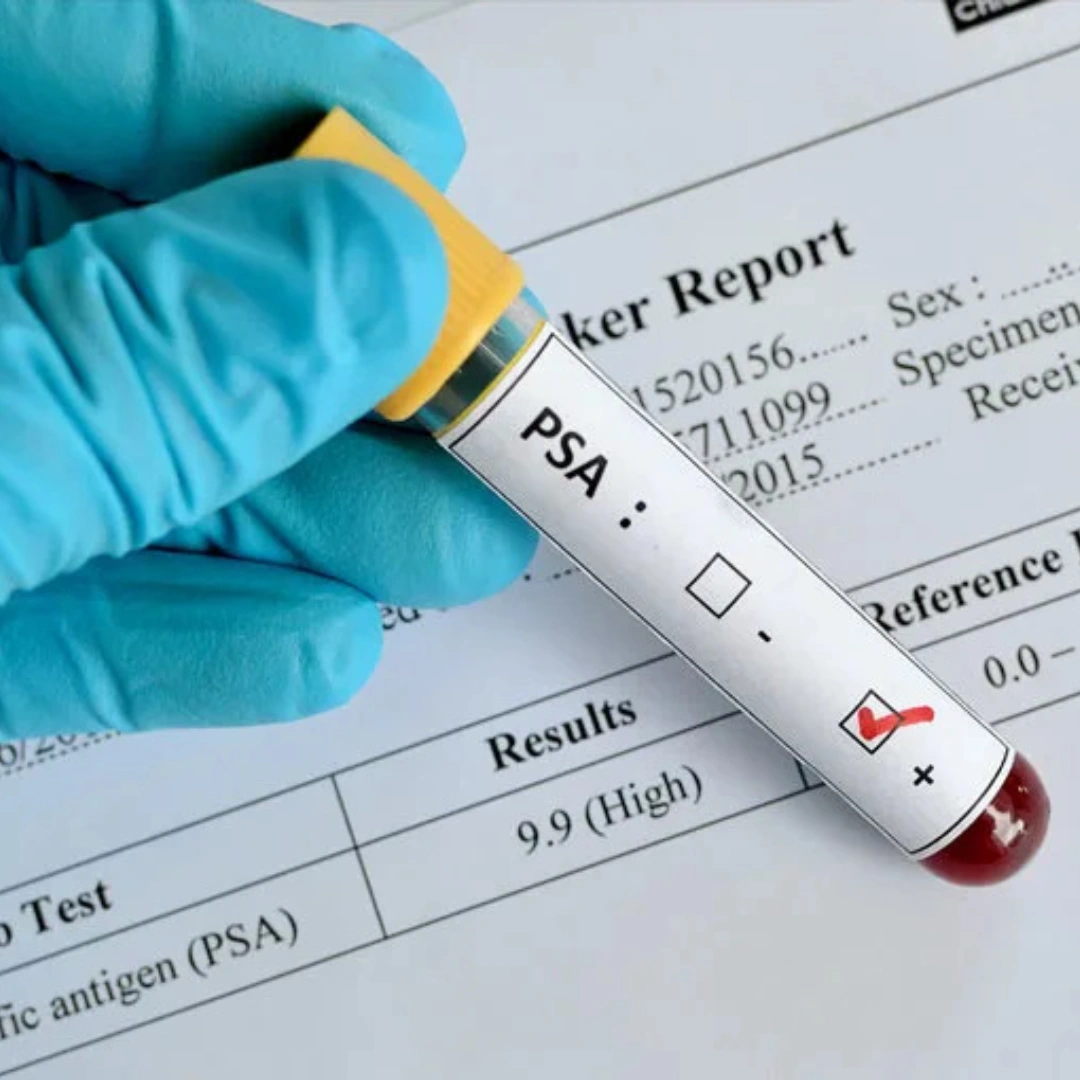
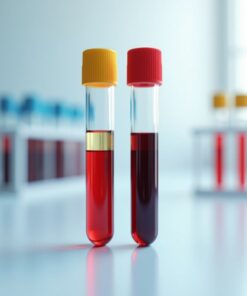
The PSA Free (Prostate Specific Antigen), Serum test measures the level of free (unbound) prostate-specific antigen in the blood. PSA is a protein produced by the prostate gland, and it circulates in two forms: bound to proteins and unbound (free). Measuring the proportion of free PSA compared to total PSA helps distinguish between prostate cancer and non-cancerous conditions such as benign prostatic hyperplasia (BPH) or prostatitis.
Uses
This test is used to:
– Differentiate between prostate cancer and benign prostate enlargement in men with borderline or moderately elevated total PSA levels.
– Improve diagnostic accuracy when total PSA results are inconclusive.
– Reduce unnecessary prostate biopsies.
– Monitor prostate health in men at risk of prostate cancer.
Symptoms That May Lead to the Test
Doctors may recommend a Free PSA test if you have:
– Elevated or borderline total PSA levels.
– Difficulty urinating or weak urine stream.
– Frequent urination, especially at night.
– Pelvic discomfort or persistent lower back pain.
– Family history of prostate cancer or other prostate-related risks.
Abnormal Results
Low Free PSA Percentage: Suggests a higher likelihood of prostate cancer. Typically, a free PSA ratio below 10–15% indicates greater cancer risk, and biopsy may be recommended.
High Free PSA Percentage: Suggests a benign cause such as BPH or prostatitis, making prostate cancer less likely.
Interpretation always depends on total PSA levels, age, and clinical findings.
Risks
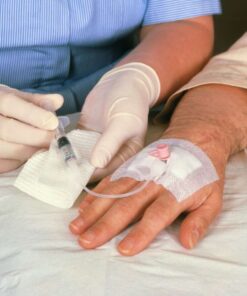
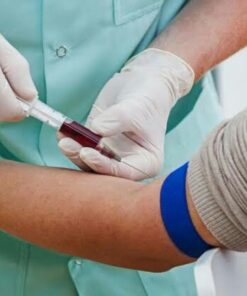
The test requires a standard blood sample. Risks are minimal, including mild pain, bruising, or dizziness at the puncture site. The laboratory analysis itself is safe and carries no risks.


Reviews
There are no reviews yet.