Histamine, Plasma
What it is
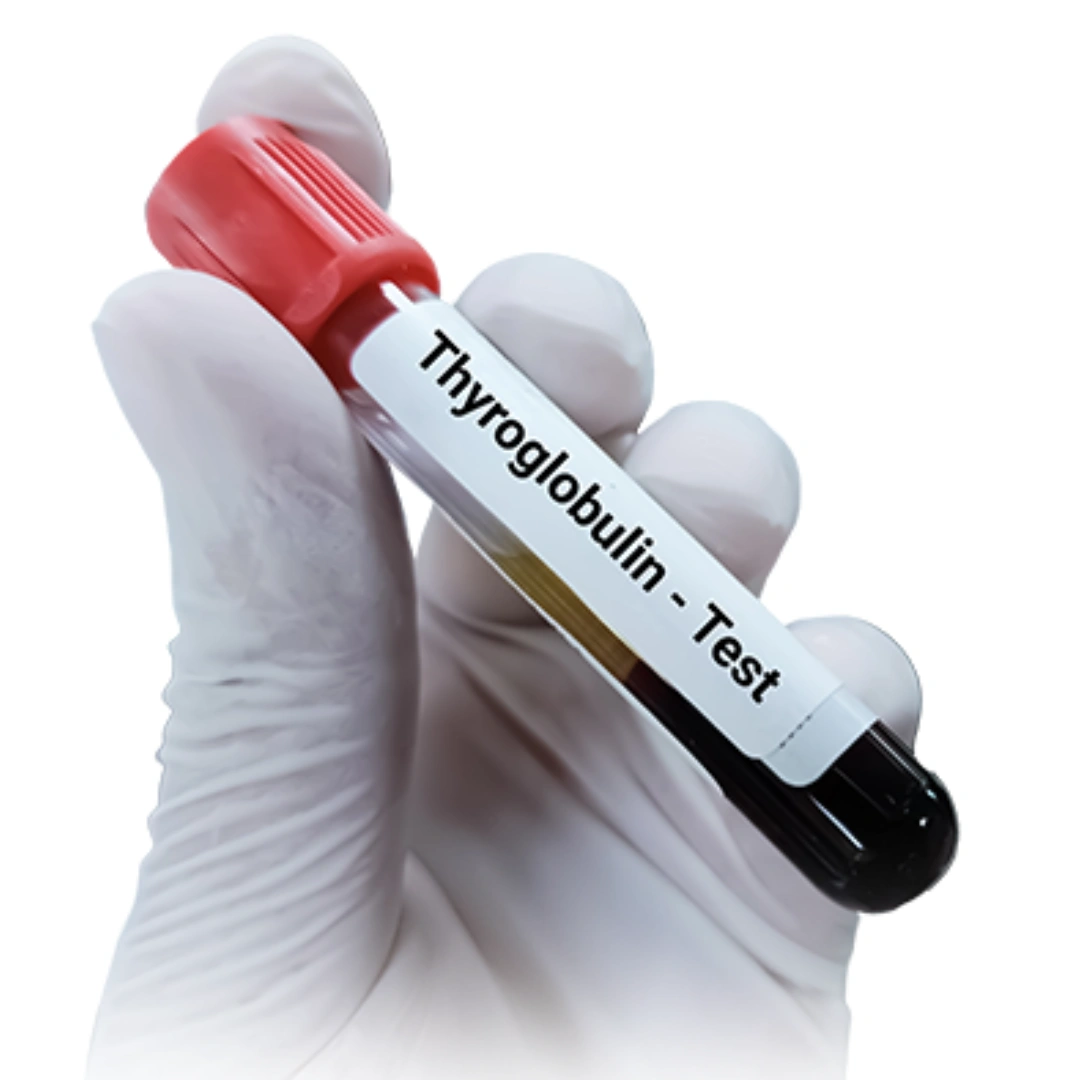
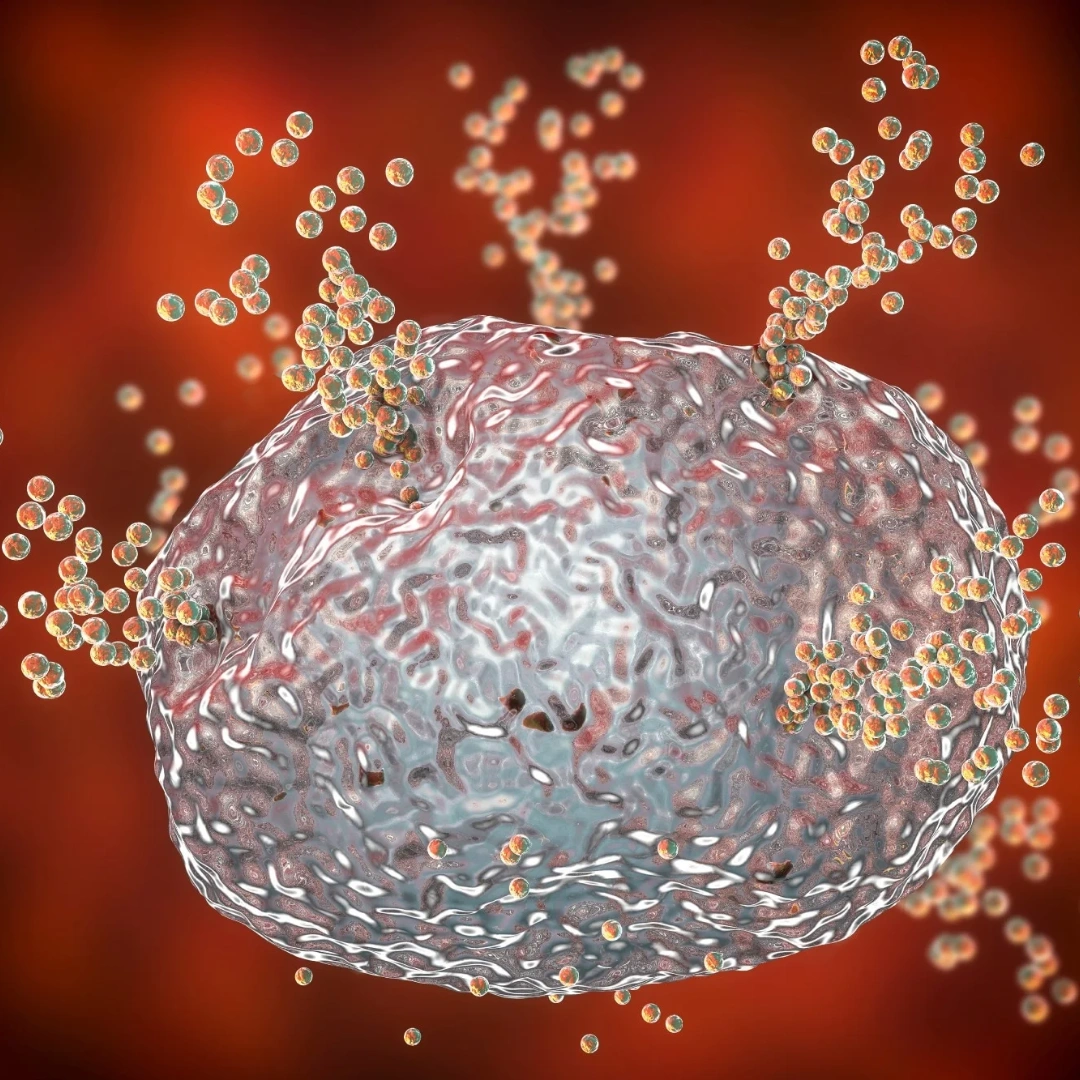
The Histamine, Plasma test measures the level of histamine in the blood. Histamine is a chemical mediator released mainly by mast cells and basophils during allergic reactions, inflammation, and immune responses. It plays an important role in processes such as gastric acid secretion, regulation of blood vessel tone, and triggering allergy symptoms. Measuring plasma histamine can help identify mast cell disorders, severe allergic reactions, and other conditions involving abnormal histamine release.
Uses
This test is used to:
- Evaluate suspected mast cell activation disorders, including mastocytosis.
- Support diagnosis of severe allergic reactions (anaphylaxis).
- Investigate unexplained flushing, hives, or recurrent allergic-type symptoms.
- Assist in diagnosing carcinoid syndrome and other rare conditions involving vasoactive substances.
- Monitor response to therapy in patients with mast cell disorders.
Symptoms / Conditions That May Lead to the Test
Doctors may recommend this test if you have:
- Frequent or severe allergic reactions.
- Unexplained hives, itching, or swelling (angioedema).
- Flushing, abdominal pain, or diarrhea suggestive of mast cell activation.
- Low blood pressure, dizziness, or fainting after allergen exposure (possible anaphylaxis).
- Symptoms suspicious for systemic mastocytosis or carcinoid syndrome.
Abnormal Results
- High Histamine Levels: May indicate mast cell activation (allergic reaction, anaphylaxis), mastocytosis, carcinoid syndrome, or other allergic/inflammatory disorders.
- Normal or Low Histamine Levels: Suggest no significant histamine release at the time of testing. However, levels may vary depending on timing relative to symptoms, so repeat testing may be needed.
Results should be interpreted alongside other markers (e.g., tryptase) and clinical findings for accurate diagnosis.
Risks
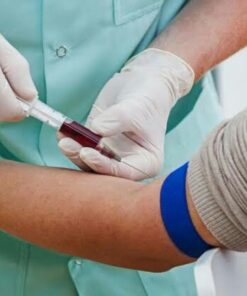
The test requires a blood sample and carries minimal risks, including:
- Mild pain, bruising, or discomfort at the puncture site.
- Rare chance of infection or dizziness after blood draw.


Reviews
There are no reviews yet.