Insulin Fasting, Serum
What it is
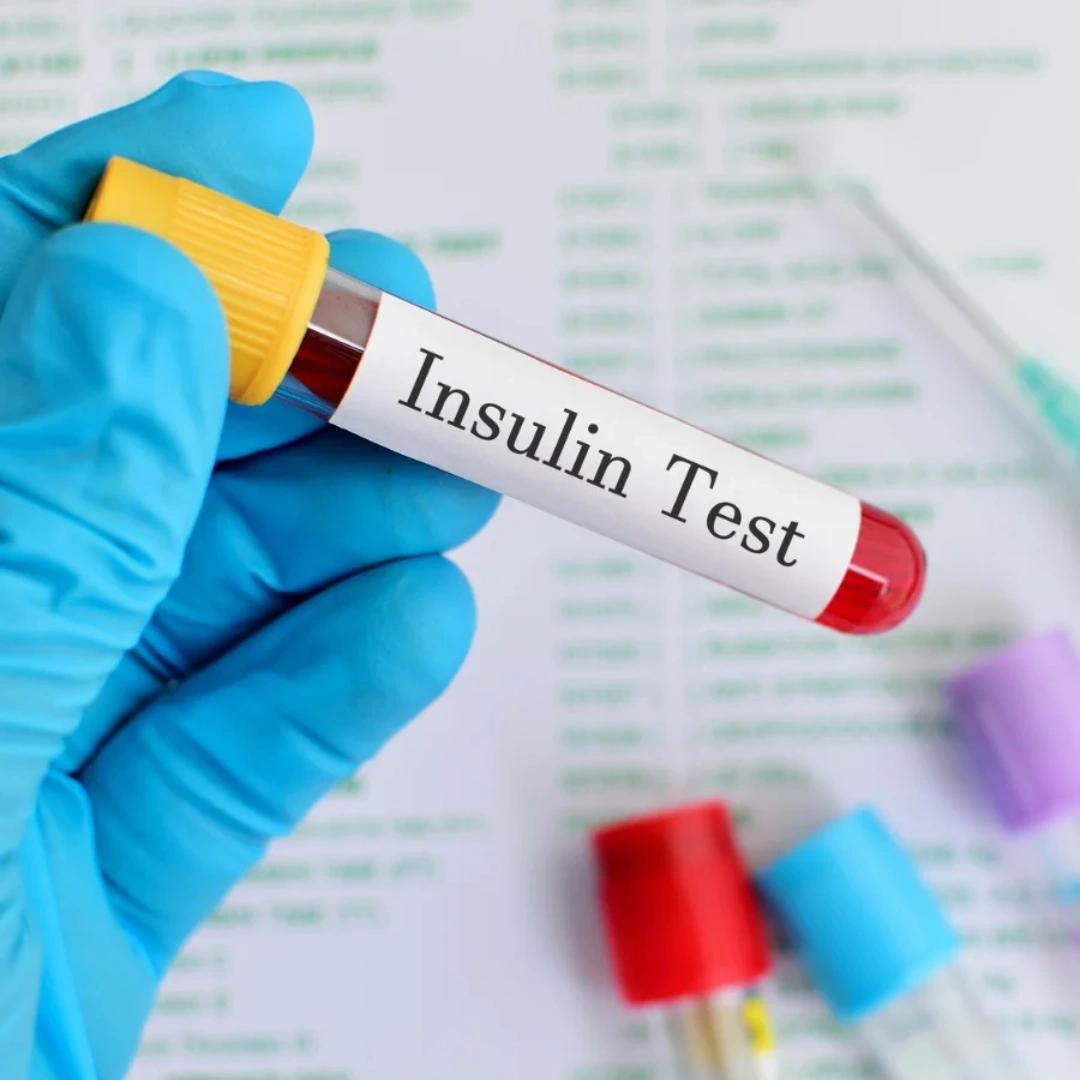
The Insulin Fasting, Serum test measures the level of insulin in the blood after an overnight fast. Insulin is a hormone produced by the pancreas that regulates blood sugar by allowing glucose to enter cells for energy. Measuring fasting insulin helps assess how well the body is producing and using insulin, and it is often used to evaluate insulin resistance, type 2 diabetes risk, and metabolic disorders.
Uses
This test is used to:
- Assess insulin production and secretion by the pancreas.
- Detect insulin resistance, which is linked to prediabetes, type 2 diabetes, and metabolic syndrome.
- Support diagnosis of conditions like polycystic ovary syndrome (PCOS).
- Investigate causes of low blood sugar (hypoglycemia).
- Guide treatment monitoring in diabetes and metabolic disorders.
Symptoms / Conditions That May Lead to the Test
Doctors may recommend this test if you have:
- Frequent urination, increased thirst, unexplained weight changes (possible diabetes signs).
- Obesity, especially with central fat distribution.
- Polycystic ovary syndrome (PCOS) or irregular menstrual cycles.
- Unexplained hypoglycemia (sweating, dizziness, confusion, fainting).
- Family history of type 2 diabetes or metabolic syndrome.
Abnormal Results
- High Fasting Insulin: May indicate insulin resistance, early type 2 diabetes, obesity, metabolic syndrome, or PCOS.
- Low Fasting Insulin: May suggest type 1 diabetes, advanced type 2 diabetes with reduced pancreatic function, or hypopituitarism.
Results are usually interpreted with fasting glucose levels, HbA1c, and sometimes the HOMA-IR index (Homeostatic Model Assessment of Insulin Resistance) to evaluate metabolic health.
Risks
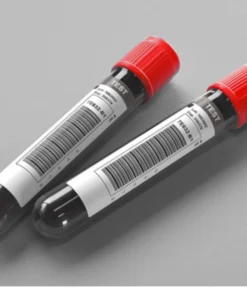
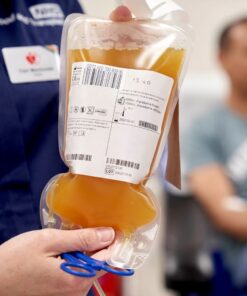
The test requires a blood sample after overnight fasting and carries minimal risks, including:
- Mild pain, bruising, or discomfort at the puncture site.
- Rare chance of infection or dizziness after blood draw.


Reviews
There are no reviews yet.