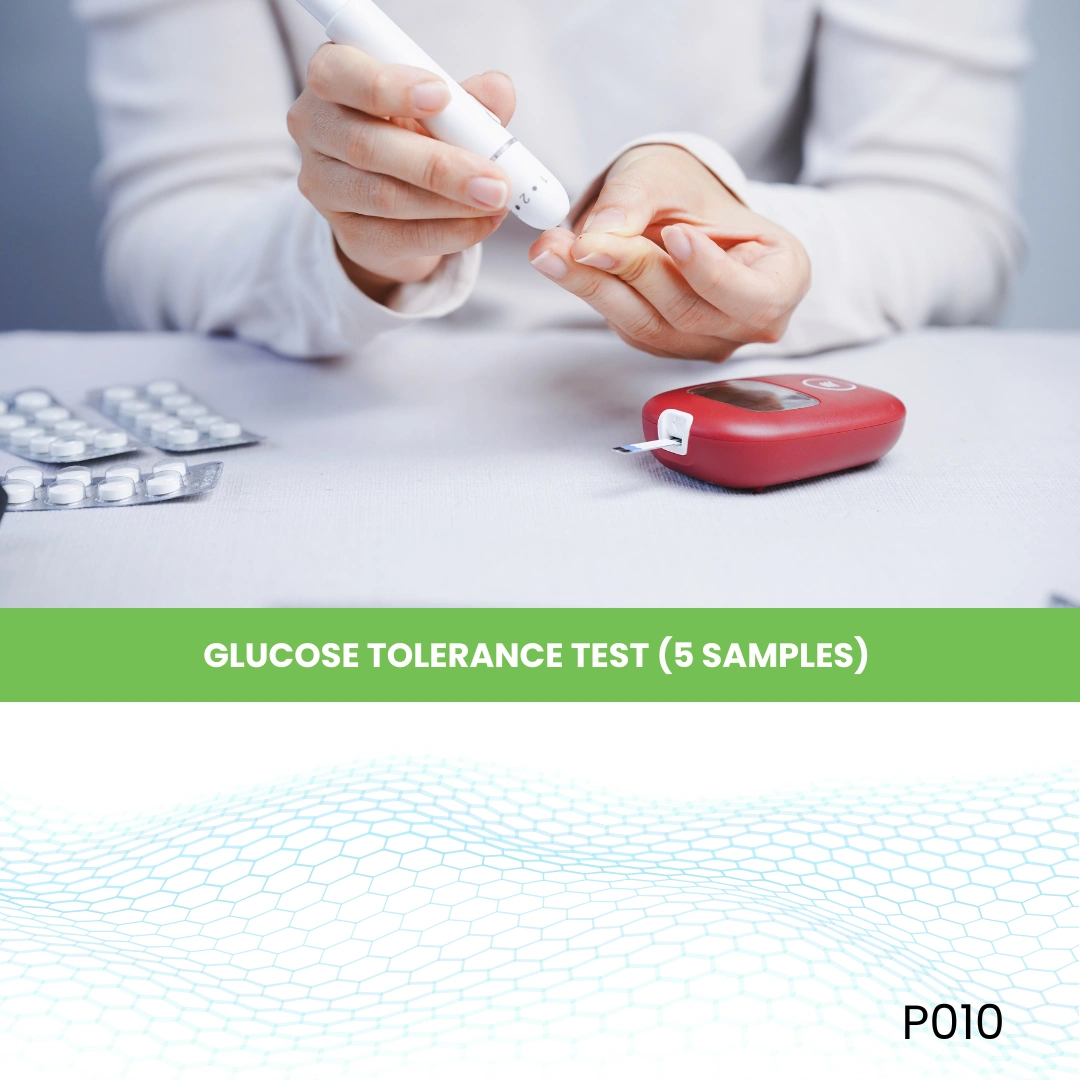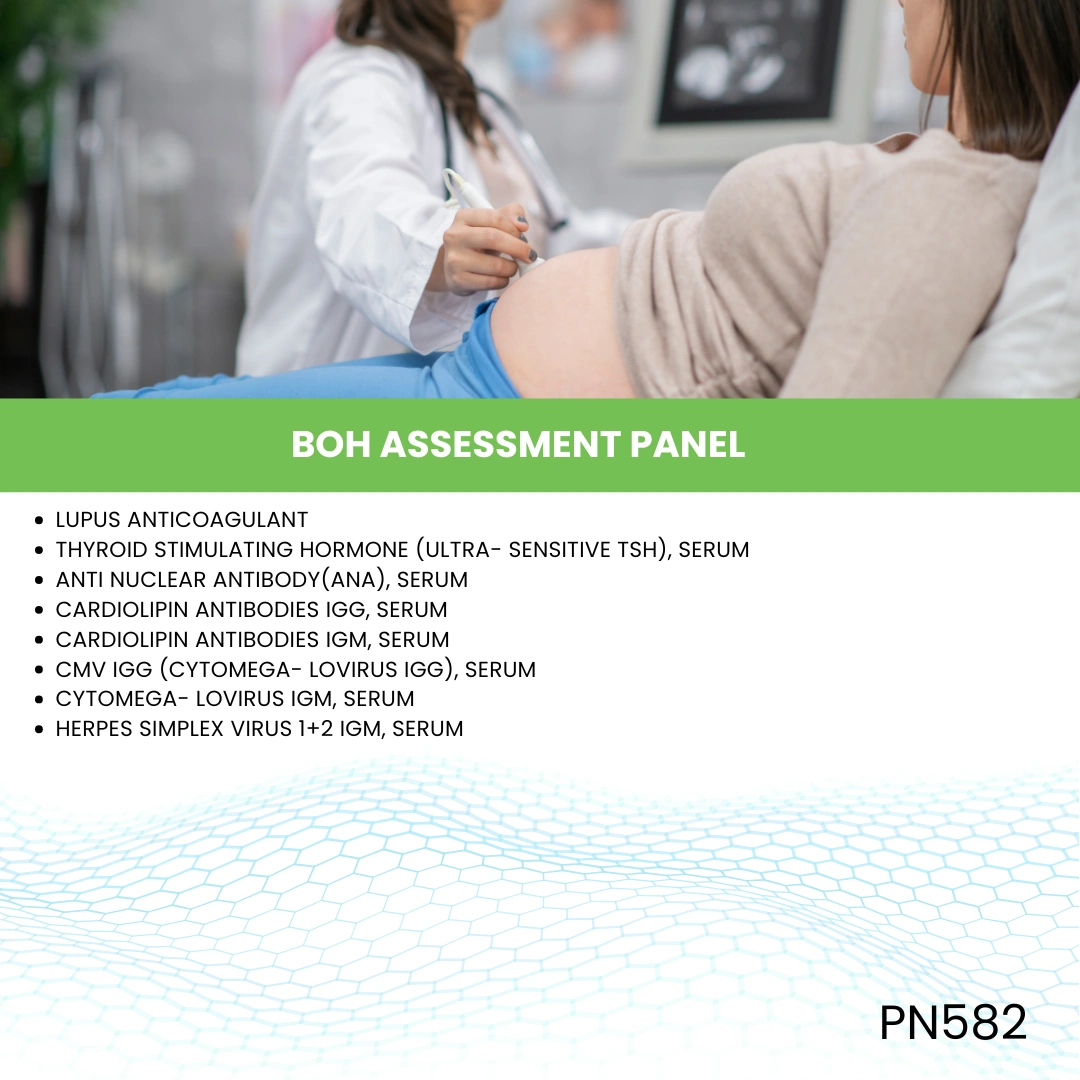
GTT-2, Glucose Tolerance Test (Modified GTT)
What it is
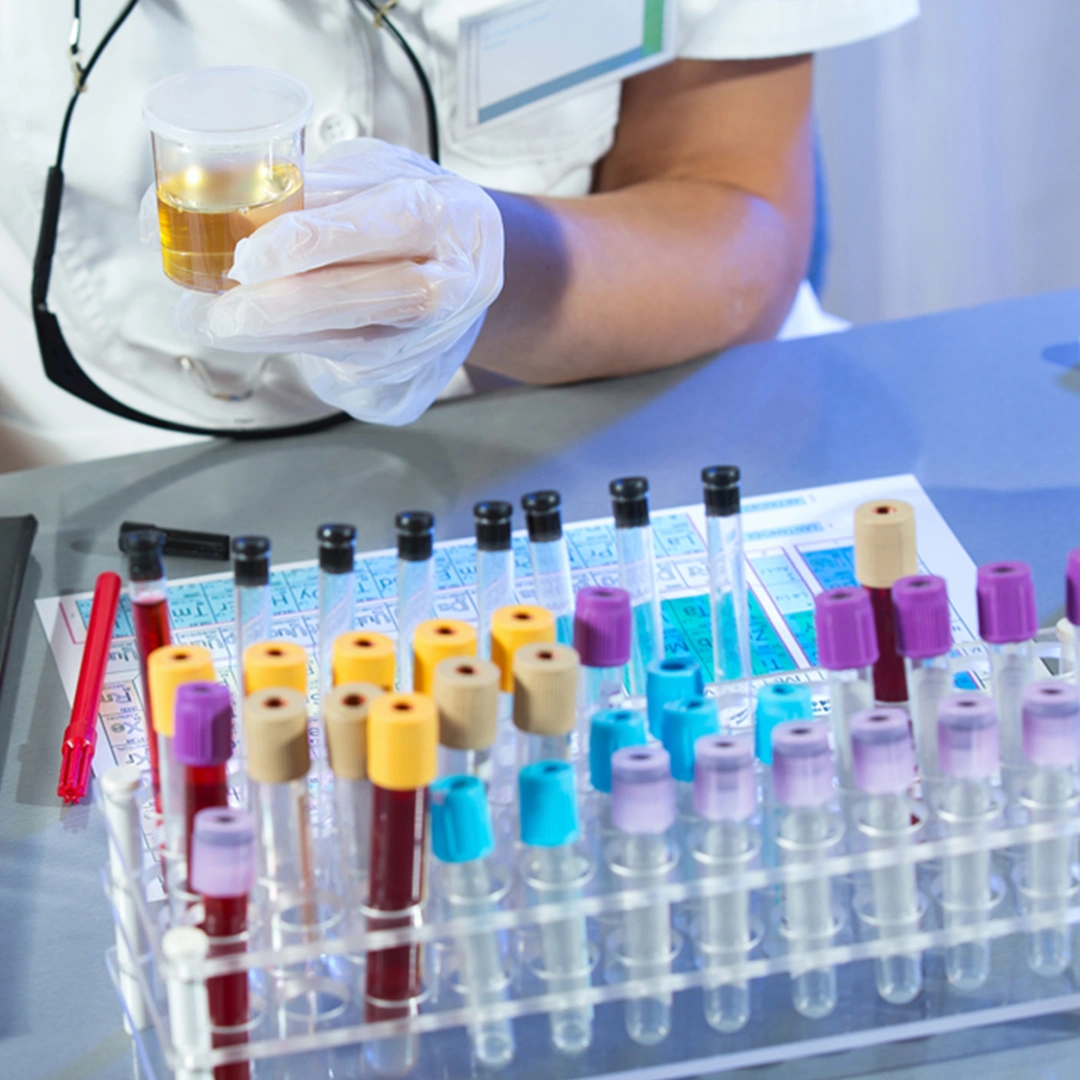
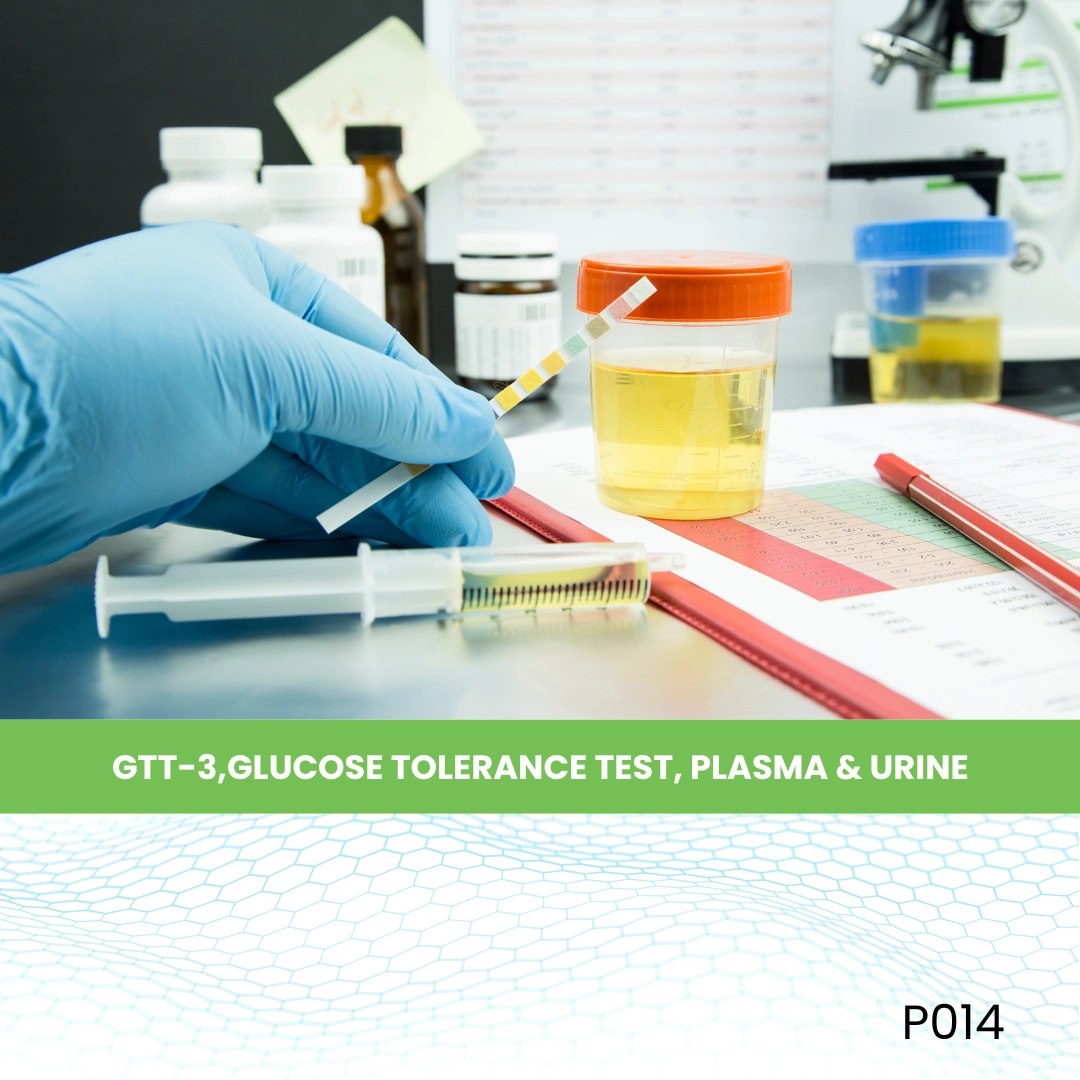
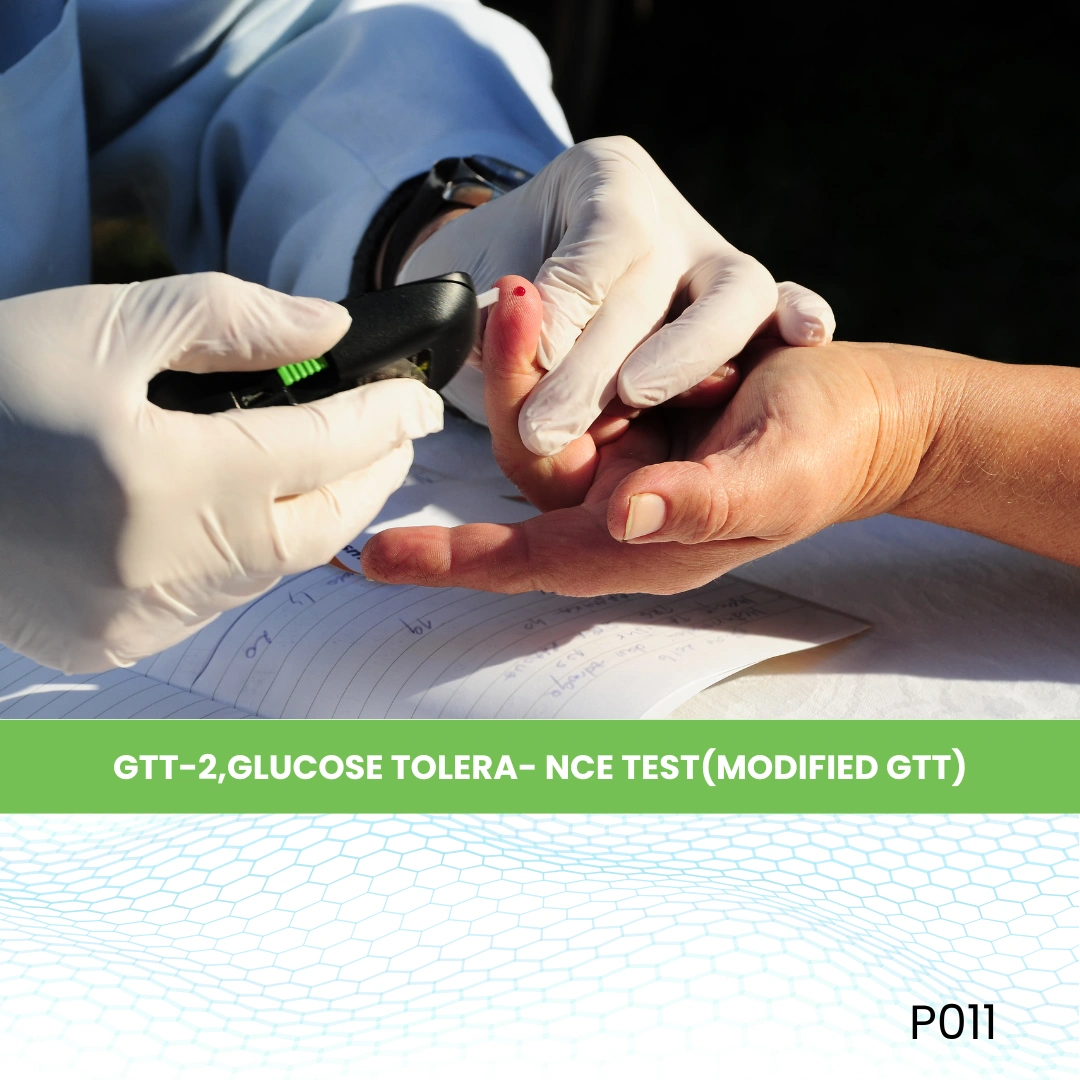
The GTT-2, or Modified Glucose Tolerance Test, is a diagnostic blood test that evaluates how the body processes glucose over a set period of time after ingesting a standard glucose load. In this 2-sample version, blood glucose is typically measured at baseline (fasting) and again at 2 hours after consuming 75 g of glucose solution. It is a simplified version of the full oral glucose tolerance test (OGTT), designed for quicker yet reliable assessment of glucose metabolism.
Uses
This test is used to:
- Diagnose type 2 diabetes mellitus and prediabetes.
- Screen for gestational diabetes during pregnancy (when adapted for obstetric protocols).
- Assess impaired glucose tolerance in individuals with borderline or elevated fasting glucose levels.
- Monitor patients at high risk for metabolic disorders, such as obesity or family history of diabetes.
Symptoms That May Lead to the Test
Doctors may recommend the GTT-2 test if you have symptoms such as frequent urination, excessive thirst, unexplained weight loss, fatigue, recurrent infections, or blurred vision. It is also often advised during routine pregnancy screening (between 24–28 weeks) or if you have risk factors like obesity, PCOS, or hypertension.
Abnormal Results
Normal: Fasting glucose <100 mg/dL and 2-hour glucose <140 mg/dL.
Prediabetes (Impaired Glucose Tolerance): 2-hour glucose between 140–199 mg/dL.
Diabetes Mellitus: 2-hour glucose ≥200 mg/dL confirms diabetes (requires repeat testing in most cases).
Interpretation may be combined with HbA1c and fasting glucose levels for a more comprehensive diagnosis.
Risks
The test involves fasting, ingestion of a glucose solution, and two blood draws. Risks are minimal but may include mild nausea, dizziness, or headache after drinking the glucose solution, as well as slight bruising or discomfort at the blood draw site.


Reviews
There are no reviews yet.