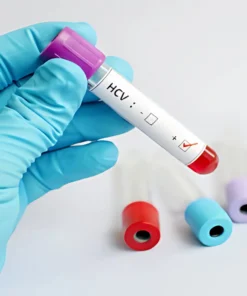
HBV Detection Test (Qualitative)
What it is
The HBV Detection Test (Qualitative) is a diagnostic blood test that detects the presence of Hepatitis B virus (HBV) infection. This test determines whether viral genetic material (DNA) or antigens are present in the bloodstream, giving a simple “positive” or “negative” result. Unlike quantitative assays, it does not measure viral load but confirms active infection.
Uses
This test is used to:
- Confirm active HBV infection in suspected cases.
- Differentiate between Hepatitis B infection and other causes of liver inflammation.
- Screen high-risk groups such as blood donors, healthcare workers, dialysis patients, and pregnant women.
- Support outbreak monitoring and public health surveillance programs.
Symptoms That May Lead to the Test
Doctors may recommend the HBV qualitative test if you have symptoms such as jaundice (yellowing of eyes/skin), dark urine, pale stools, abdominal pain, fatigue, nausea, vomiting, or unexplained liver enzyme elevations. It is also performed in people with a history of unprotected sex, IV drug use, blood transfusion, or occupational exposure to HBV.
Abnormal Results
Positive Result: Indicates current HBV infection (acute or chronic). Patients are considered infectious and may require antiviral treatment or close monitoring.
Negative Result: Suggests absence of detectable HBV infection. However, if testing is done very early after exposure, repeat testing may be required as the virus may not yet be detectable.
Further evaluation with HBsAg, HBeAg, Anti-HBs, Anti-HBc, and HBV DNA quantitative testing is usually recommended for complete clinical assessment.
Risks
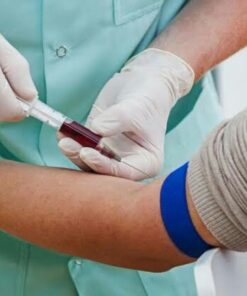
The test requires a routine blood draw. Risks are minimal and may include mild bruising, pain, or dizziness at the puncture site, which usually resolve quickly without complications.


Reviews
There are no reviews yet.