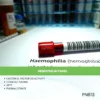
Hemophilia Panel
What it is
The Hemophilia Panel is a specialized blood test panel designed to evaluate clotting function and diagnose inherited bleeding disorders such as Hemophilia A and Hemophilia B. These conditions are caused by deficiencies or abnormalities in clotting factors, particularly Factor VIII (Hemophilia A) and Factor IX (Hemophilia B). The panel may include clotting factor assays, screening tests like activated partial thromboplastin time (aPTT), and in some cases, genetic analysis to confirm mutations in clotting factor genes.
Uses
This panel is used to:
- Diagnose hemophilia and other clotting factor deficiencies.
- Differentiates between Hemophilia A (Factor VIII deficiency) and Hemophilia B (Factor IX deficiency).
- Guide treatment planning with factor replacement therapy or advanced biologics.
- Support family screening and genetic counseling in inherited bleeding disorders.
- Monitor patients already on clotting factor replacement for therapeutic response.
Symptoms That May Lead to the Test
Your doctor may recommend a Hemophilia Panel if you have symptoms such as frequent nosebleeds, unexplained bruising, prolonged bleeding after injury or surgery, hemarthrosis (bleeding into joints), heavy menstrual bleeding (in women carriers), or a family history of hemophilia.
Abnormal Results
Low Factor VIII activity: Indicates Hemophilia A.
Low Factor IX activity: Indicates Hemophilia B.
Prolonged aPTT with normal PT: Suggests intrinsic pathway clotting disorder, typical of hemophilia.
Normal results: Rule out hemophilia but may prompt further evaluation for other bleeding disorders (e.g., von Willebrand disease).
Risks
The test requires a routine blood sample. Risks are minimal, including mild pain, bruising, or dizziness at the puncture site. For genetic testing, risks are related only to standard blood draw and not the analysis itself.


Reviews
There are no reviews yet.