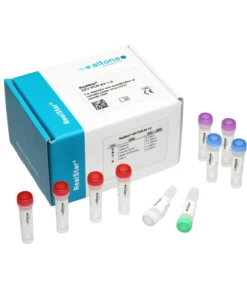
Hepatitis C Virus (HCV) IgM
What it is
The Hepatitis C Virus (HCV) IgM test is a blood test that detects IgM antibodies produced by the immune system in response to a recent or ongoing HCV infection. IgM antibodies typically appear shortly after exposure and are an early marker of acute or active hepatitis C. Unlike IgG antibodies, which indicate past or chronic infection, IgM points toward recent viral activity.
Uses
This test is used to:
- Identify acute or recent hepatitis C infection.
- Differentiate between new infection and long-standing exposure detected by IgG antibodies.
- Guide early clinical management and antiviral therapy decisions.
- Complement HCV RNA PCR testing for confirmation of active viral replication.
Symptoms That May Lead to the Test
Your doctor may recommend this test if you present with symptoms of acute hepatitis such as jaundice, dark urine, pale stools, nausea, abdominal pain, fatigue, loss of appetite, or unexplained elevated liver enzymes. It is also advised after potential recent exposure to HCV through blood transfusion, injection drug use, unprotected sexual contact, or occupational injury (needle-stick).
Abnormal Results
Positive HCV IgM: Indicates acute or recent hepatitis C infection. Further confirmation with HCV RNA PCR is needed to establish active viral replication.
Negative HCV IgM: Suggests no recent infection. If IgG is positive, it may indicate past infection or chronic HCV.
Note: Since antibody tests may not detect very early infection, RNA PCR is often required in high-risk cases.
Risks
The test involves a routine blood draw. Risks are minimal, including mild pain, slight bruising, or dizziness at the puncture site, which usually resolve quickly.


Reviews
There are no reviews yet.