Abnormal Hemoglobin Screen (Hb HPLC), Whole Blood
What it is
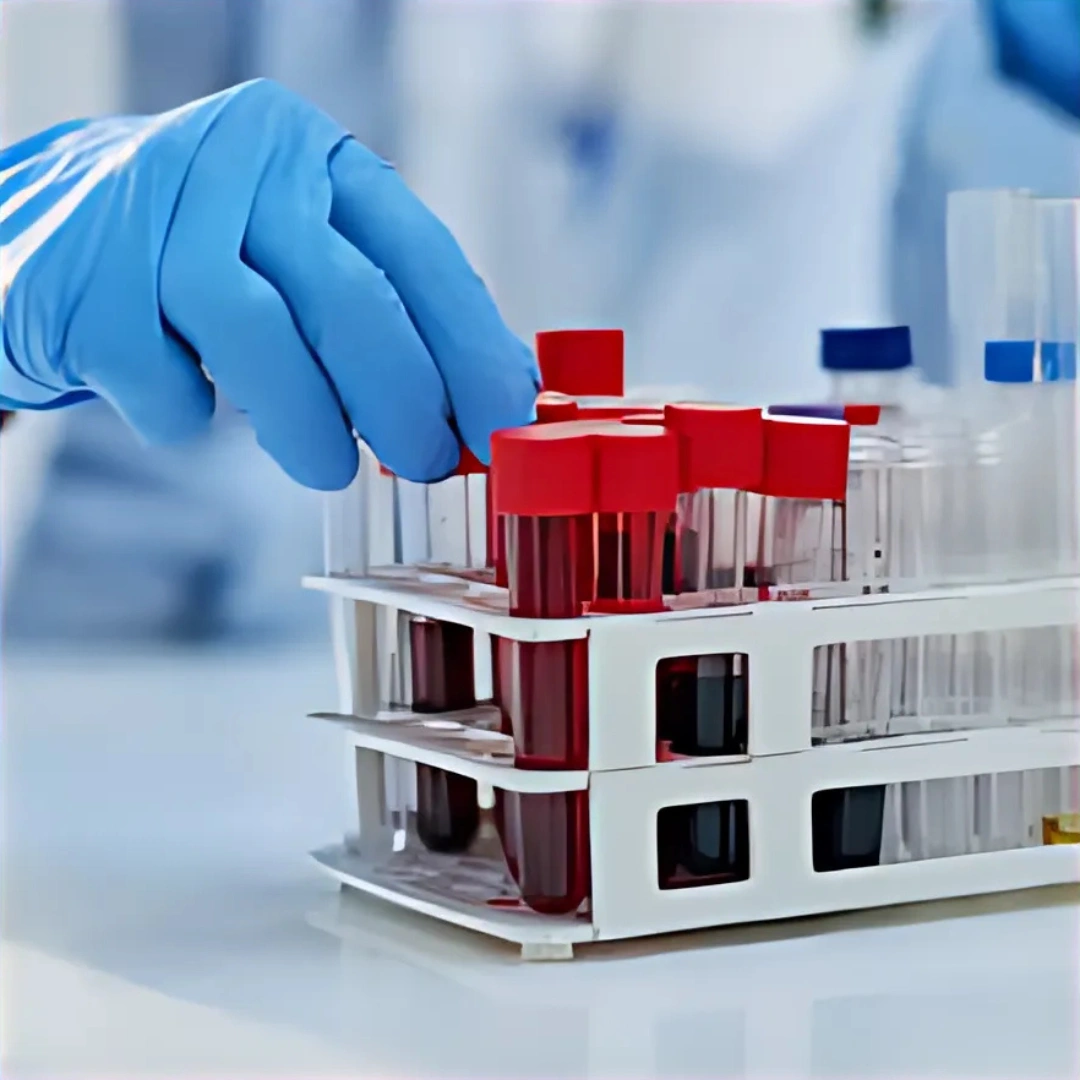
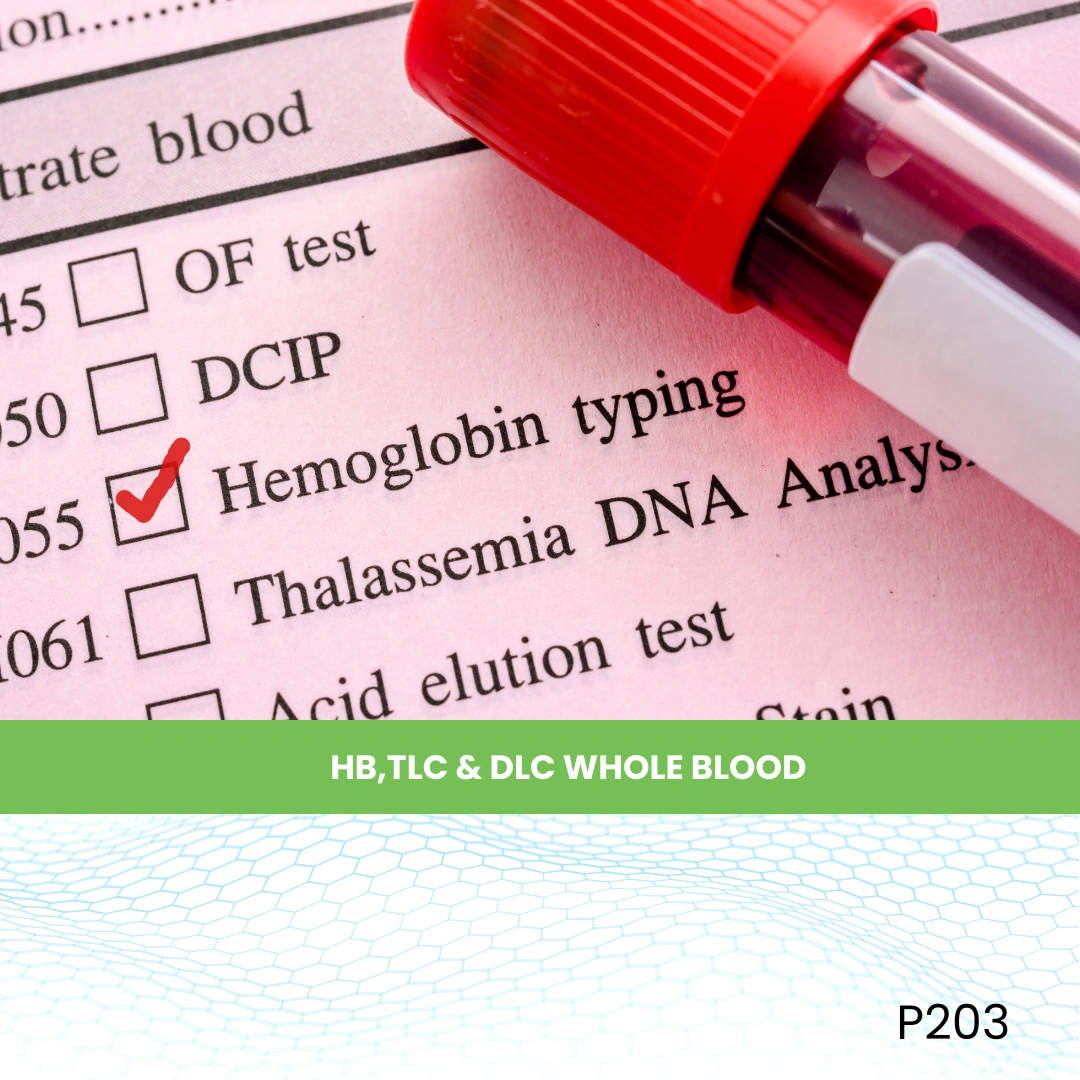
The Abnormal Hemoglobin Screen using High-Performance Liquid Chromatography (Hb HPLC) is a specialized blood test that detects abnormal types of hemoglobin in whole blood. Hemoglobin is the protein in red blood cells that carries oxygen. This test helps in identifying inherited blood disorders like thalassemia and sickle cell disease.
Uses
This test is widely used to diagnose hemoglobinopathies such as thalassemia, sickle cell anemia, HbE disease, and other hemoglobin variants. It also helps in carrier screening for genetic blood disorders and in evaluating unexplained anemia.
Symptoms That May Lead to the Test
Doctors may order this test if a patient shows signs of anemia such as fatigue, weakness, or pallor. Other symptoms include jaundice, enlarged spleen, or a family history of hemoglobin disorders. It may also be recommended before marriage or pregnancy to check carrier status.
Abnormal Results
Positive/Abnormal Results: Detects variants like HbS (sickle cell hemoglobin), HbC, HbE, and different forms of thalassemia. Abnormal findings suggest a genetic hemoglobin disorder or carrier state.
Normal Results: Only normal hemoglobin types (HbA, HbA2, and HbF) are present within expected ranges.
Risks
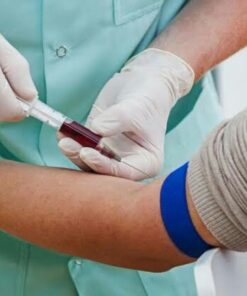
This is a routine blood test with minimal risks. Some patients may experience mild pain, bruising, or bleeding at the puncture site. Rarely, dizziness or infection may occur.


Reviews
There are no reviews yet.