Acetylcholine Receptor Binding Antibody, Serum
What it is
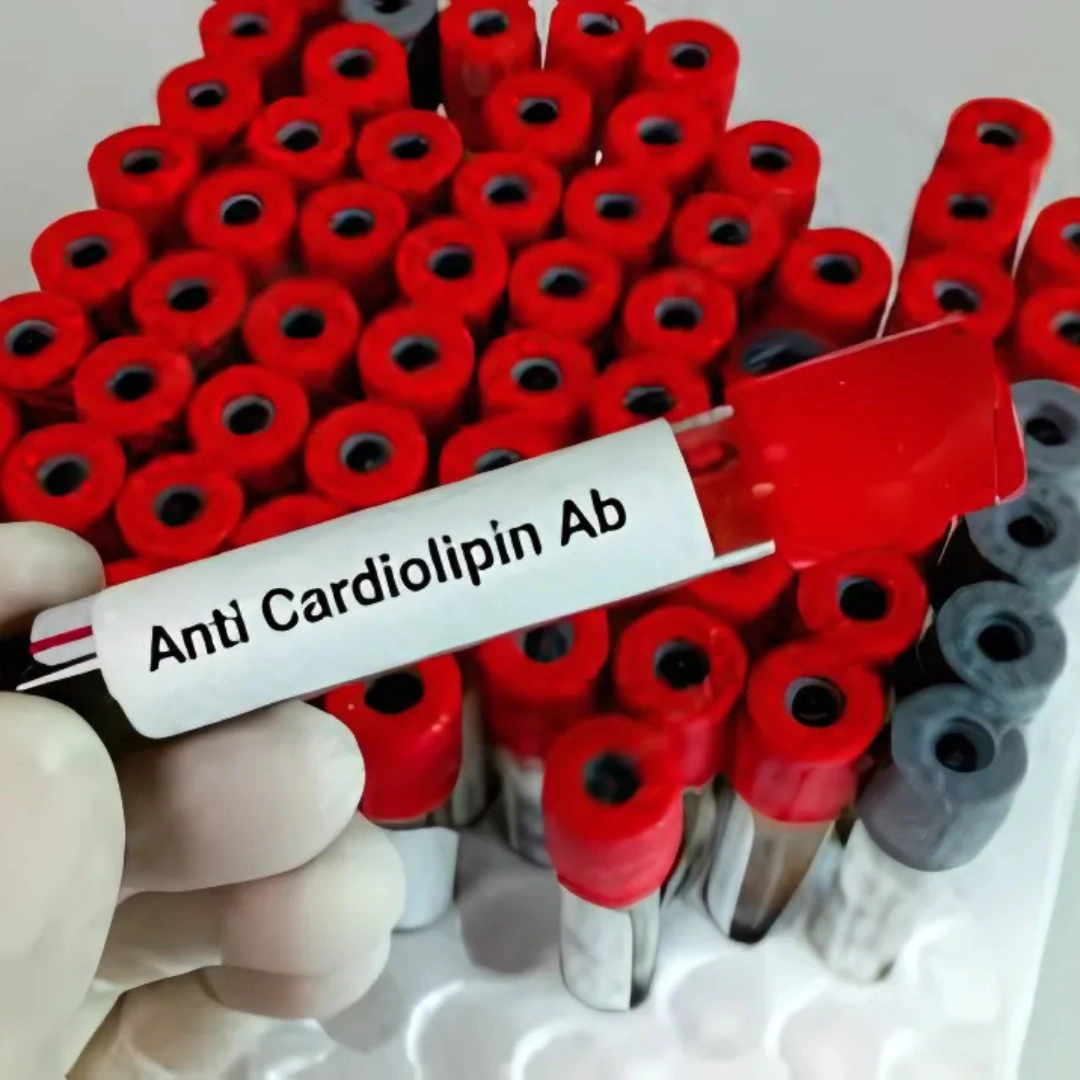
The Acetylcholine Receptor (AChR) Binding Antibody test measures antibodies in the blood that bind to acetylcholine receptors at the neuromuscular junction. These autoantibodies interfere with the communication between nerves and muscles, which is the main cause of the autoimmune disorder known as Myasthenia Gravis.
Uses
This test helps diagnose Myasthenia Gravis, distinguish it from other neuromuscular disorders, and monitor antibody levels in patients undergoing treatment. It may also be used to check for autoimmune activity in cases of thymoma (tumor of the thymus gland).
Symptoms That May Lead to the Test
Doctors may recommend this test if a patient shows symptoms such as muscle weakness that worsens with activity, drooping eyelids (ptosis), double vision (diplopia), difficulty swallowing, slurred speech, or generalized fatigue that improves with rest.
Abnormal Results
Positive Result: Presence of acetylcholine receptor binding antibodies strongly supports a diagnosis of Myasthenia Gravis. Higher antibody levels may also be associated with more severe disease or the presence of a thymoma.
Negative Result: Does not completely rule out Myasthenia Gravis, as some patients may have normal levels but still have the condition. In such cases, additional tests like AChR blocking/modulating antibodies or MuSK antibodies may be needed.
Risks
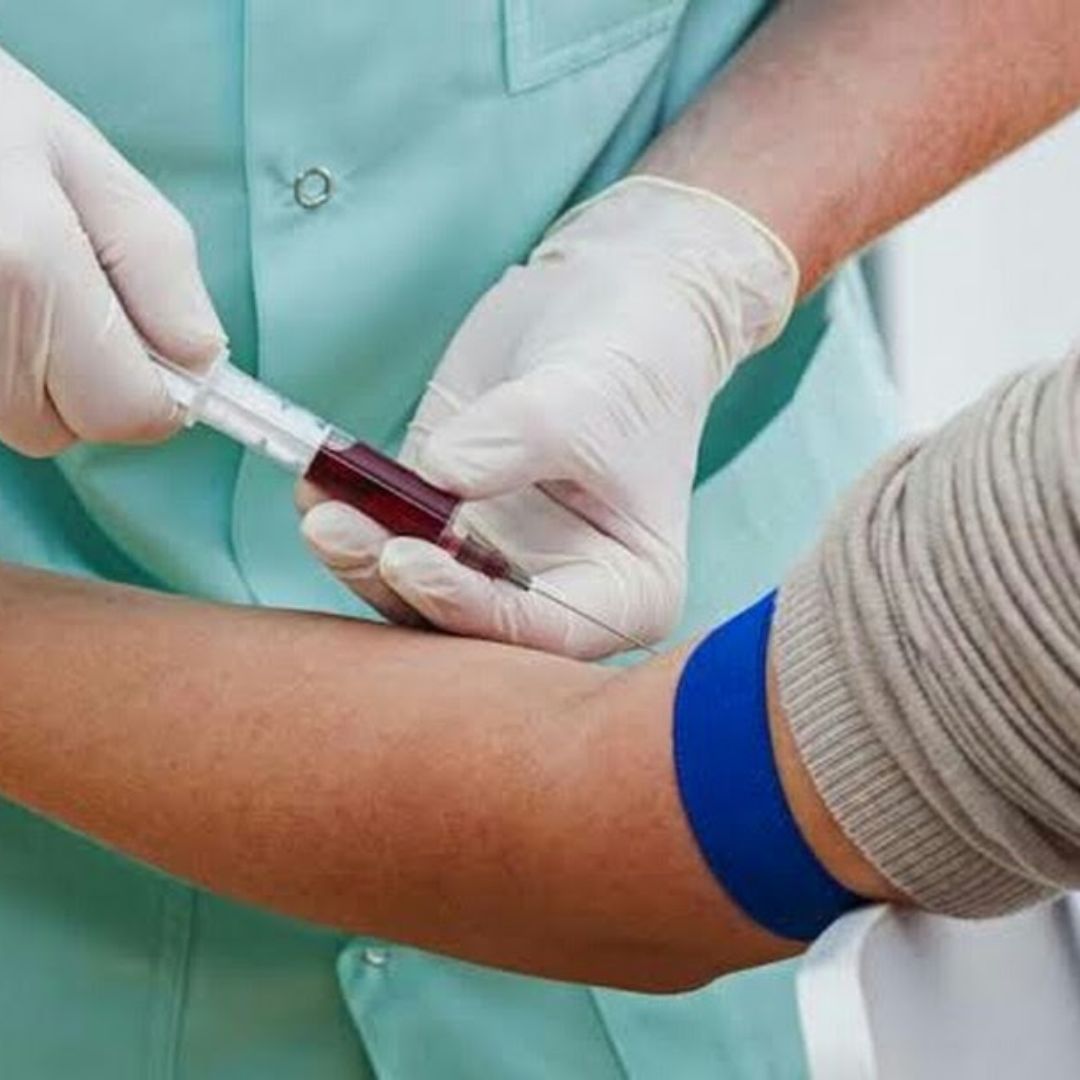
The test requires a standard blood sample, which carries minimal risks such as mild pain, bruising, or bleeding at the puncture site. Rarely, dizziness or infection may occur.


Reviews
There are no reviews yet.