AFB (Acid Fast Bacilli) Stain
What it is
The AFB (Acid Fast Bacilli) Stain is a laboratory test used to detect acid-fast bacteria, primarily Mycobacterium tuberculosis, which causes tuberculosis (TB). The staining process highlights these bacteria under a microscope, making it easier for doctors to identify TB and related infections.
Uses
This test helps diagnose tuberculosis (TB) and other mycobacterial infections. It is often performed on sputum, body fluids, or tissue samples and is useful for detecting active TB, guiding treatment, and monitoring infectiousness.
Symptoms That May Lead to the Test
The AFB stain may be recommended if a patient shows symptoms such as persistent cough lasting more than two weeks, coughing up blood, fever, night sweats, unexplained weight loss, or chronic fatigue. It may also be ordered in cases of suspected extrapulmonary TB, such as TB affecting the lymph nodes, bones, or other organs.
Abnormal Results
Positive AFB Stain: Indicates the presence of acid-fast bacilli, suggesting active tuberculosis or another mycobacterial infection. Further culture and sensitivity tests are usually required for confirmation and drug resistance testing.
Negative AFB Stain: No acid-fast bacteria detected. However, this does not completely rule out TB, especially if symptoms are present, since the bacteria may be too few to detect under the microscope.
Risks
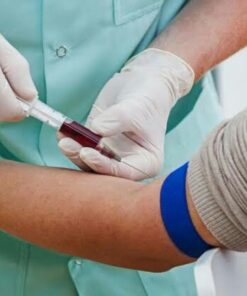
There are no direct risks from the stain test itself. Risks depend on the sample collection method, such as mild discomfort from sputum collection or rare complications from invasive procedures like biopsies or fluid aspiration.


Reviews
There are no reviews yet.