Aldosterone / Plasma Renin Direct Ratio
What it is
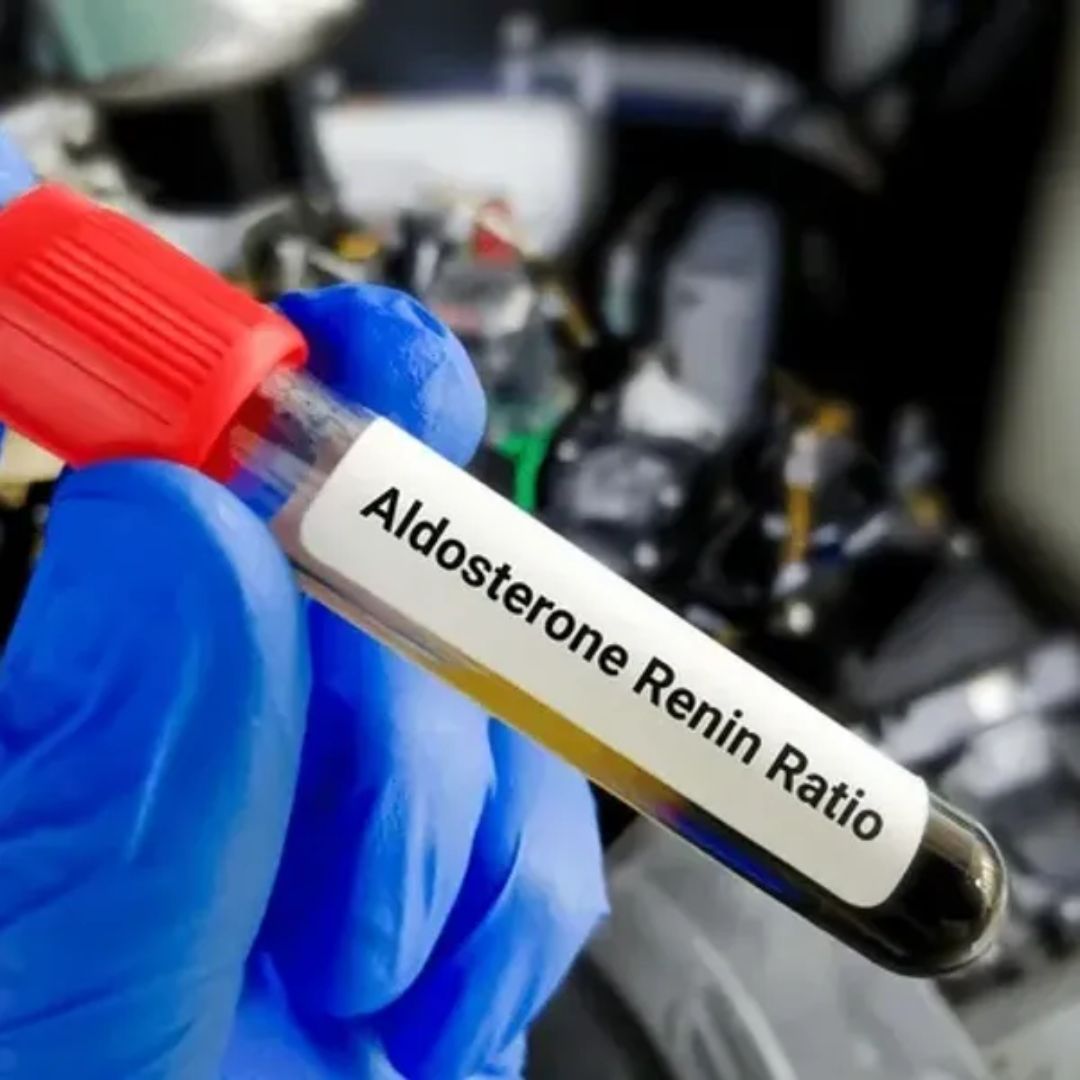
The Aldosterone / Plasma Renin Direct Ratio (ARR) test measures the balance between aldosterone, a hormone that regulates sodium and potassium, and renin, an enzyme that controls blood pressure. This ratio is the most reliable screening tool for detecting primary aldosteronism, a condition that causes high blood pressure due to excess aldosterone production.
Uses
This test is used to evaluate patients with difficult-to-control high blood pressure, low potassium levels, or suspected adrenal gland disorders. It helps in diagnosing primary aldosteronism (Conn’s syndrome), differentiating secondary causes of hypertension, and guiding further tests like adrenal imaging or suppression tests.
Symptoms That May Lead to the Test
Doctors may order the ARR test if you have severe or resistant hypertension, muscle weakness, frequent urination, excessive thirst, unexplained fatigue, or a family history of early-onset hypertension or stroke.
Abnormal Results
High ARR: Suggests primary aldosteronism, usually due to adrenal adenoma or adrenal hyperplasia. Further confirmatory tests are required.
Low or Normal ARR: Usually indicates secondary hypertension or normal adrenal function, but results must be interpreted alongside clinical findings and medications.
Risks
The test is a standard blood test and carries minimal risks. Possible side effects include mild pain, bruising, or bleeding at the puncture site, and rarely dizziness or infection.


Reviews
There are no reviews yet.