Aluminium, 24 Hours Urine
What it is
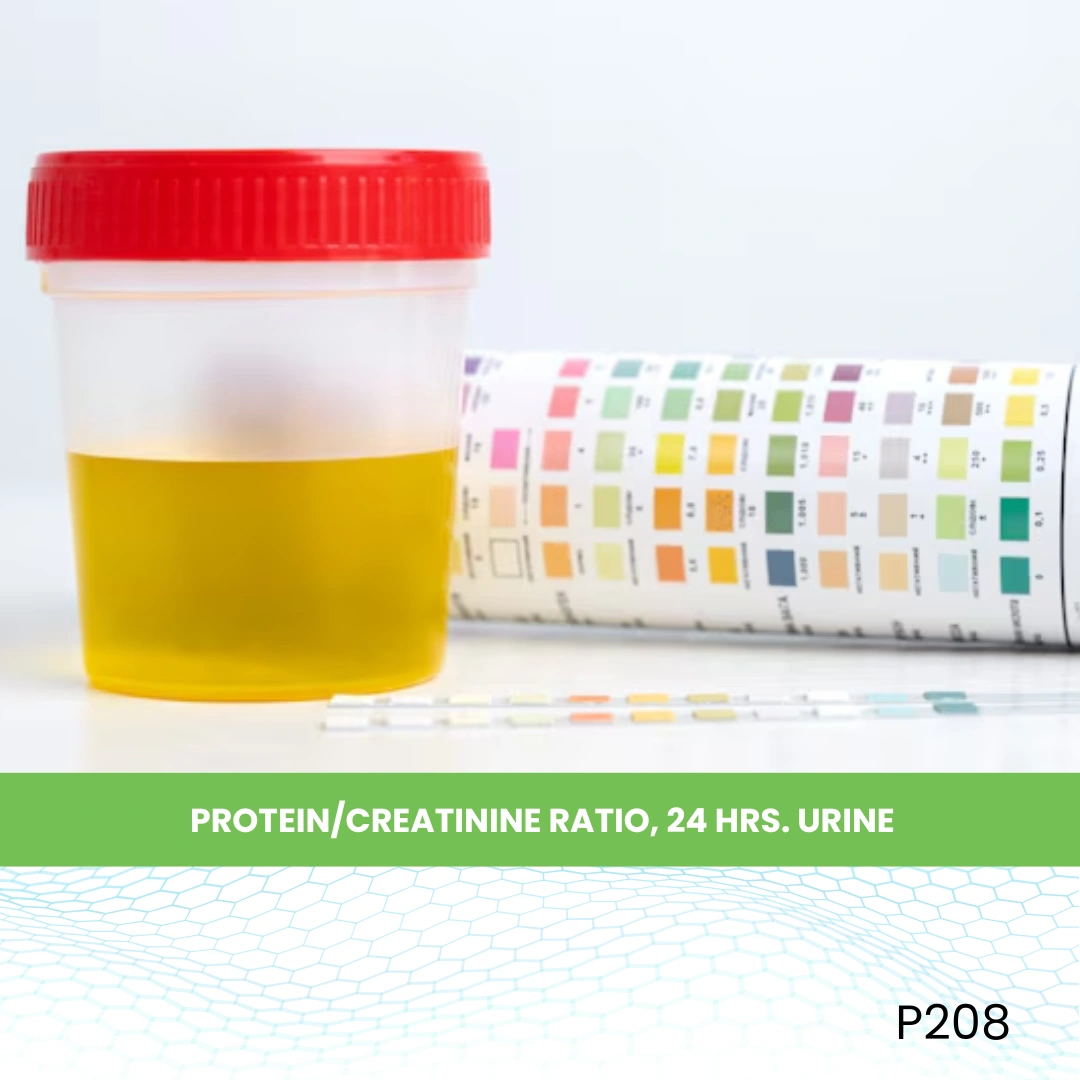
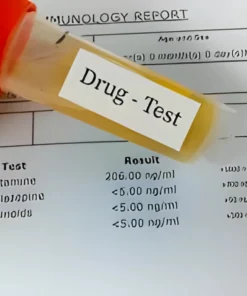
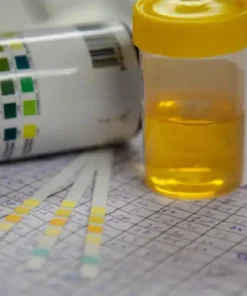
The Aluminium, 24 Hours Urine test measures the amount of aluminium excreted in the urine collected over a full 24-hour period. Aluminium is a naturally occurring metal that can enter the body through food, water, medications, or environmental exposure. While small amounts are usually harmless, excess aluminium can accumulate and cause toxic effects, especially in individuals with kidney problems or high exposure.
Uses
This test is used to detect aluminium exposure or poisoning, monitor patients receiving dialysis, and evaluate individuals who may have absorbed excessive amounts of aluminium from medications, occupational sources, or contaminated water. It is also useful for monitoring treatment effectiveness in cases of known aluminium toxicity.
Symptoms That May Lead to the Test
Doctors may recommend this test if you experience unexplained bone pain, muscle weakness, anemia, confusion, memory loss, seizures, or neurological decline. It is particularly relevant for patients with kidney disease, dialysis patients, or those taking long-term aluminium-containing antacids or phosphate binders.
Abnormal Results
High Urinary Aluminium: Suggests recent or chronic aluminium exposure. Elevated levels may be linked to dialysis with aluminium-contaminated water, long-term use of aluminium-based medications, or occupational exposure. Prolonged toxicity can cause bone disease, anemia, or encephalopathy.
Normal or Low Levels: Indicate no significant aluminium exposure. However, very high aluminium stored in tissues may not always reflect in urine levels, so clinical correlation is essential.
Risks
The test involves a 24-hour urine collection, which is non-invasive and carries no direct risks. Accuracy depends on proper sample collection and handling throughout the 24-hour period.


Reviews
There are no reviews yet.