Aminolevulinic Acid (ALA), Urine
What it is
The Aminolevulinic Acid (ALA), Urine test measures the amount of aminolevulinic acid excreted in the urine. ALA is a substance involved in the production of heme, the oxygen-carrying component of hemoglobin. Elevated urinary ALA levels are often associated with certain types of porphyria, particularly acute intermittent porphyria (AIP), which affects the body’s ability to produce heme properly.
Uses
This test is primarily used to help diagnose and monitor acute porphyrias, evaluate unexplained abdominal pain or neurological symptoms, and detect metabolic disturbances in heme synthesis. It is also used alongside other porphyrin and porphobilinogen (PBG) tests for a more complete evaluation.
Symptoms That May Lead to the Test
Doctors may order this test if you have recurrent unexplained abdominal pain, nausea, vomiting, constipation, muscle weakness, tingling or numbness, seizures, or mental changes such as anxiety, confusion, or hallucinations. These symptoms often occur in episodes during acute porphyria attacks.
Abnormal Results
High Urinary ALA: Strongly suggests acute porphyria, especially when elevated along with porphobilinogen (PBG). High levels may also be linked to lead poisoning, as lead interferes with heme production. Abnormal results typically require further confirmatory testing.
Normal or Low ALA: Usually indicates no active porphyria episode. However, normal results do not completely rule out porphyria if symptoms are absent at the time of testing.
Risks
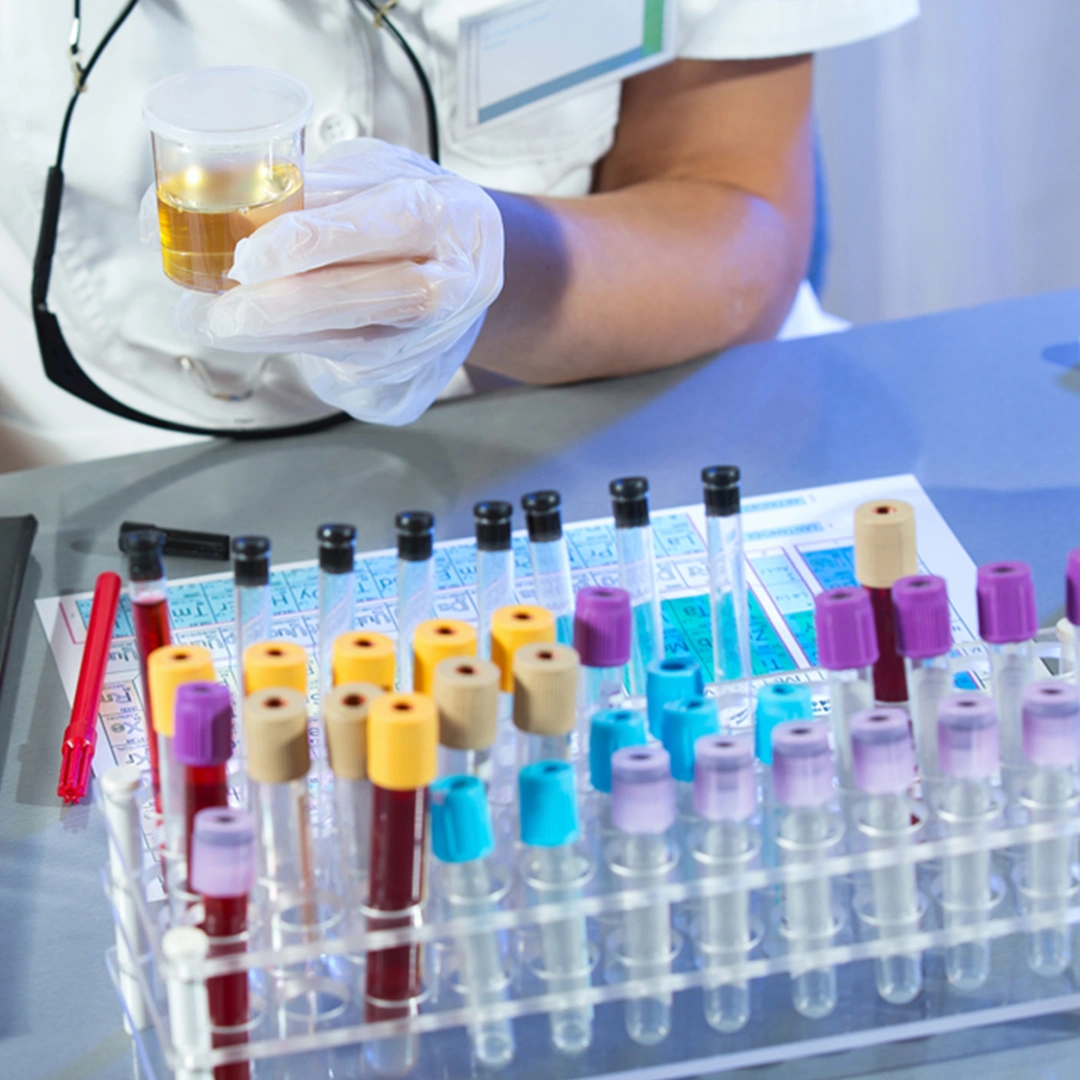
The test involves urine collection, which carries no direct risks. The main considerations are proper collection, handling, and storage of the urine sample to ensure accurate results.


Reviews
There are no reviews yet.