Antenatal Comprehensive Panel
What it is
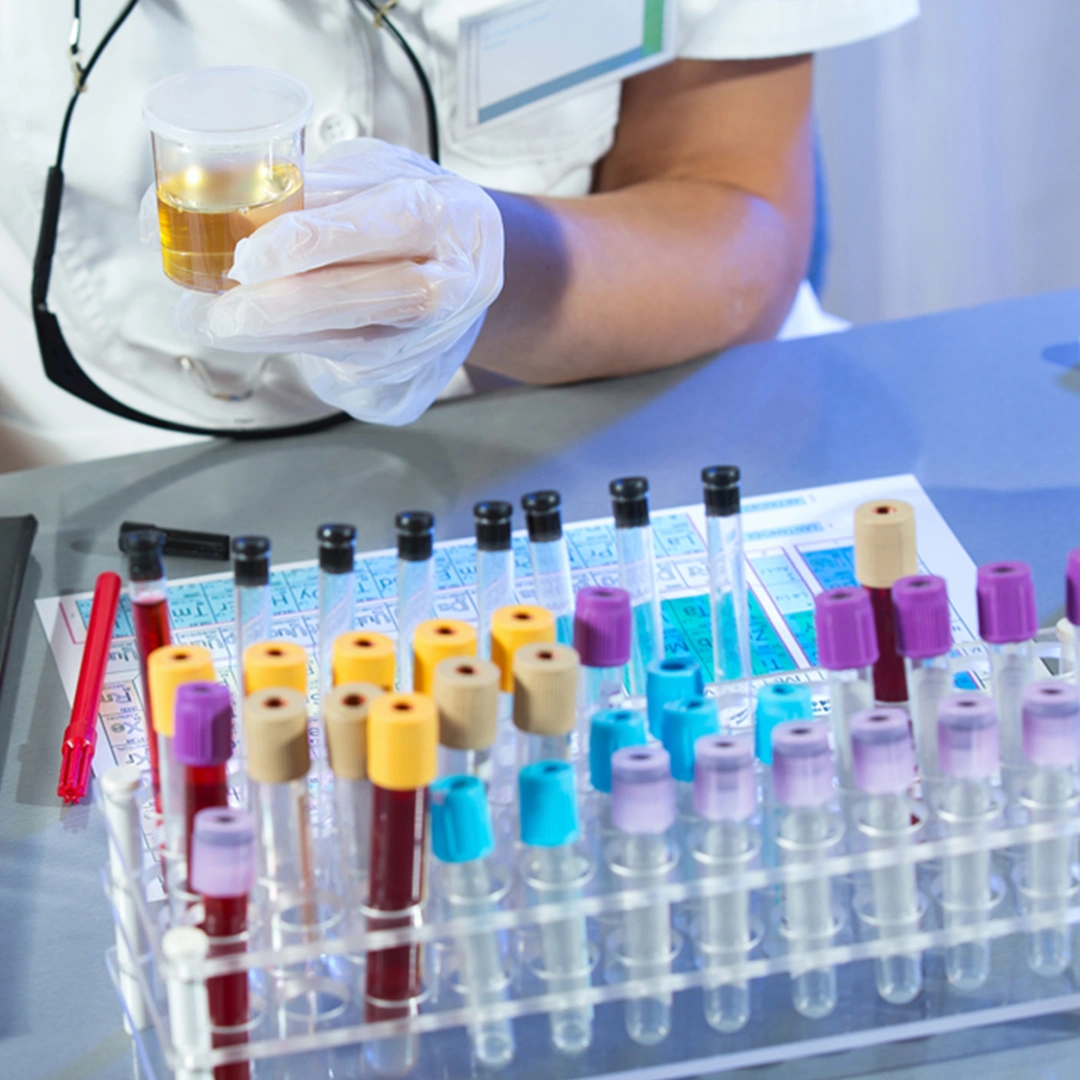
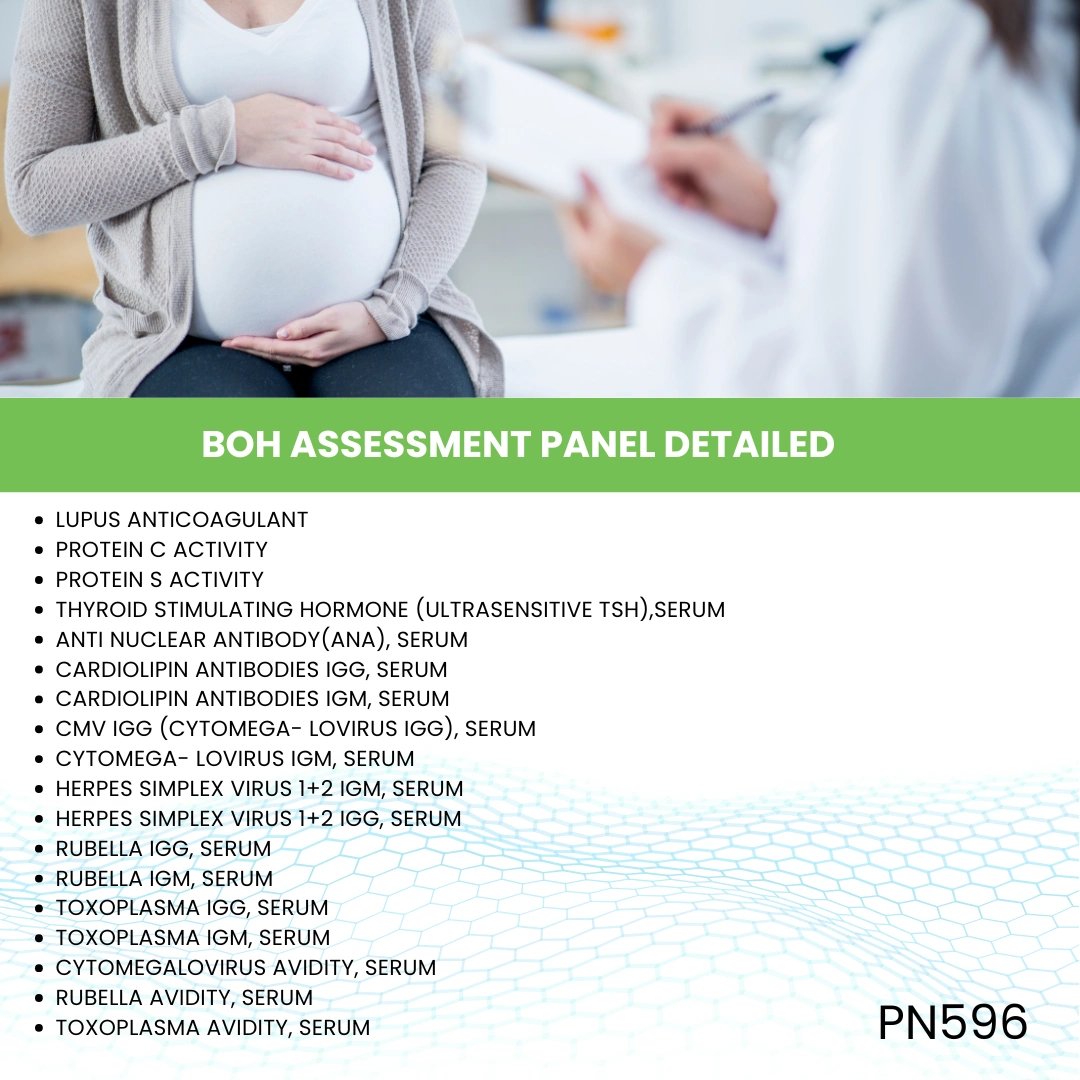
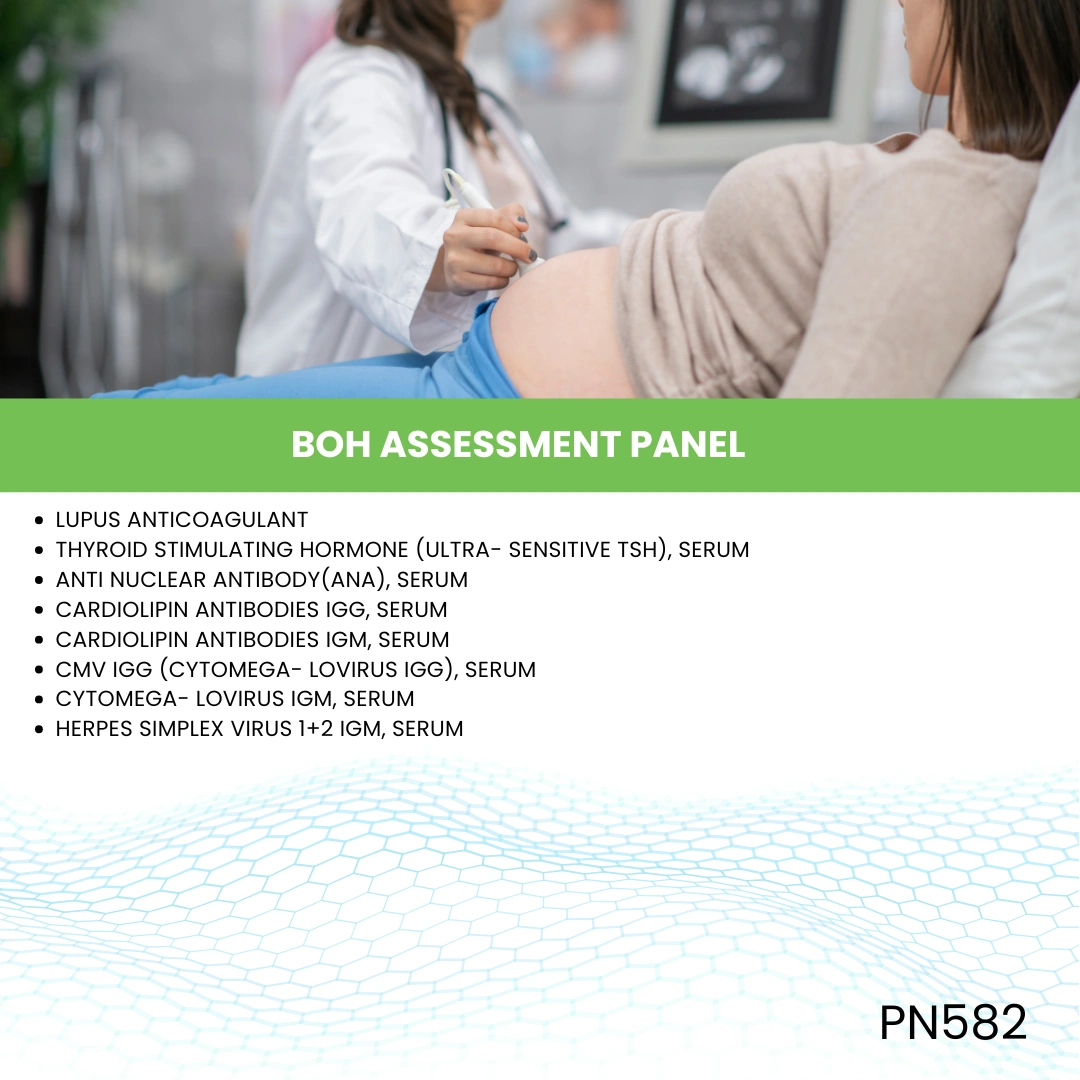
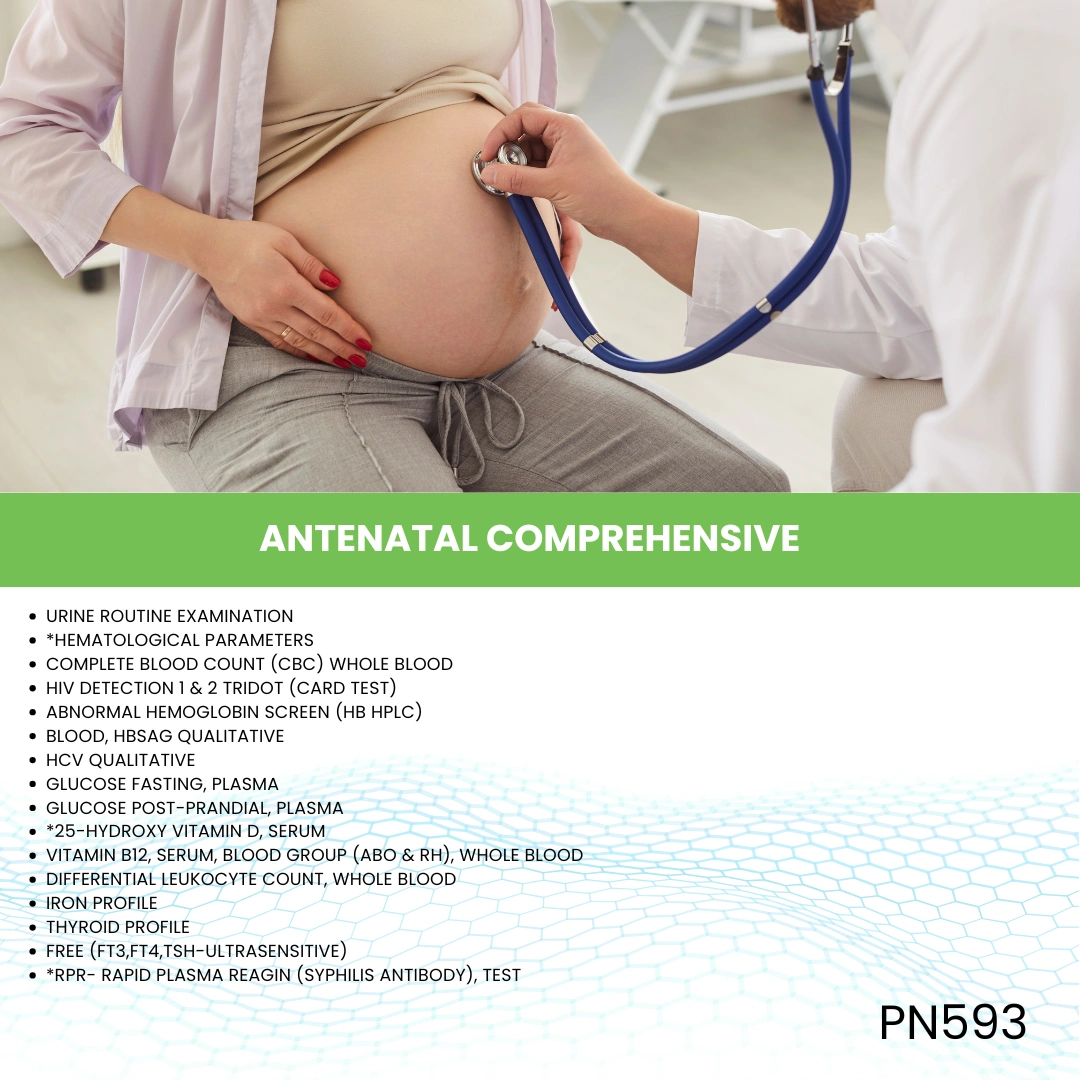
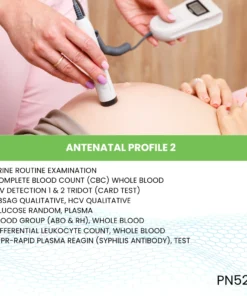
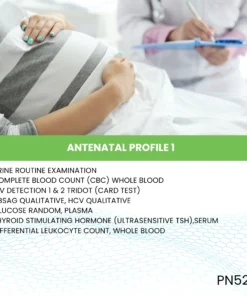
The Antenatal Comprehensive Panel is a group of blood and urine tests performed during pregnancy to assess the health of both the mother and the developing baby. This panel includes screenings for blood type, Rh factor, anemia, infections, immunity to certain diseases, and general organ function. It provides a baseline for ongoing prenatal care and early detection of complications.
Uses
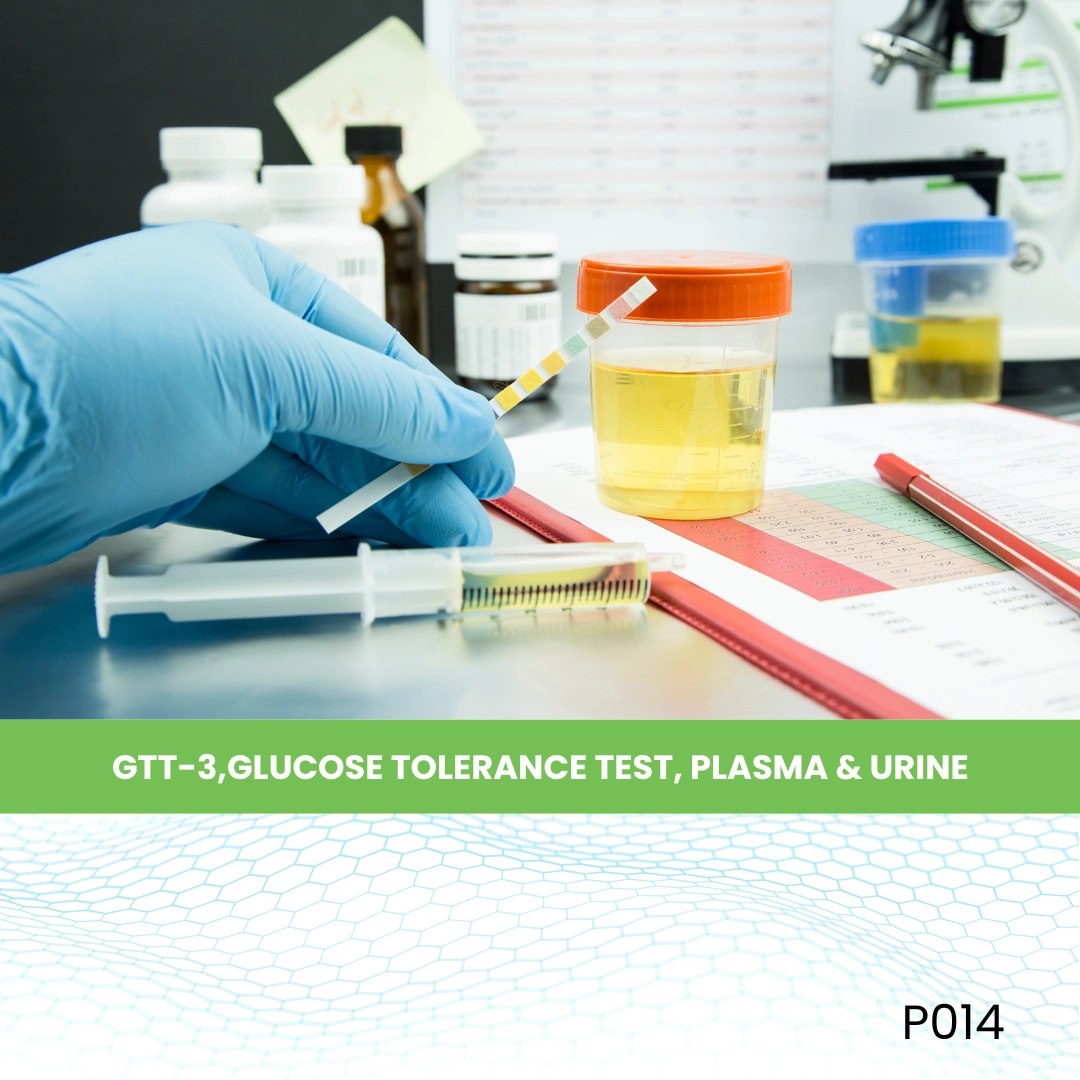
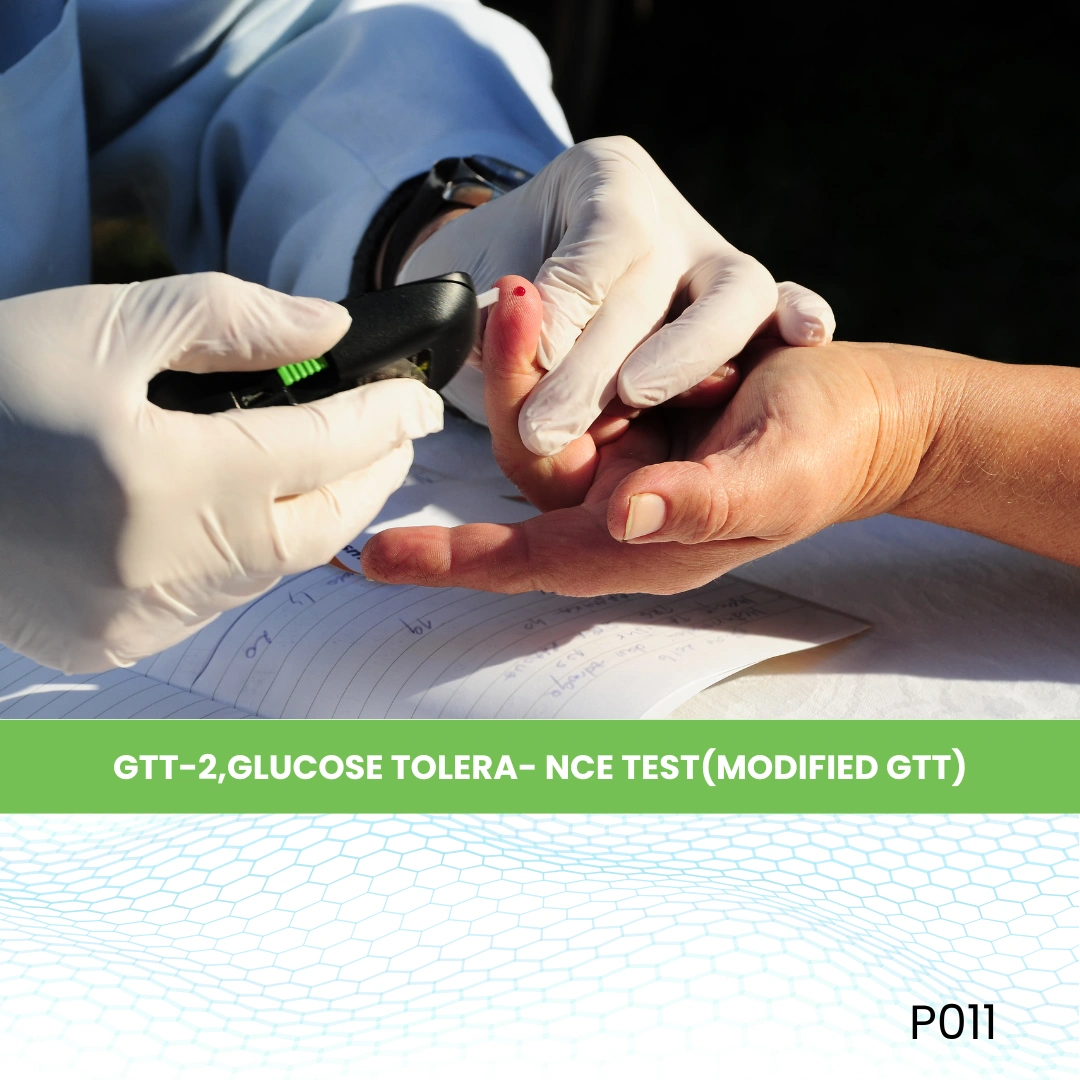
This panel is used to ensure safe pregnancy management, identify conditions that may affect the mother or fetus, and guide timely treatment. It screens for infectious diseases (HIV, hepatitis, syphilis), evaluates kidney and liver function, checks for gestational diabetes risk, and determines the mother’s blood group and antibody status. Early detection helps prevent complications such as preeclampsia, intrauterine growth restriction, or hemolytic disease of the newborn.
Symptoms or Conditions That May Lead to the Test
Although routinely ordered for all pregnant women, the panel may be particularly important if you experience fatigue, pallor, recurrent infections, high-risk pregnancy factors, previous pregnancy complications, or if you have underlying medical conditions such as diabetes, hypertension, or autoimmune disease.
Abnormal Results
Abnormal Blood Counts: May indicate anemia, infection, or clotting issues that need correction during pregnancy.
Positive Infection Markers: Could show exposure to HIV, hepatitis, syphilis, or other transmissible infections requiring treatment to reduce risks for the baby.
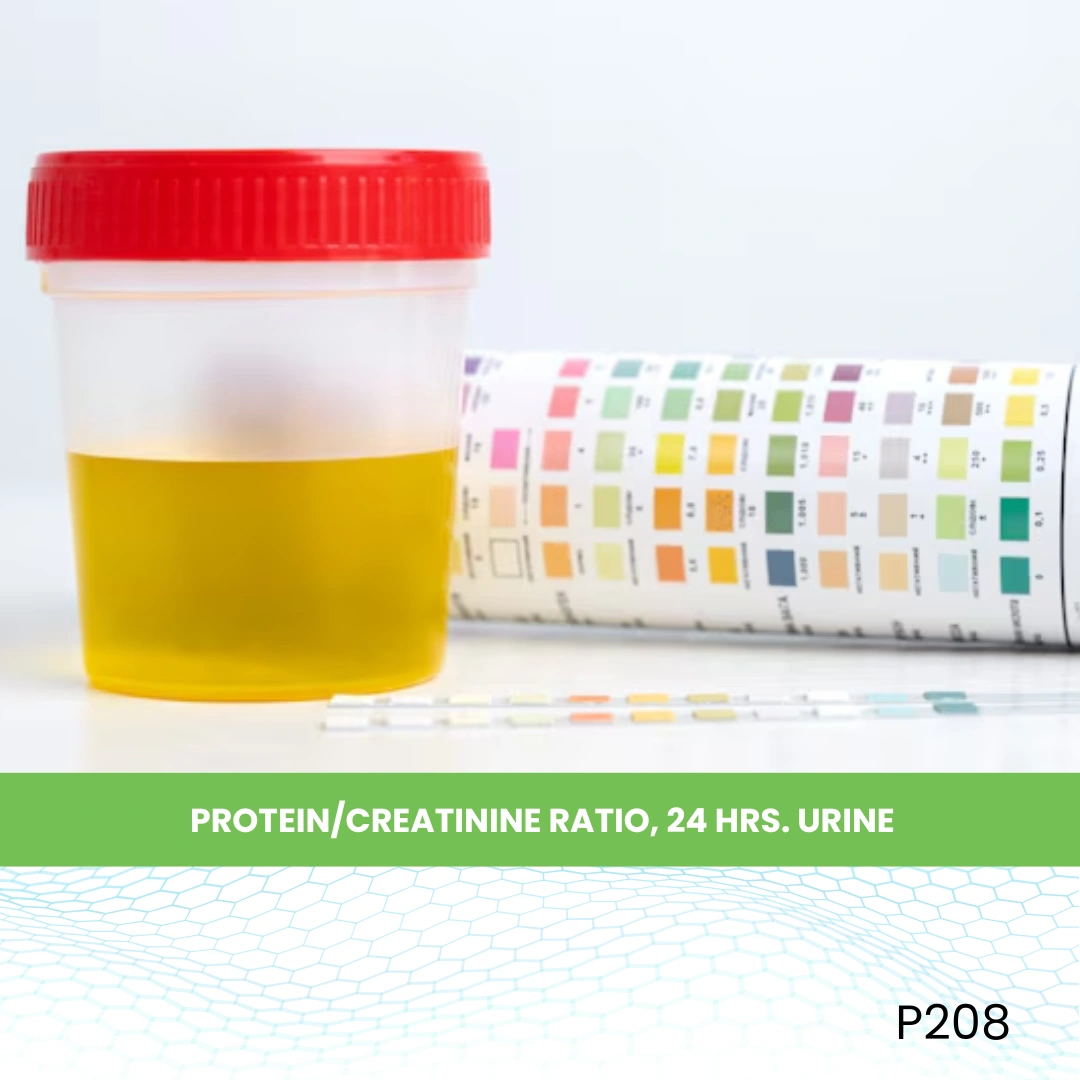
Abnormal Organ Function Tests: May suggest preeclampsia, gestational diabetes, or other systemic conditions needing closer monitoring.
Risks
The panel involves standard blood draws and urine collection, which carry minimal risks such as slight bruising or dizziness after blood sampling. The benefits of early detection and monitoring of maternal-fetal health significantly outweigh these minor risks.


Reviews
There are no reviews yet.