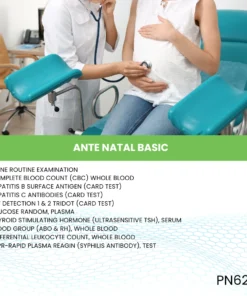
Antenatal Profile Pro
What it is
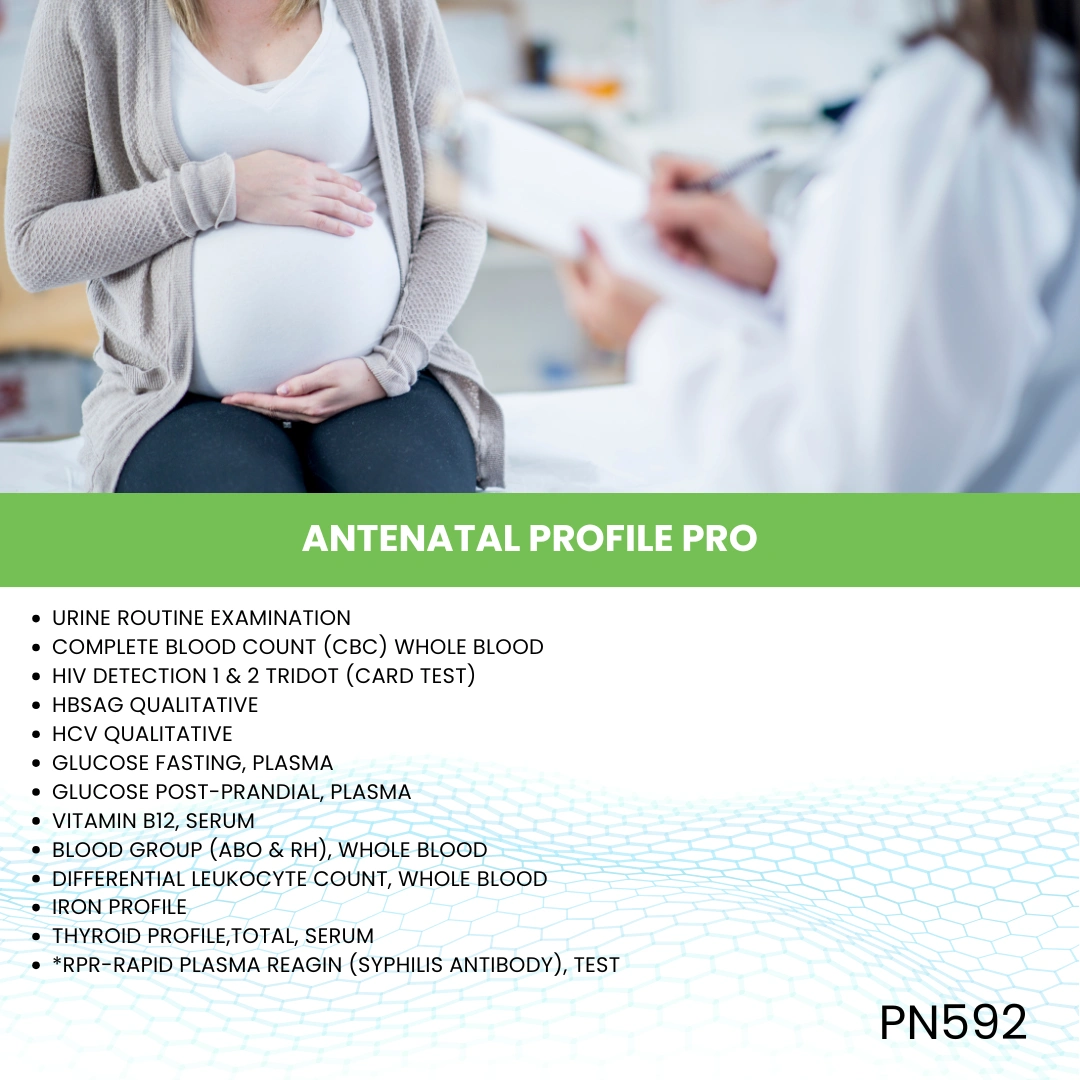
The Antenatal Profile Pro is an advanced panel of laboratory tests designed to provide a complete assessment of maternal health during pregnancy. Compared to basic antenatal profiles, the Pro package includes an expanded range of tests covering blood, urine, hormones, metabolic health, and infection screening, ensuring comprehensive monitoring of both mother and baby throughout pregnancy.
Uses
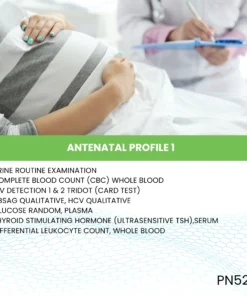
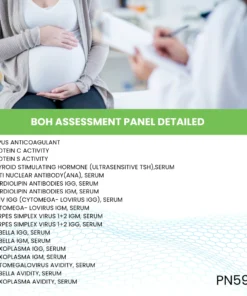
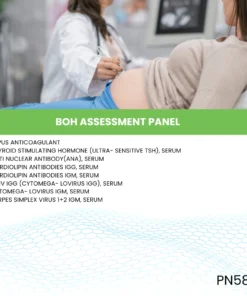
This profile is used to screen for anemia, thyroid dysfunction, diabetes, kidney and liver health, and infectious diseases that can impact pregnancy. It typically includes tests such as complete blood count (CBC), blood group & Rh typing, HIV, hepatitis B surface antigen (HBsAg), syphilis (VDRL), urine analysis, fasting or postprandial blood sugar, thyroid stimulating hormone (TSH), liver function tests, kidney function tests, and rubella IgG. Some labs may also include vitamin D, calcium, and iron studies to provide deeper insights into maternal nutrition.
Symptoms That May Lead to the Test
This test panel is recommended for all pregnant women as part of advanced prenatal screening. It is especially important if the expectant mother has a history of high-risk pregnancies, diabetes, thyroid disease, hypertension, recurrent infections, or nutritional deficiencies. Even without symptoms, it helps in early detection and prevention of complications.
Abnormal Results
Anemia (Low Hemoglobin / Iron Deficiency): May require supplements or dietary adjustments.
Positive Infections (HIV, HBsAg, VDRL): Need urgent medical management to reduce risks for mother and baby.
High Blood Sugar: Indicates gestational diabetes, requiring diet, monitoring, or medication.
Abnormal Urine Findings: Suggest urinary tract infection, kidney dysfunction, or preeclampsia.
Abnormal TSH, LFT, or KFT: Suggest thyroid, liver, or kidney dysfunction needing close medical attention.
Rubella IgG Non-Immune: Indicates susceptibility; vaccination is advised after delivery.
Risks
The profile requires blood and urine samples. Risks are minimal, including slight bruising, discomfort, or dizziness from blood collection. No long-term risks exist, and the benefits of early and accurate detection greatly outweigh any minor drawbacks.


Reviews
There are no reviews yet.