Anti-Histone Antibody
What it is
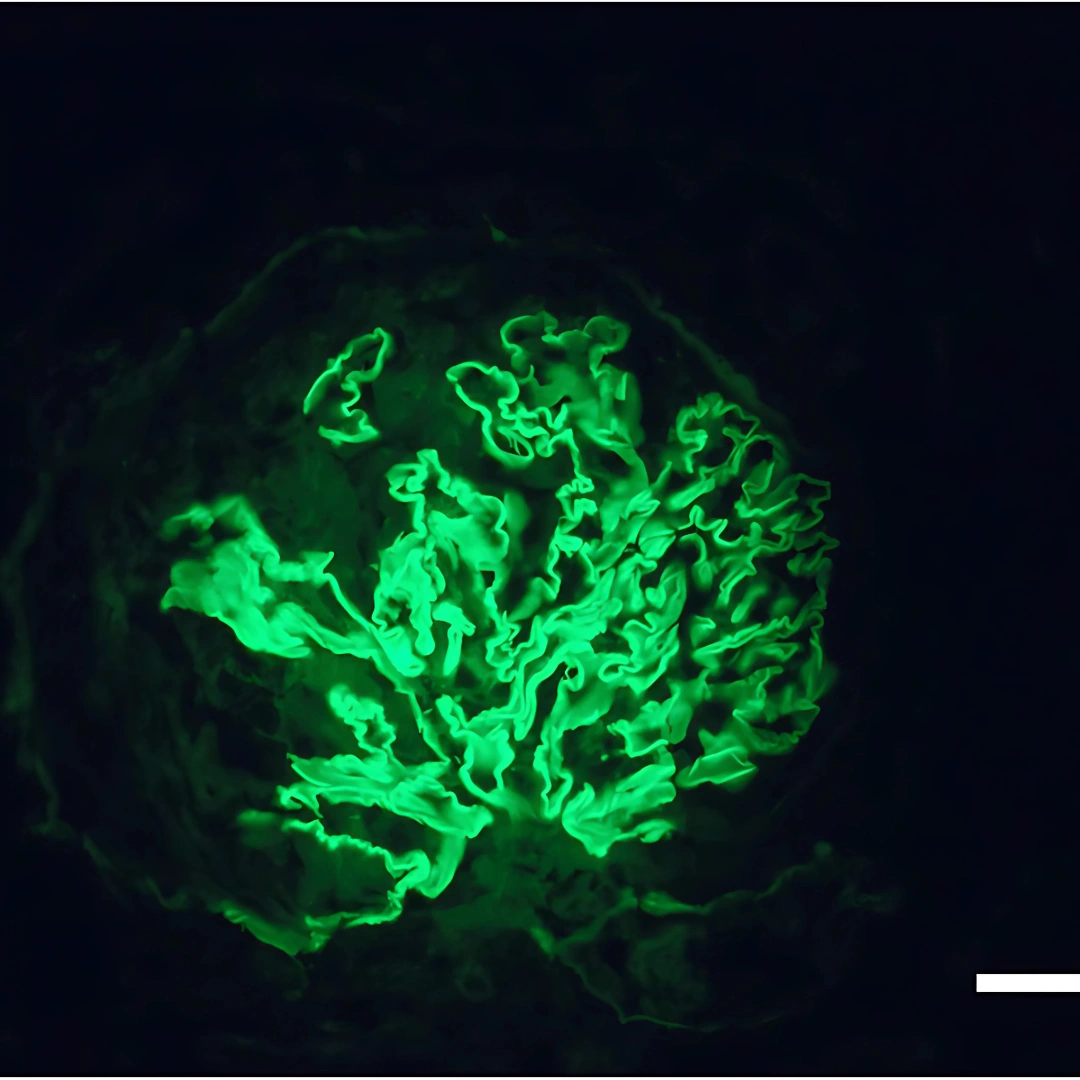
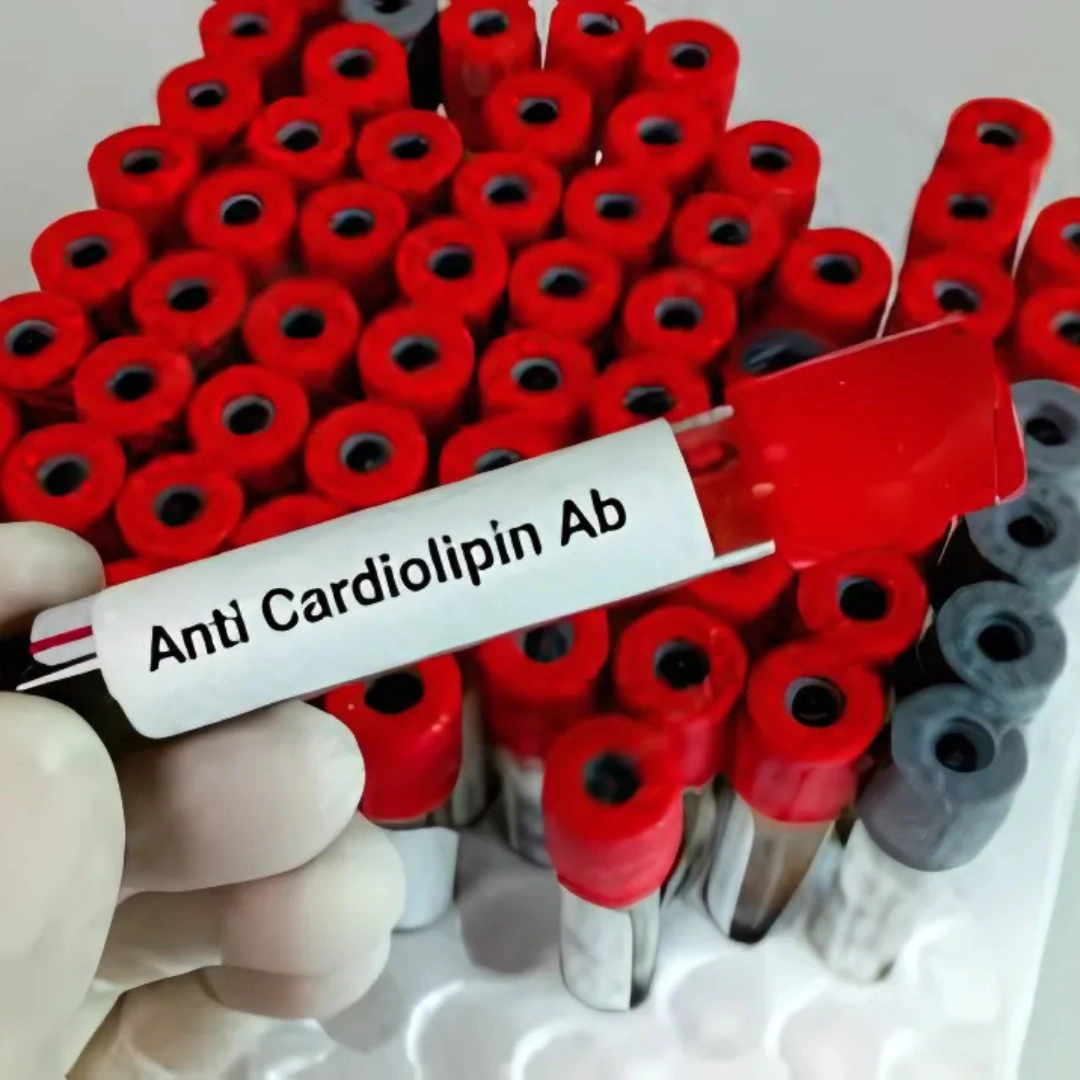
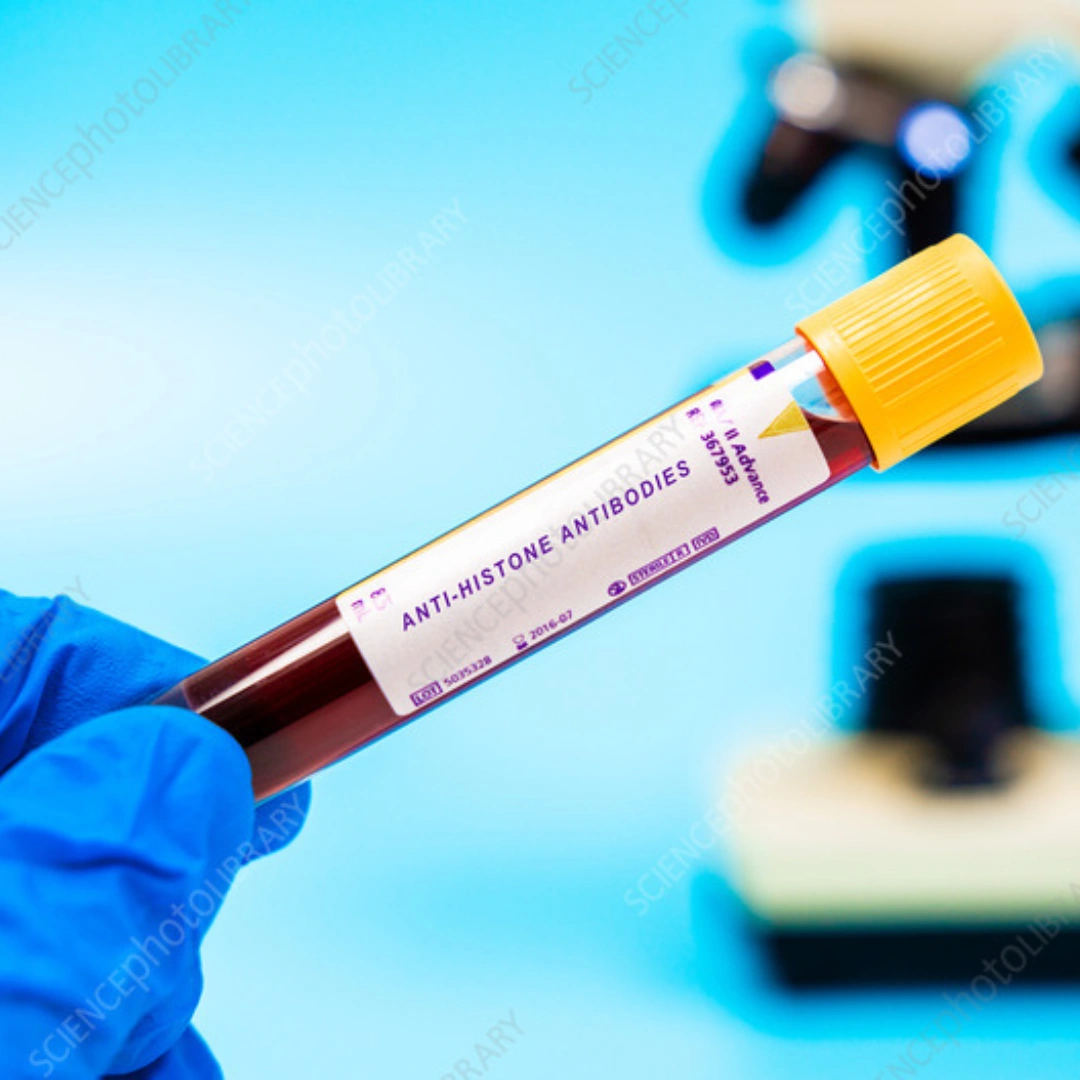
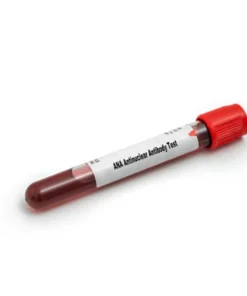
The Anti-Histone Antibody test detects autoantibodies directed against histone proteins, which are key components of chromatin in the cell nucleus. These antibodies are most strongly associated with drug-induced lupus erythematosus (DILE) but can also be present in systemic lupus erythematosus (SLE) and other autoimmune conditions. The test helps doctors distinguish between drug-induced and idiopathic lupus.
Uses
This test is primarily used to aid in the diagnosis of drug-induced lupus, a lupus-like syndrome caused by prolonged exposure to certain medications (such as hydralazine, procainamide, isoniazid, or minocycline). It can also support the evaluation of unexplained autoimmune symptoms and be used alongside other autoantibody tests, such as ANA and anti-dsDNA, in the workup of suspected lupus or related disorders.
Symptoms That May Lead to the Test
Doctors may recommend the Anti-Histone Antibody test if you have symptoms such as joint pain, muscle aches, fever, fatigue, rash, or other lupus-like symptoms—particularly if these appear after taking medications known to trigger drug-induced lupus. It may also be ordered when ANA is positive and lupus is suspected.
Abnormal Results
Positive Result: Strongly suggests drug-induced lupus if the patient has a history of exposure to associated medications. It may also be seen in idiopathic SLE, rheumatoid arthritis, or mixed connective tissue disease but is less specific in those cases.
Negative Result: Makes drug-induced lupus less likely but does not completely rule out autoimmune disease. Other antibody tests may be needed for confirmation.
Risks
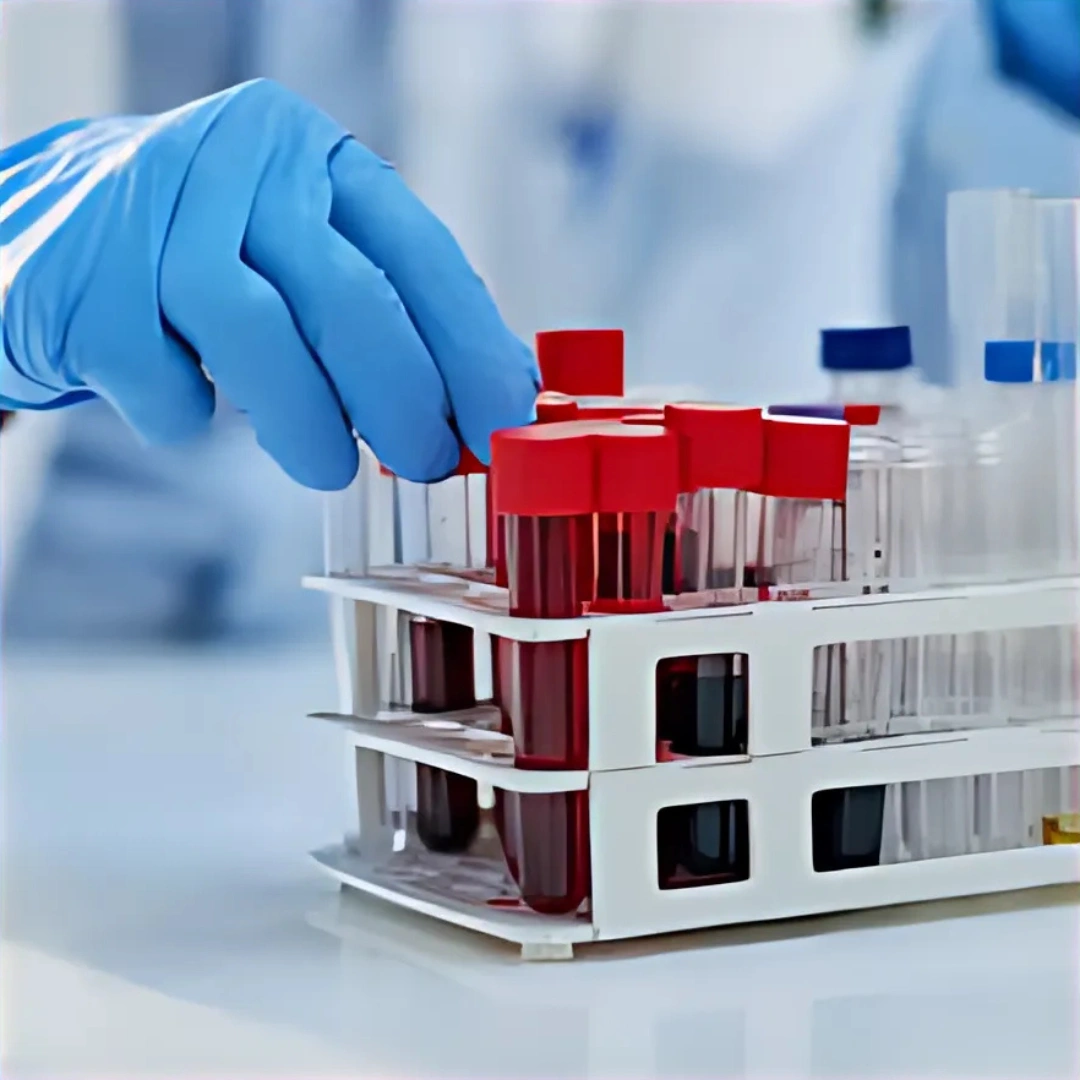
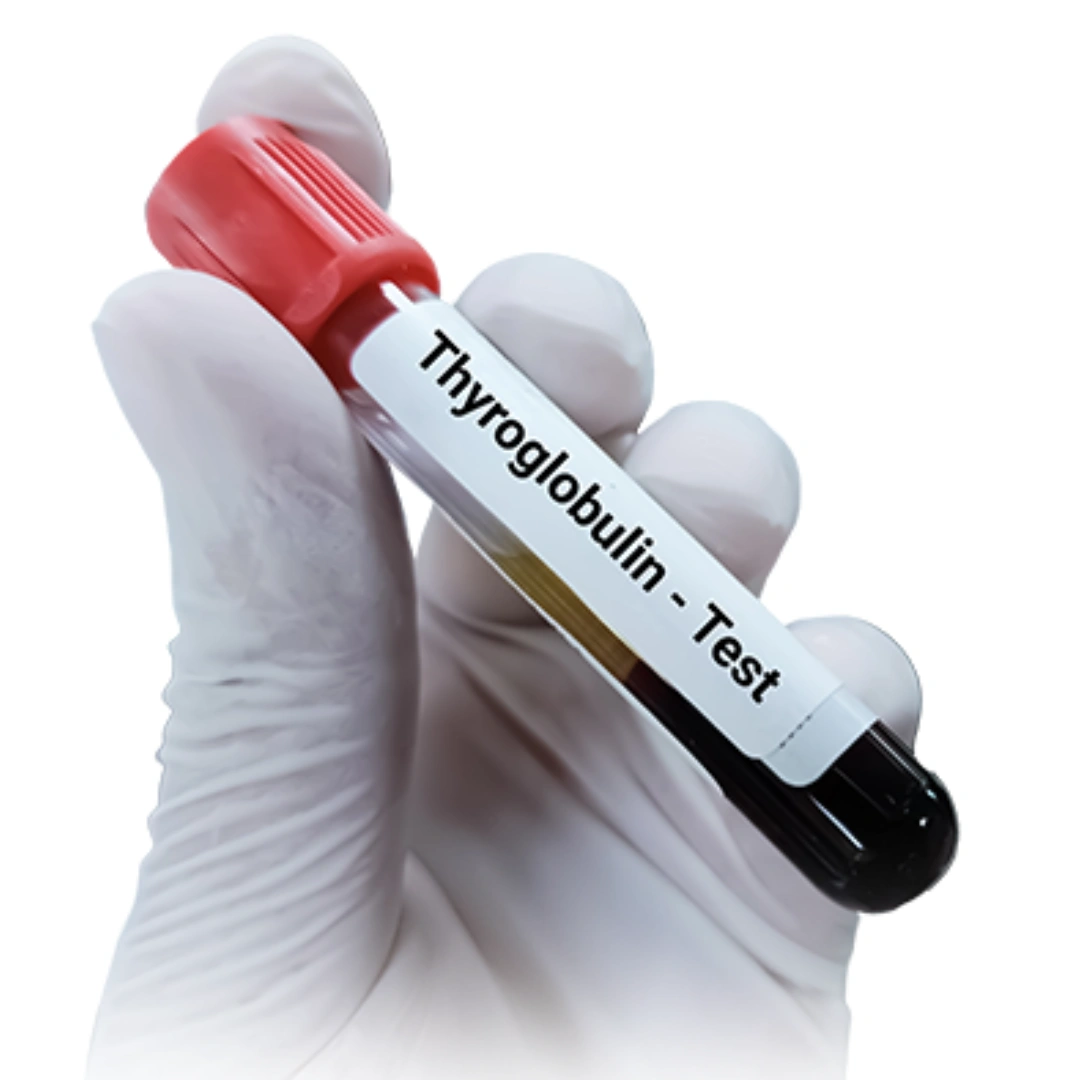
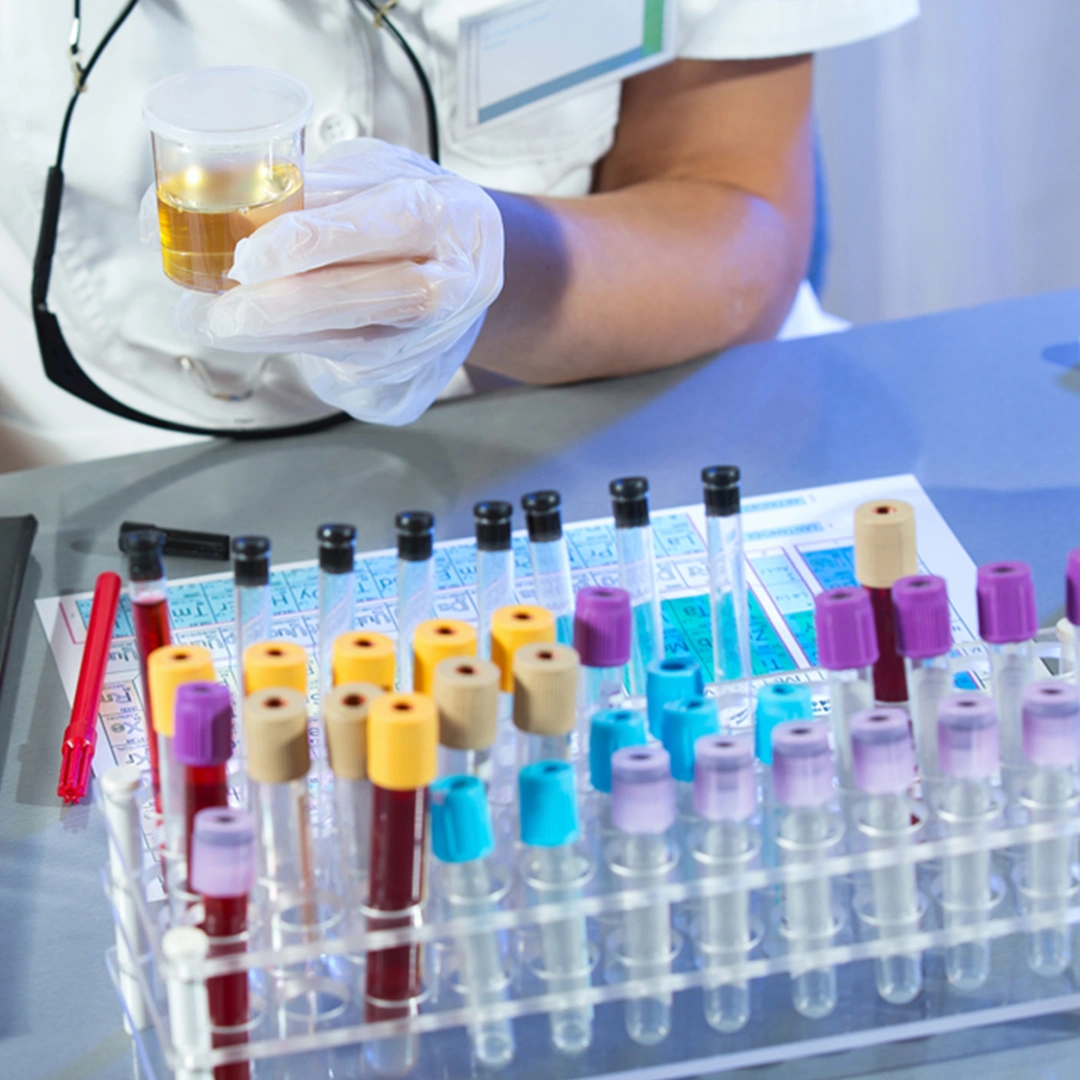
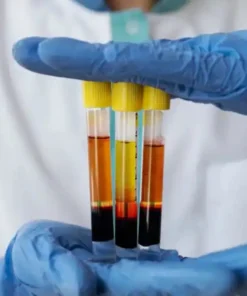
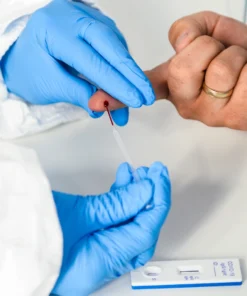
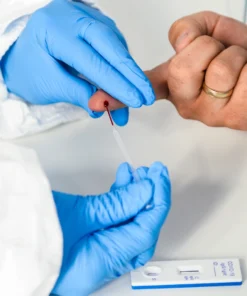
The test involves a standard blood draw, with minimal risks such as mild pain, bruising, or temporary dizziness. There are no long-term risks associated with the test.


Reviews
There are no reviews yet.