Anti-Neutrophil Cytoplasmic Antibody (ANCA) by IFA
What it is
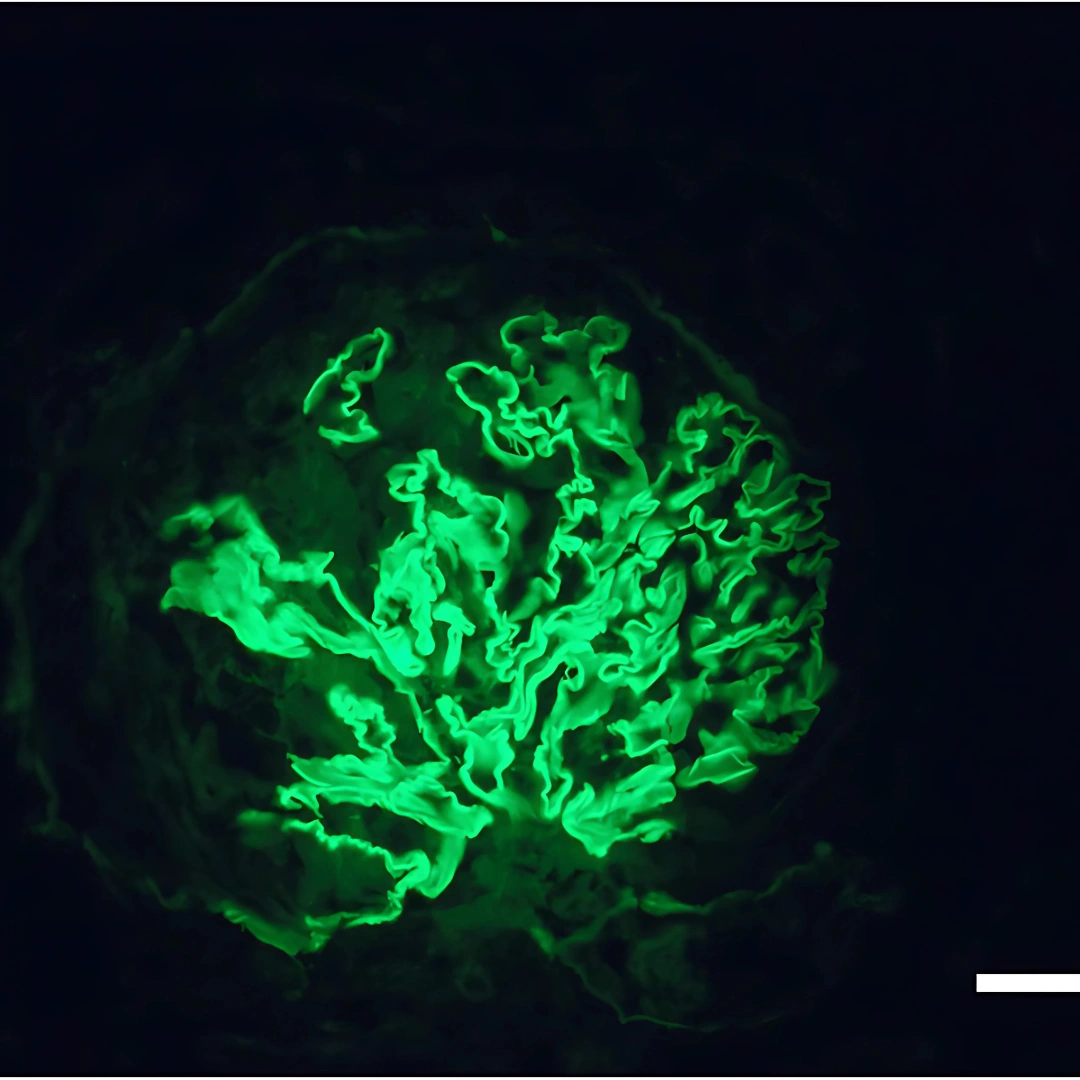
The Anti-Neutrophil Cytoplasmic Antibody (ANCA) test by Indirect Immunofluorescence Assay (IFA) is used to detect autoantibodies directed against antigens in the cytoplasm of neutrophils. ANCA testing helps identify autoimmune conditions, especially certain types of vasculitis that cause inflammation and damage to blood vessels.
Uses
This test is primarily used to diagnose and monitor autoimmune vasculitis, including Granulomatosis with Polyangiitis (GPA, formerly Wegener’s granulomatosis), Microscopic Polyangiitis (MPA), and Eosinophilic Granulomatosis with Polyangiitis (EGPA, formerly Churg-Strauss syndrome). It may also be ordered in patients with unexplained systemic inflammation, kidney disorders, or lung disease.
Symptoms That May Lead to the Test
Doctors may recommend the ANCA by IFA test if you have symptoms such as persistent sinus infections, chronic cough, blood in urine, shortness of breath, skin rashes, unexplained fevers, weight loss, or systemic signs of inflammation.
Abnormal Results
Positive ANCA: Suggests autoimmune vasculitis. Patterns identified by IFA include c-ANCA (commonly linked to GPA) and p-ANCA (more often linked to MPA or EGPA). Results should be confirmed with specific ELISA testing.
Negative ANCA: Usually rules out ANCA-associated vasculitis, though rare cases may be ANCA-negative.
Risks
The test requires a routine blood sample, so risks are minimal. Possible side effects include mild pain, bruising, or bleeding at the puncture site, and rarely dizziness or infection.


Reviews
There are no reviews yet.