Apolipoprotein-A1 (ApoA1), Serum
What it is
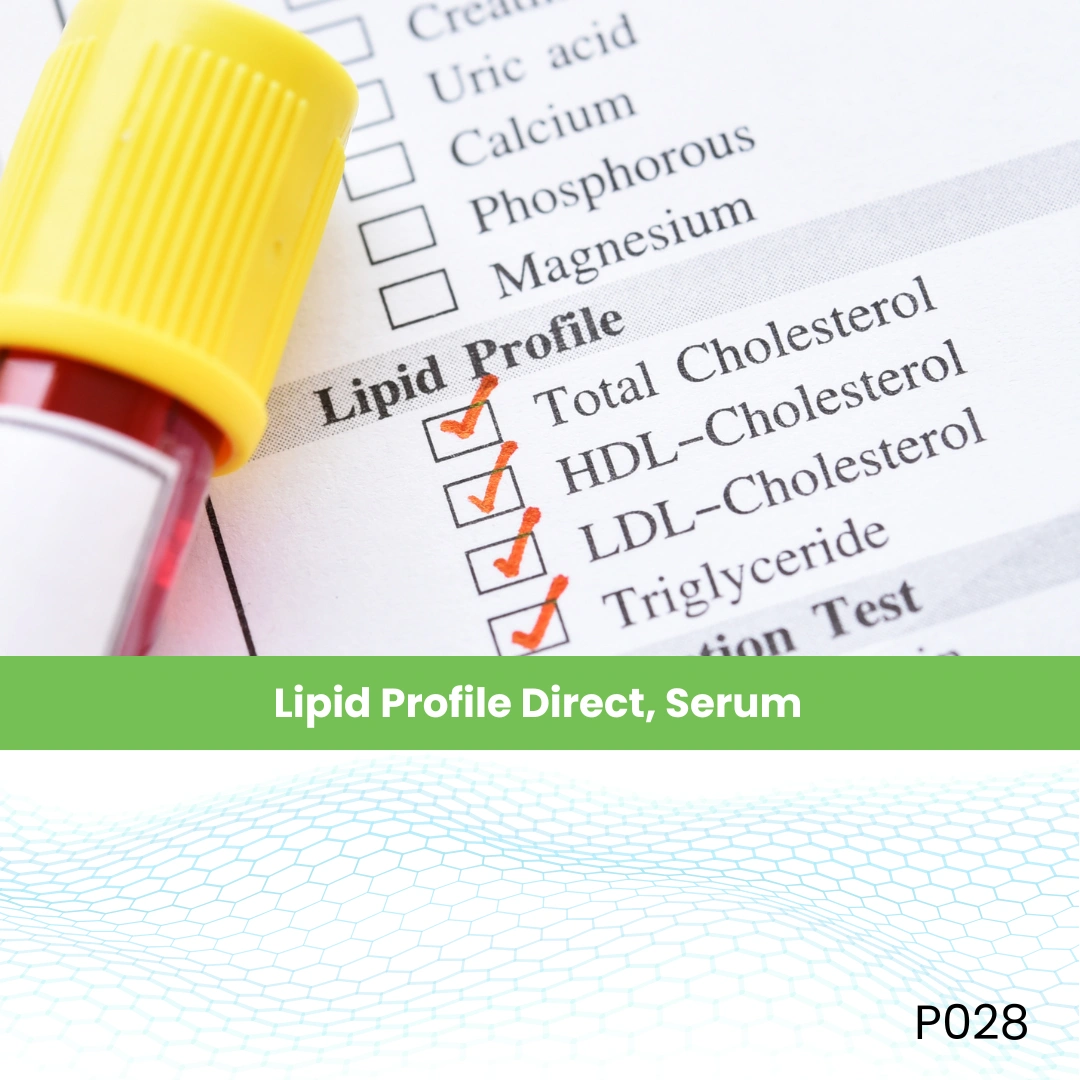
The Apolipoprotein-A1 (ApoA1) test measures the level of ApoA1 protein in the blood. ApoA1 is the main protein component of High-Density Lipoprotein (HDL) cholesterol, often referred to as “good cholesterol.” It plays a key role in transporting cholesterol from tissues back to the liver for removal, helping to protect against heart disease.
Uses
This test is used to evaluate the risk of cardiovascular disease, support the diagnosis of lipid metabolism disorders, and monitor patients with low HDL cholesterol. It can also be used alongside Apolipoprotein-B testing to calculate the ApoB/ApoA1 ratio, which provides a better assessment of heart disease risk than standard cholesterol testing alone.
Symptoms That May Lead to the Test
Doctors may order this test if a patient has a family history of heart disease, high cholesterol, premature heart attack or stroke, or symptoms of metabolic syndrome such as obesity, diabetes, or hypertension.
Abnormal Results
Low ApoA1: Associated with increased risk of coronary artery disease, low HDL cholesterol levels, Tangier disease, or other genetic lipid disorders.
High ApoA1: May indicate a reduced risk of cardiovascular disease, but levels can also rise in response to certain lifestyle factors like exercise.
Risks
The ApoA1 test is a routine blood test and carries minimal risks. Possible side effects include mild pain, bruising, or bleeding at the puncture site, and rarely dizziness or infection.


Reviews
There are no reviews yet.