APTT, Plasma Citrate
What it is
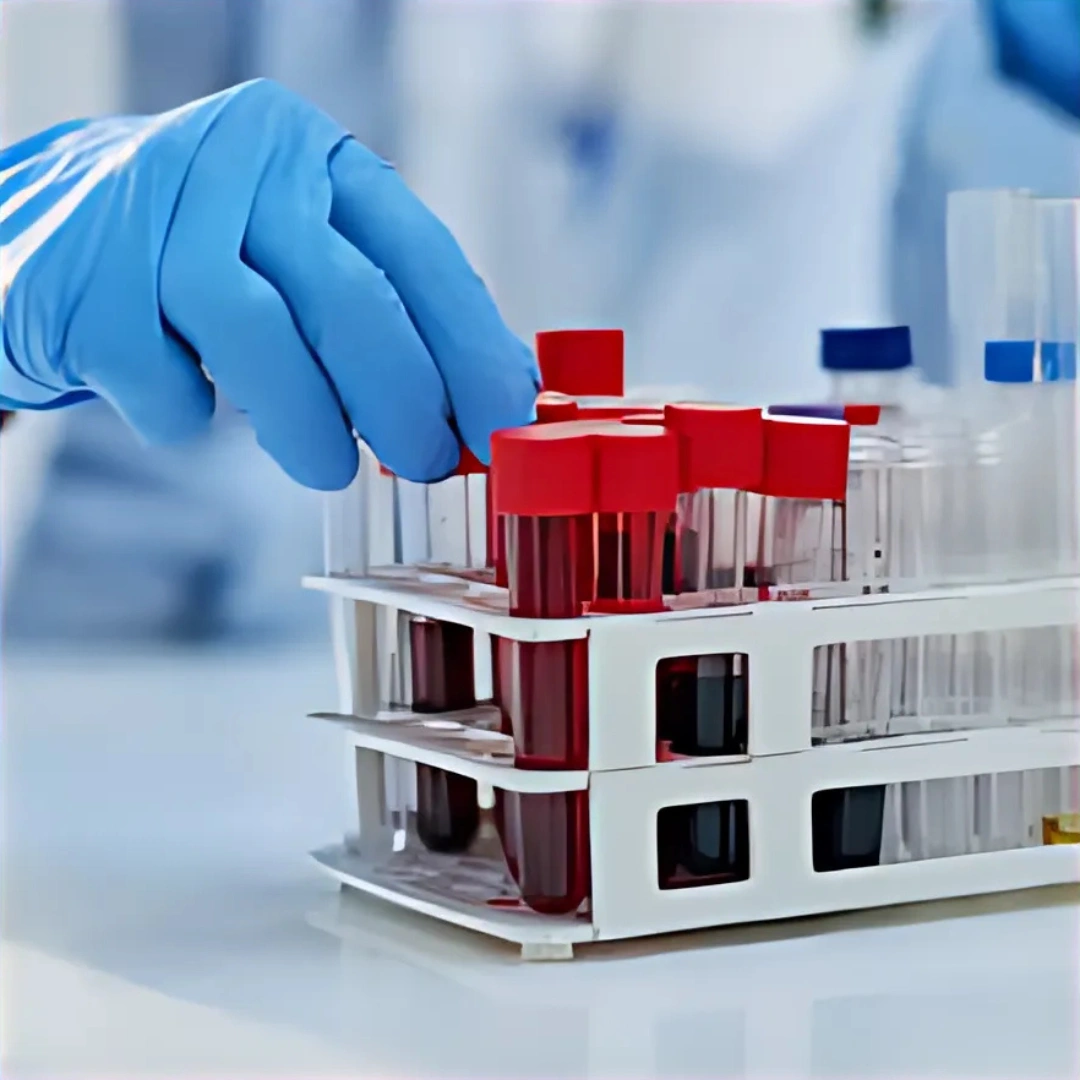
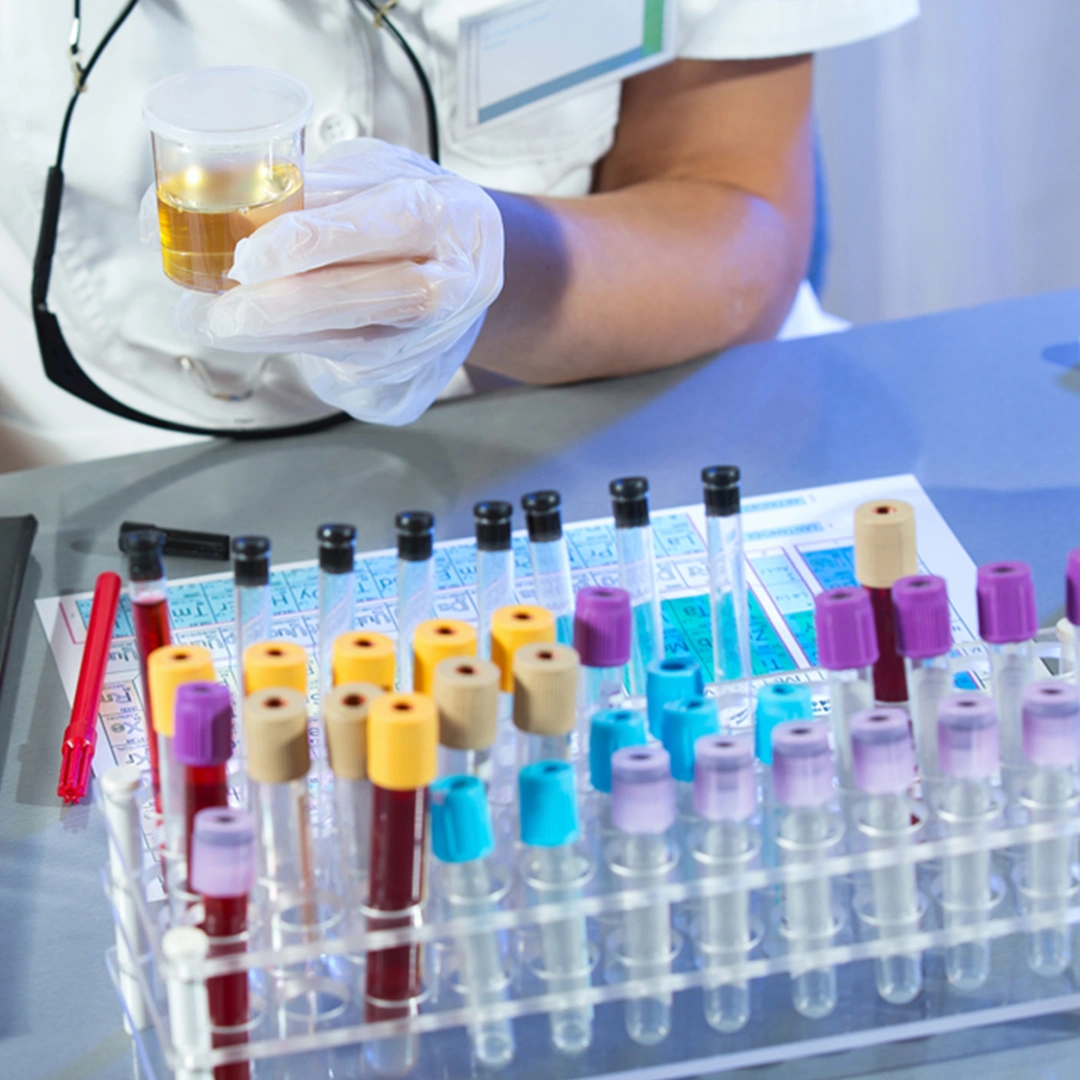
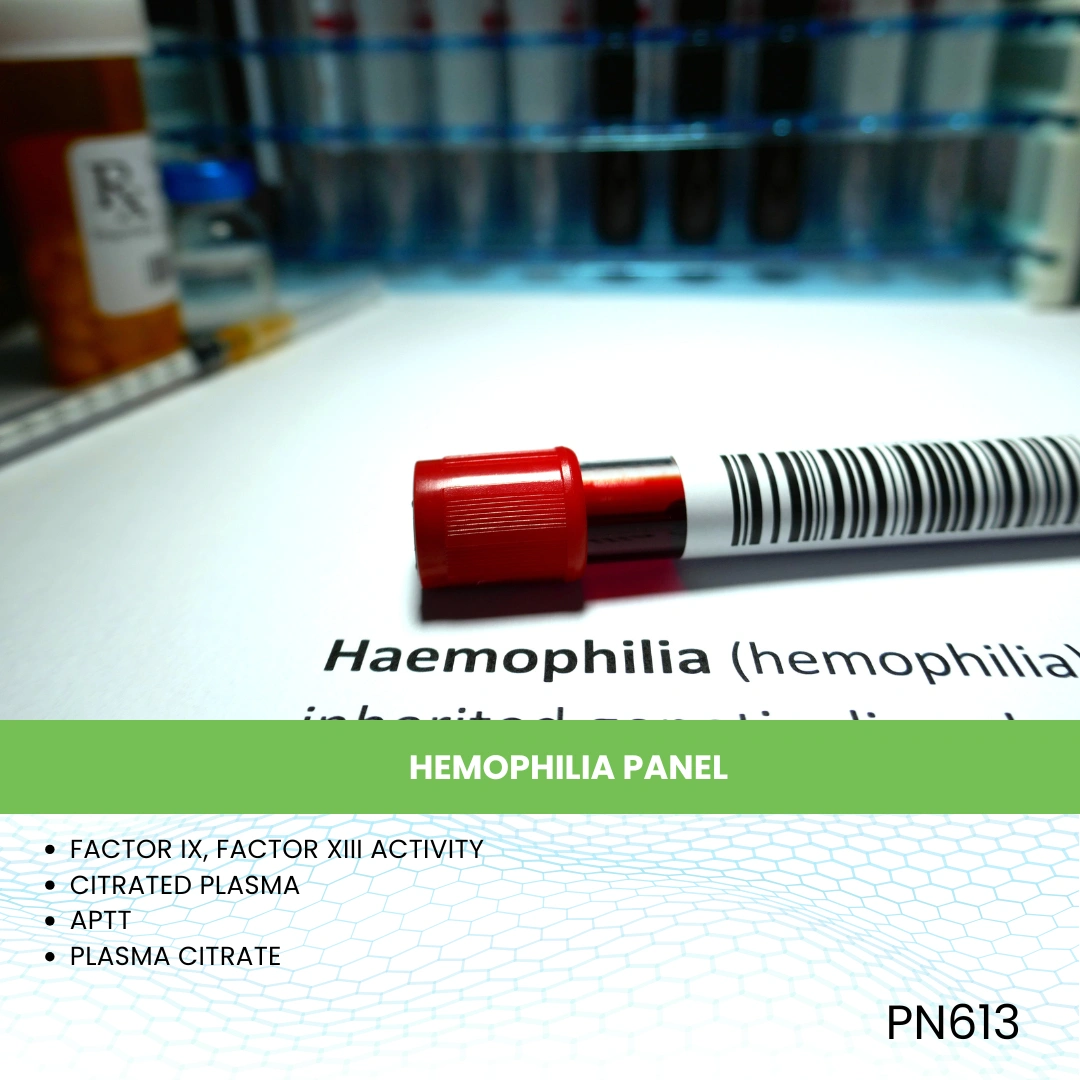
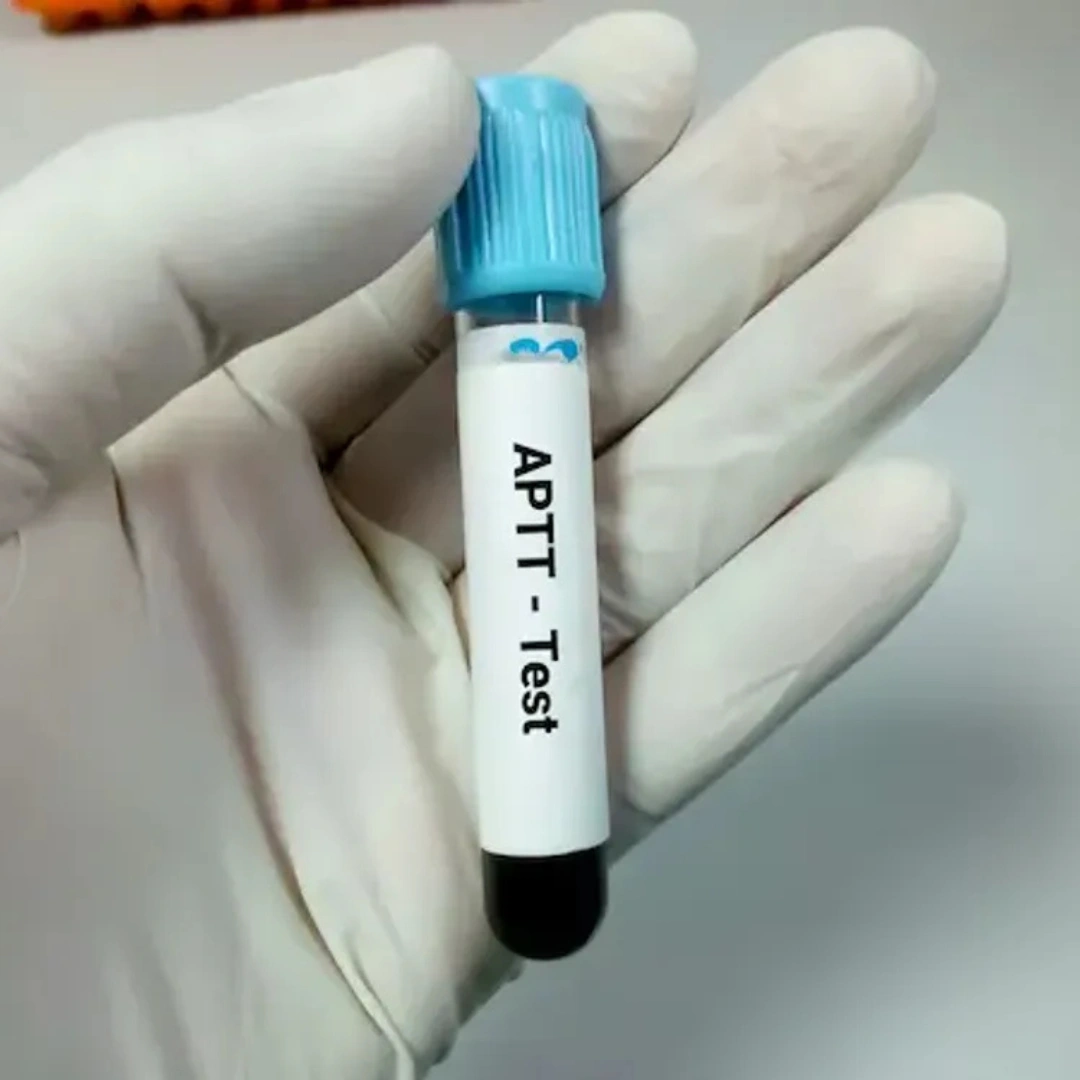
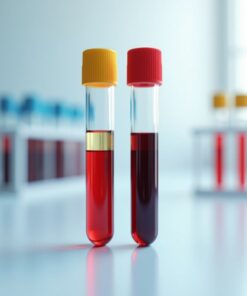
The Activated Partial Thromboplastin Time (APTT), Plasma Citrate test measures how long it takes for blood to clot. This test evaluates the function of clotting factors in the intrinsic and common coagulation pathways. Citrated plasma is used to prevent premature clotting before laboratory analysis.
Uses
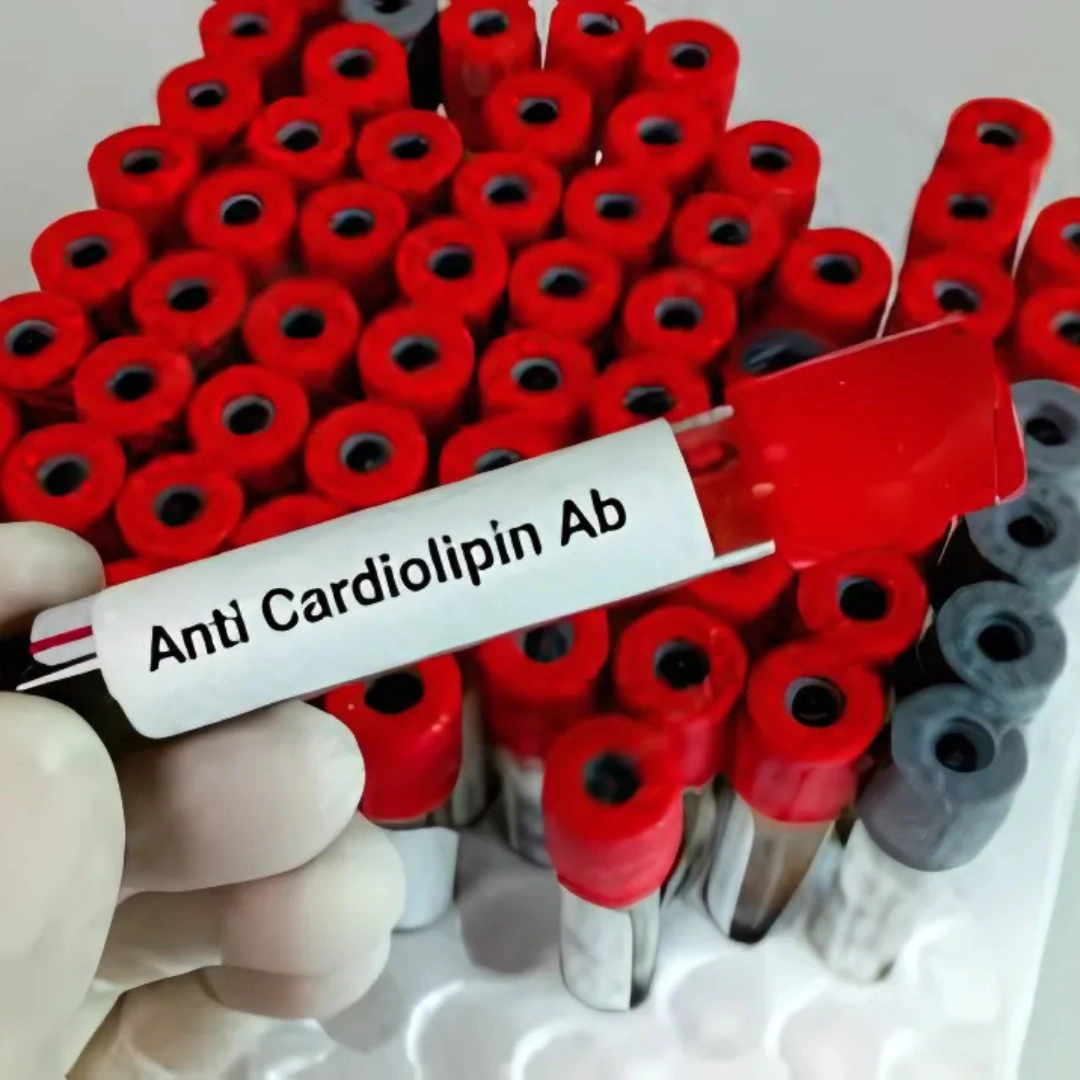
The APTT test is used to detect bleeding disorders, evaluate unexplained clotting problems, and monitor patients on heparin therapy. It is also helpful in diagnosing conditions such as hemophilia, liver disease, disseminated intravascular coagulation (DIC), and the presence of lupus anticoagulant.
Symptoms That May Lead to the Test
Doctors may recommend this test if you have unexplained bleeding, frequent nosebleeds, heavy menstrual bleeding, easy bruising, blood in urine or stool, prolonged bleeding after injury or surgery, or unexplained blood clots.
Abnormal Results
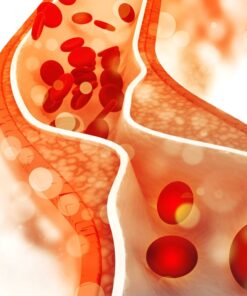
Prolonged APTT: May indicate clotting factor deficiencies (hemophilia A or B, von Willebrand disease), liver disease, vitamin K deficiency, disseminated intravascular coagulation (DIC), or heparin therapy.
Shortened APTT: Can suggest increased risk of abnormal clotting, often due to high levels of certain clotting factors or inflammation.
Risks
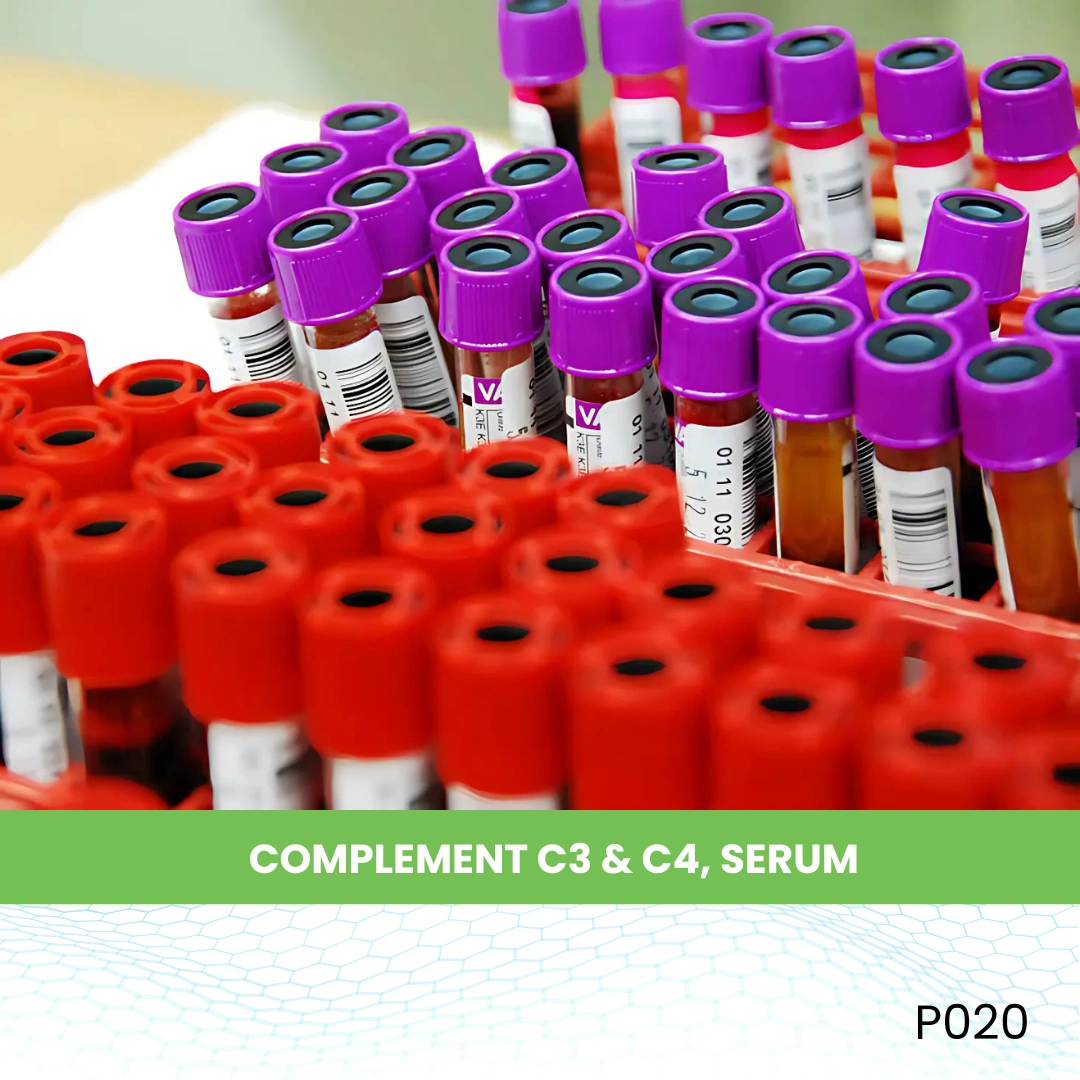
The test requires a blood sample, with minimal risks involved. Possible side effects include mild pain, bruising, or bleeding at the puncture site. Rarely, dizziness or infection may occur.


Reviews
There are no reviews yet.