Ascitic/Peritoneal Fluid, Routine Examination
What it is
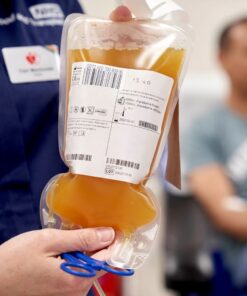
The Ascitic/Peritoneal Fluid Routine Examination is a diagnostic test performed on the fluid collected from the peritoneal cavity (the space around abdominal organs). This test helps determine the cause of fluid buildup, known as ascites, which is commonly associated with liver disease, infections, cancers, or other medical conditions.
Uses
This test is used to evaluate the underlying cause of ascites, differentiate between transudative and exudative fluid, detect infections such as spontaneous bacterial peritonitis, and identify malignant cells or other abnormalities. It also helps monitor patients with chronic liver disease or abdominal cancers.
Symptoms That May Lead to the Test
Doctors may recommend this test if you have symptoms such as abdominal swelling, discomfort or pain, shortness of breath due to fluid pressure, loss of appetite, unexplained weight gain, jaundice, or a history of chronic liver disease or cancer.
Abnormal Results
Abnormal Findings May Indicate:
– High protein content: Suggestive of infection, cancer, or inflammation.
– Low protein content: Often linked to cirrhosis or congestive heart failure.
– Presence of bacteria or white blood cells: Indicates infection such as peritonitis.
– Malignant cells: Suggestive of abdominal or metastatic cancer.
Risks
The test requires fluid collection through a procedure called paracentesis. Risks are minimal but may include mild pain, bruising, bleeding, infection at the puncture site, or very rarely injury to nearby organs.


Reviews
There are no reviews yet.