Autoimmune Encephalitis Panel
What it is
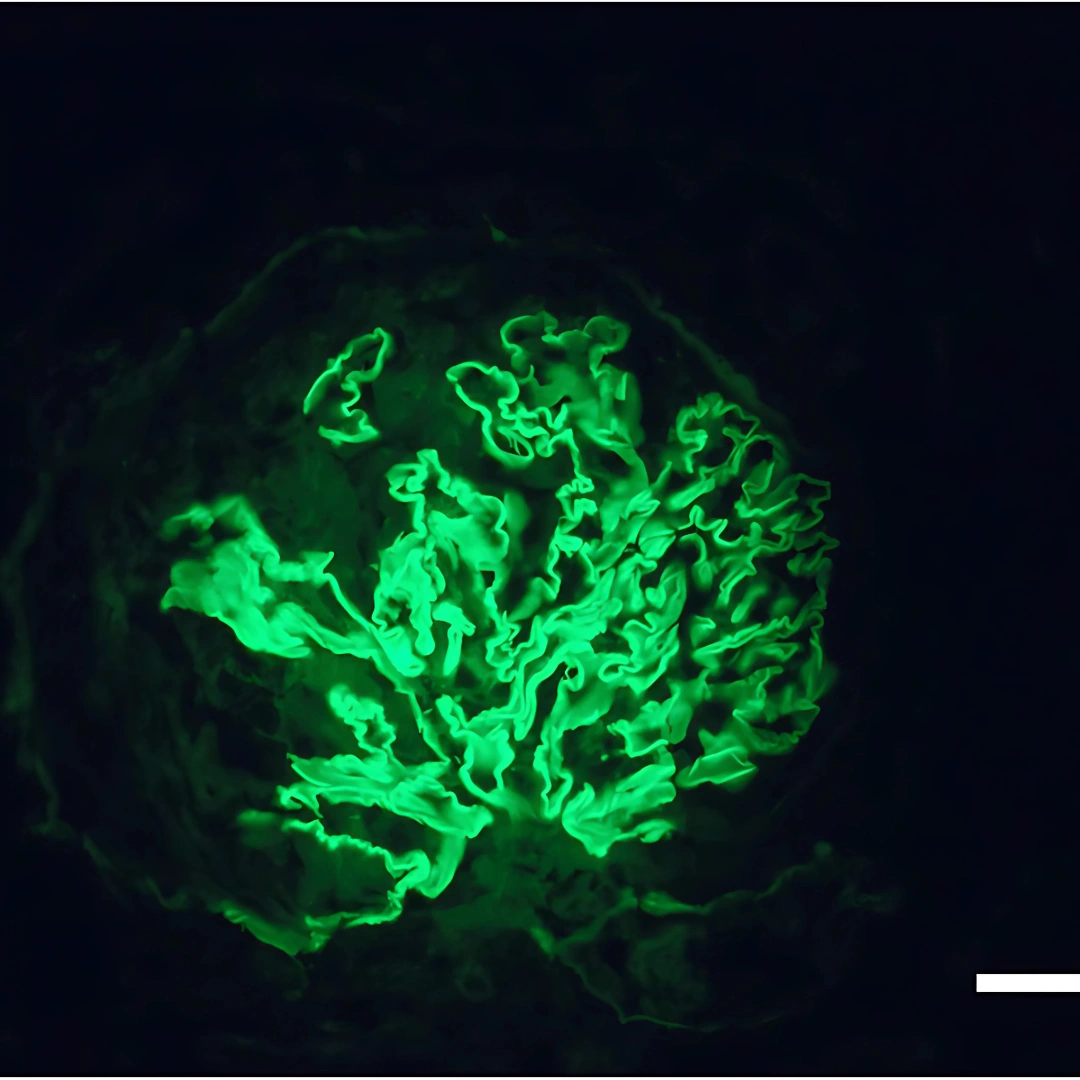
The Autoimmune Encephalitis Panel is a diagnostic blood or cerebrospinal fluid (CSF) test that detects antibodies targeting proteins and receptors in the brain. These autoantibodies attack the nervous system, leading to inflammation of the brain known as autoimmune encephalitis. The panel helps identify the specific antibody causing the condition.
Uses
This test is used to diagnose autoimmune encephalitis, differentiate it from infectious encephalitis, and guide treatment decisions. It is also helpful in detecting underlying cancers that may trigger paraneoplastic autoimmune encephalitis.
Symptoms That May Lead to the Test
Doctors may order this test if a patient has unexplained neurological or psychiatric symptoms such as memory loss, confusion, seizures, abnormal movements, psychosis, personality changes, or rapid cognitive decline. It is often considered when routine tests fail to explain the symptoms.
Abnormal Results
Positive Results: The presence of specific antibodies (such as NMDA receptor, LGI1, CASPR2, AMPA, or GABA antibodies) confirms autoimmune encephalitis and may suggest a possible associated tumor (paraneoplastic syndrome).
Negative Results: No autoantibodies detected. This does not fully rule out autoimmune encephalitis, as some cases may be antibody-negative but still present with clinical features.
Risks
The test itself involves either a blood draw or a lumbar puncture (for CSF). Blood draws carry minimal risks such as mild pain, bruising, or dizziness. A lumbar puncture may rarely cause headaches, back pain, or infection.


Reviews
There are no reviews yet.