Autoimmune Encephalitis Panel – CSF
What it is
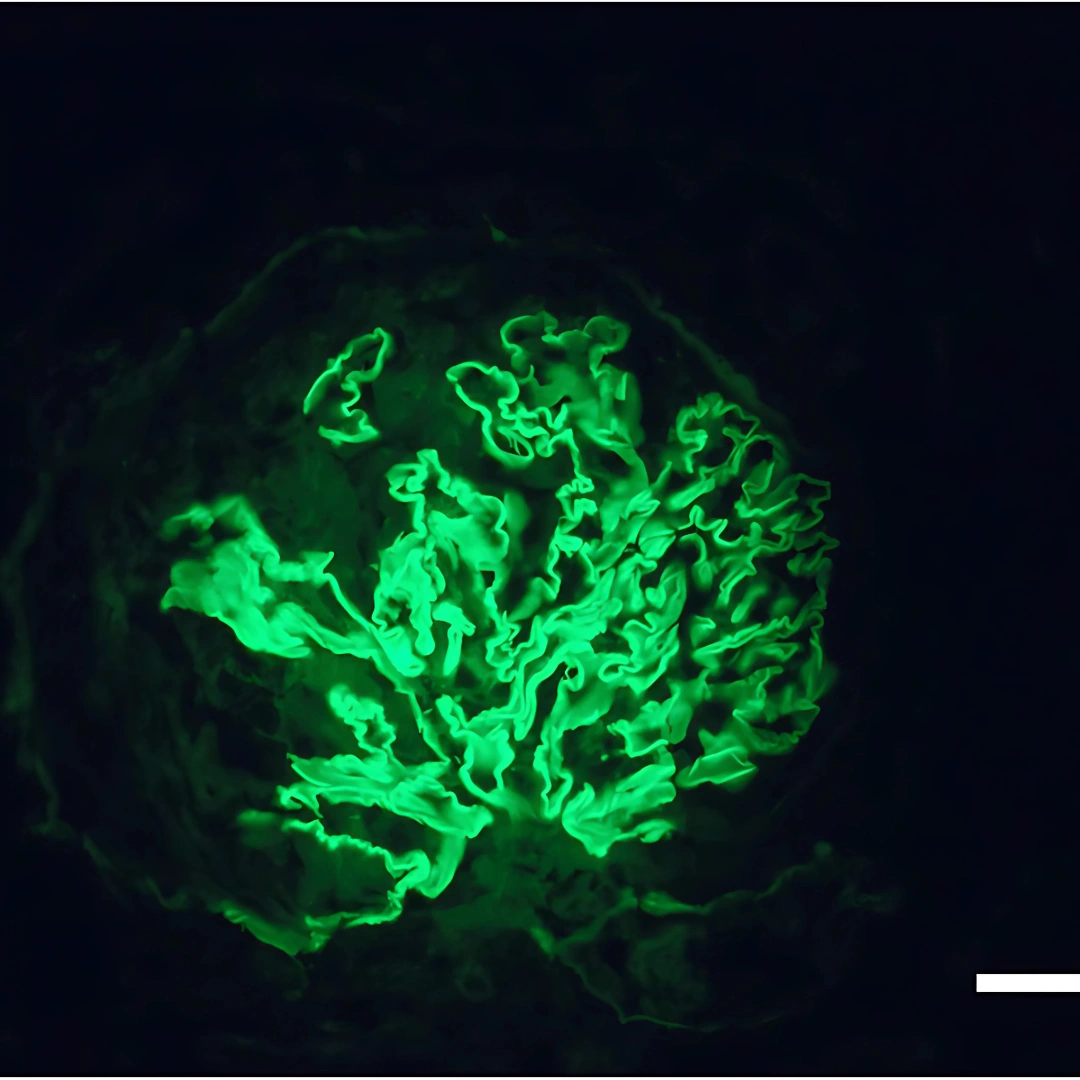
The Autoimmune Encephalitis Panel (CSF) is a laboratory test performed on cerebrospinal fluid to detect specific autoantibodies linked to autoimmune encephalitis. These antibodies attack brain proteins and can cause inflammation of the brain, leading to neurological and psychiatric symptoms. The test helps identify the exact antibody subtype to guide treatment and prognosis.
Uses
This test is used to diagnose autoimmune encephalitis, differentiate it from infectious or psychiatric conditions, identify antibody-specific subtypes (such as anti-NMDA receptor, AMPA, GABA, LGI1, CASPR2), and guide immunotherapy or cancer screening in paraneoplastic syndromes.
Symptoms That May Lead to the Test
Doctors may order this test for patients showing symptoms such as seizures, memory loss, confusion, psychosis, abnormal movements, rapid cognitive decline, or unexplained psychiatric symptoms. It is especially recommended when MRI or EEG results suggest encephalitis but infections are ruled out.
Abnormal Results
Positive Result: Indicates the presence of autoimmune antibodies in CSF, confirming autoimmune encephalitis. Specific antibodies help determine the type, treatment plan, and prognosis.
Negative Result: Suggests no detectable autoimmune antibodies, but it does not completely rule out autoimmune encephalitis. Clinical correlation with serum testing, MRI, and other diagnostics is often required.
Risks
The test requires collection of cerebrospinal fluid through lumbar puncture. Risks may include mild pain, headache, or discomfort at the puncture site. Rare complications include infection, bleeding, or persistent headache.


Reviews
There are no reviews yet.