Bacterial Meningitis Panel 5 Antigen, CSF
What it is
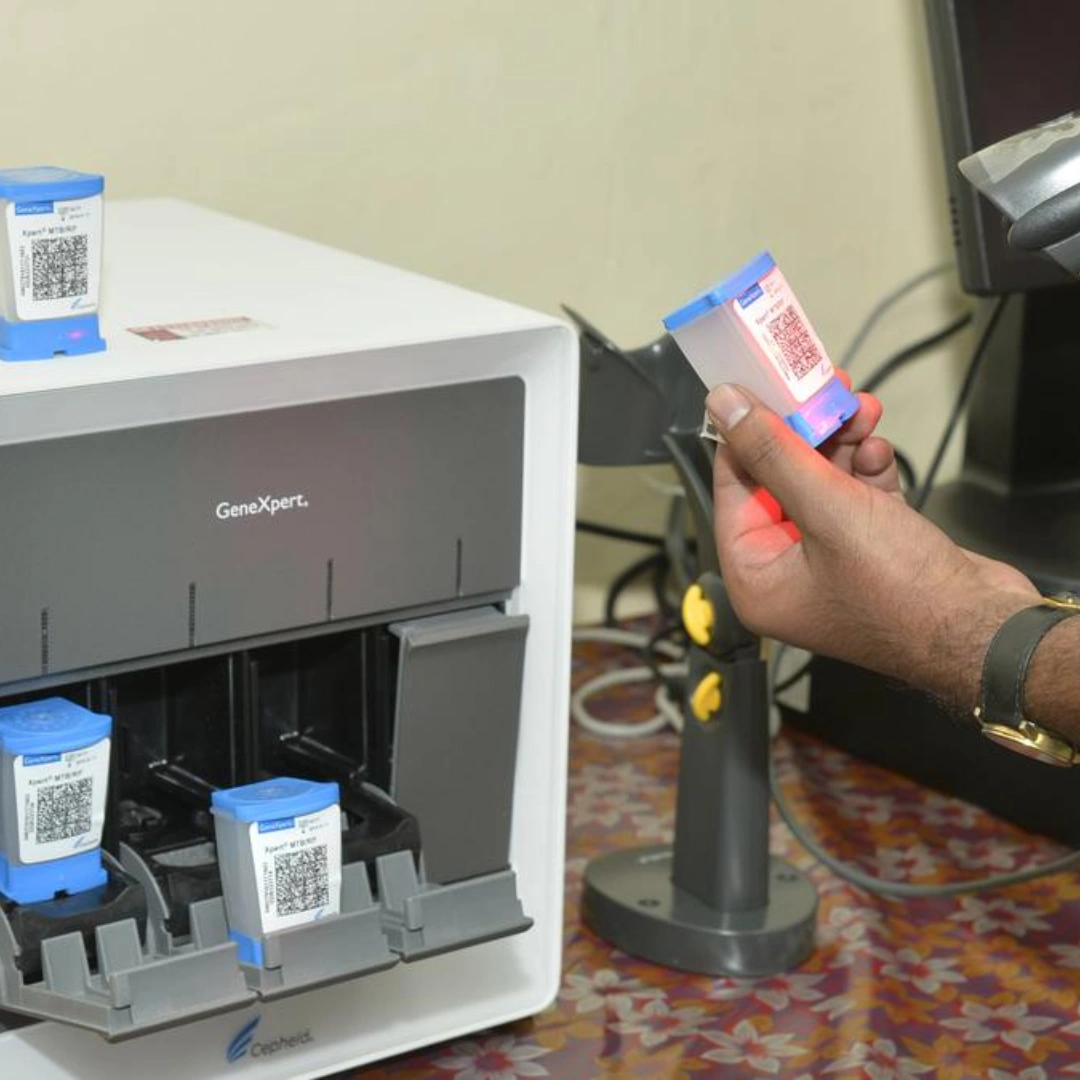
The Bacterial Meningitis Panel 5 Antigen, CSF test detects five common bacterial antigens in cerebrospinal fluid (CSF). It helps quickly identify the cause of bacterial meningitis, a life-threatening infection of the membranes surrounding the brain and spinal cord.
Uses
This test is used to rapidly diagnose bacterial meningitis, differentiate between bacterial and viral causes of meningitis, and guide immediate treatment decisions. Early detection is crucial to reduce complications and mortality.
Symptoms That May Lead to the Test
Doctors may order this test if a patient has symptoms such as severe headache, fever, stiff neck, nausea, vomiting, sensitivity to light (photophobia), confusion, or seizures. It is especially urgent in children, infants, and immunocompromised individuals.
Abnormal Results
Positive Result: Confirms the presence of bacterial antigens, suggesting meningitis caused by organisms such as Neisseria meningitidis, Haemophilus influenzae, Streptococcus pneumoniae, Group B Streptococcus, or Escherichia coli.
Negative Result: Suggests absence of these five bacteria. However, other pathogens or early-stage infections may not be detected, so results should be interpreted with clinical findings and other lab tests.
Risks
The test itself carries no risk, as it is performed on cerebrospinal fluid collected through a lumbar puncture. Risks of lumbar puncture include mild back pain, headache, bleeding, or very rarely infection at the puncture site.


Reviews
There are no reviews yet.