Beta hCG Free, Serum
What it is
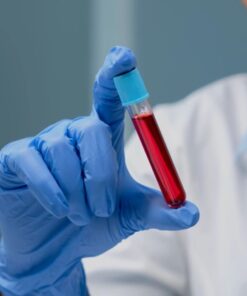
The Beta hCG Free, Serum test measures the level of free beta subunit of human chorionic gonadotropin (hCG) in the blood. hCG is a hormone produced during pregnancy by the placenta, and the free beta subunit is particularly useful in assessing certain pregnancy conditions and screening for chromosomal abnormalities.
Uses
This test is commonly used in first-trimester prenatal screening to evaluate the risk of chromosomal abnormalities such as Down syndrome (Trisomy 21) and Edwards syndrome (Trisomy 18). It may also be used in combination with other tests like PAPP-A and ultrasound (nuchal translucency) as part of the double or combined screening test.
Symptoms That May Lead to the Test
The test is usually ordered as part of routine prenatal care between 10 to 14 weeks of pregnancy. It may be recommended for women with advanced maternal age, family history of genetic disorders, or abnormal ultrasound findings.
Abnormal Results
High free Beta hCG: May indicate an increased risk of Down syndrome or multiple pregnancies.
Low free Beta hCG: May be associated with Edwards syndrome, miscarriage risk, or other chromosomal abnormalities.
Results must be interpreted along with other tests and clinical findings for accurate risk assessment.
Risks
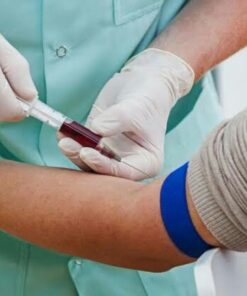
This is a routine blood test with minimal risks. Possible side effects include mild pain, bruising, or bleeding at the puncture site, and rarely dizziness or infection. The test poses no risk to the fetus.


Reviews
There are no reviews yet.