Bicarbonate, Serum
What it is
The Bicarbonate Serum test measures the level of bicarbonate (HCO₃⁻) in the blood. Bicarbonate is an important component of the body’s acid-base balance, helping maintain proper pH levels. It is produced mainly by the kidneys and works as a buffer to regulate carbon dioxide and acid levels in the blood.
Uses
This test is commonly used to evaluate electrolyte balance, acid-base disorders, and overall kidney and lung function. It helps diagnose metabolic acidosis, metabolic alkalosis, respiratory disorders, and conditions affecting fluid balance.
Symptoms That May Lead to the Test
Doctors may recommend a bicarbonate test if you experience unexplained fatigue, shortness of breath, prolonged vomiting or diarrhea, confusion, weakness, or signs of kidney or lung disease. It is also often included in routine metabolic panels.
Abnormal Results
High Bicarbonate: May indicate metabolic alkalosis, chronic lung diseases (COPD), Cushing’s syndrome, or excess vomiting and dehydration.
Low Bicarbonate: Suggests metabolic acidosis, kidney disease, diabetic ketoacidosis, severe infections, or prolonged diarrhea.
Risks
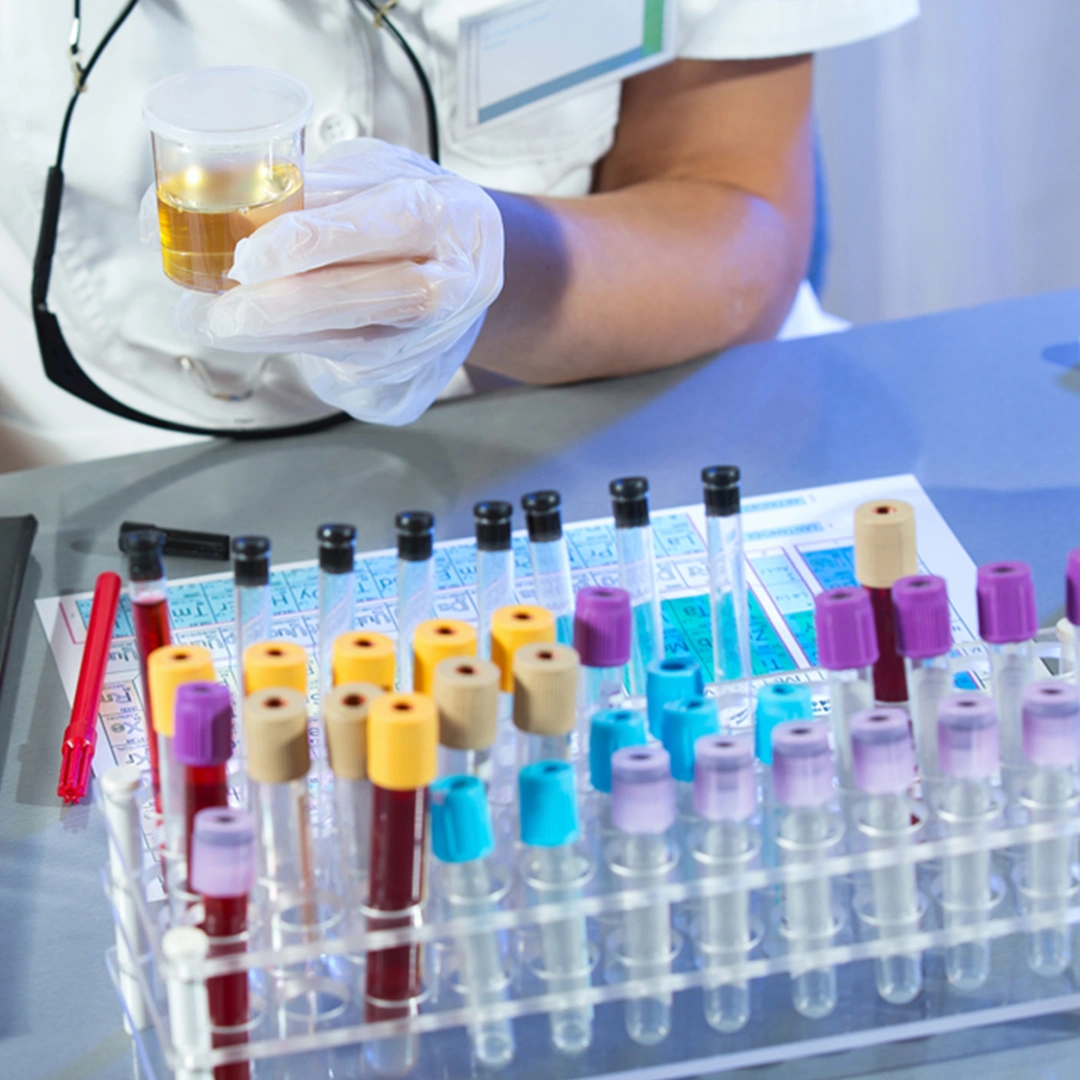
The bicarbonate serum test is a routine blood test with minimal risks. Possible side effects include mild pain, bruising, or bleeding at the puncture site, and in rare cases dizziness or infection.


Reviews
There are no reviews yet.