Blood Group (ABO & Rh), Whole Blood
What it is
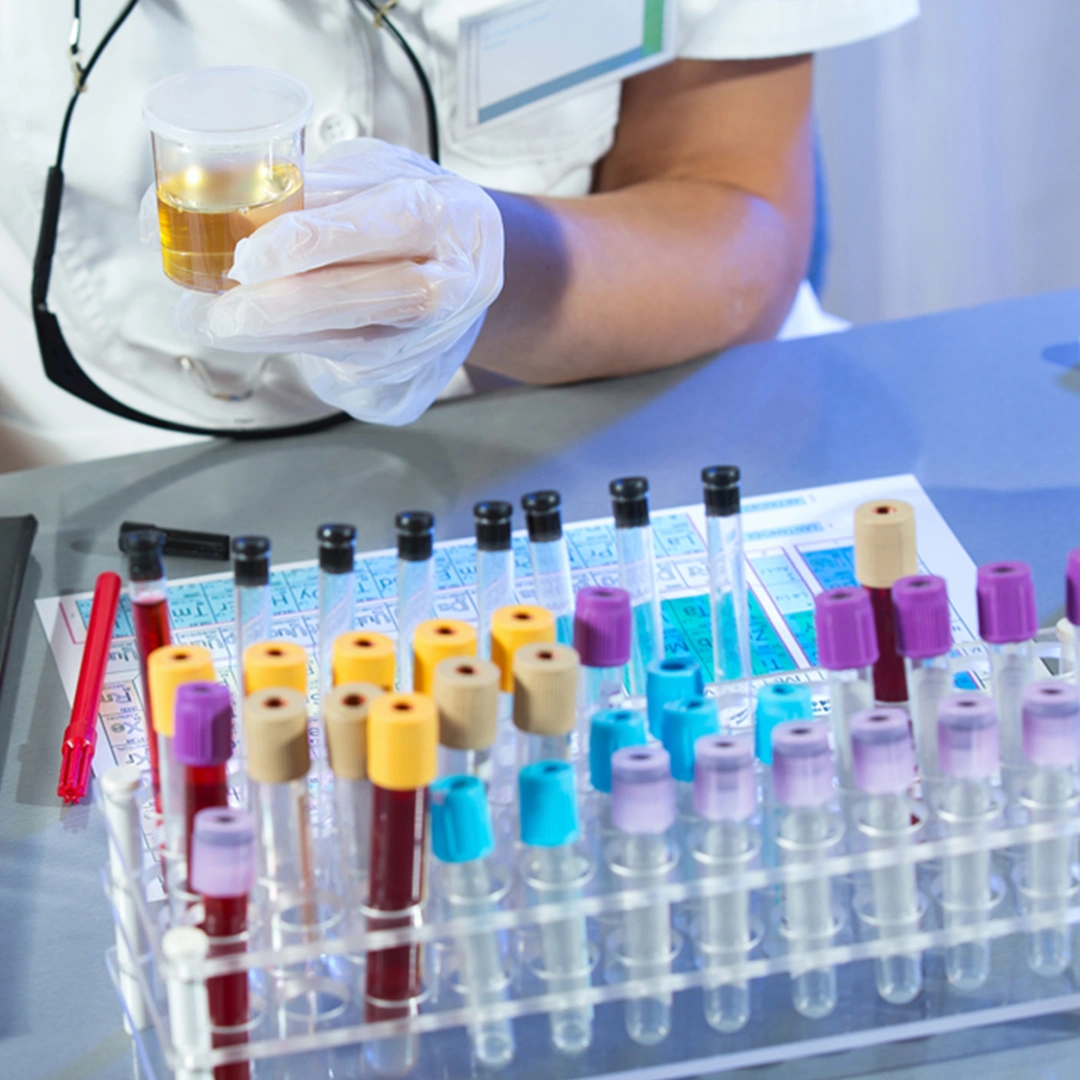
The Blood Group (ABO & Rh) test determines a person’s blood type by identifying the presence or absence of antigens on the surface of red blood cells. It classifies blood into one of the four main groups (A, B, AB, or O) and also checks the Rh factor (positive or negative). This test is essential for safe blood transfusions, pregnancy care, and organ transplantation.
Uses
This test is used to identify a patient’s blood group for blood transfusion, match organ or tissue donation, manage pregnancy complications related to Rh incompatibility, and prepare for surgeries or medical emergencies. It is also commonly performed in routine health checkups and before donating blood.
Symptoms / Situations That May Lead to the Test
The test is usually performed before blood transfusions, surgeries, organ transplantation, during pregnancy to check Rh compatibility, or in cases of unexplained anemia or hemolysis. It is also required for individuals who want to donate blood.
Abnormal Results
There are no “abnormal” results since this test only identifies blood type. However, knowing the correct ABO and Rh group is crucial. Incompatibility can lead to dangerous transfusion reactions, hemolytic disease of the newborn, or organ rejection.
Risks
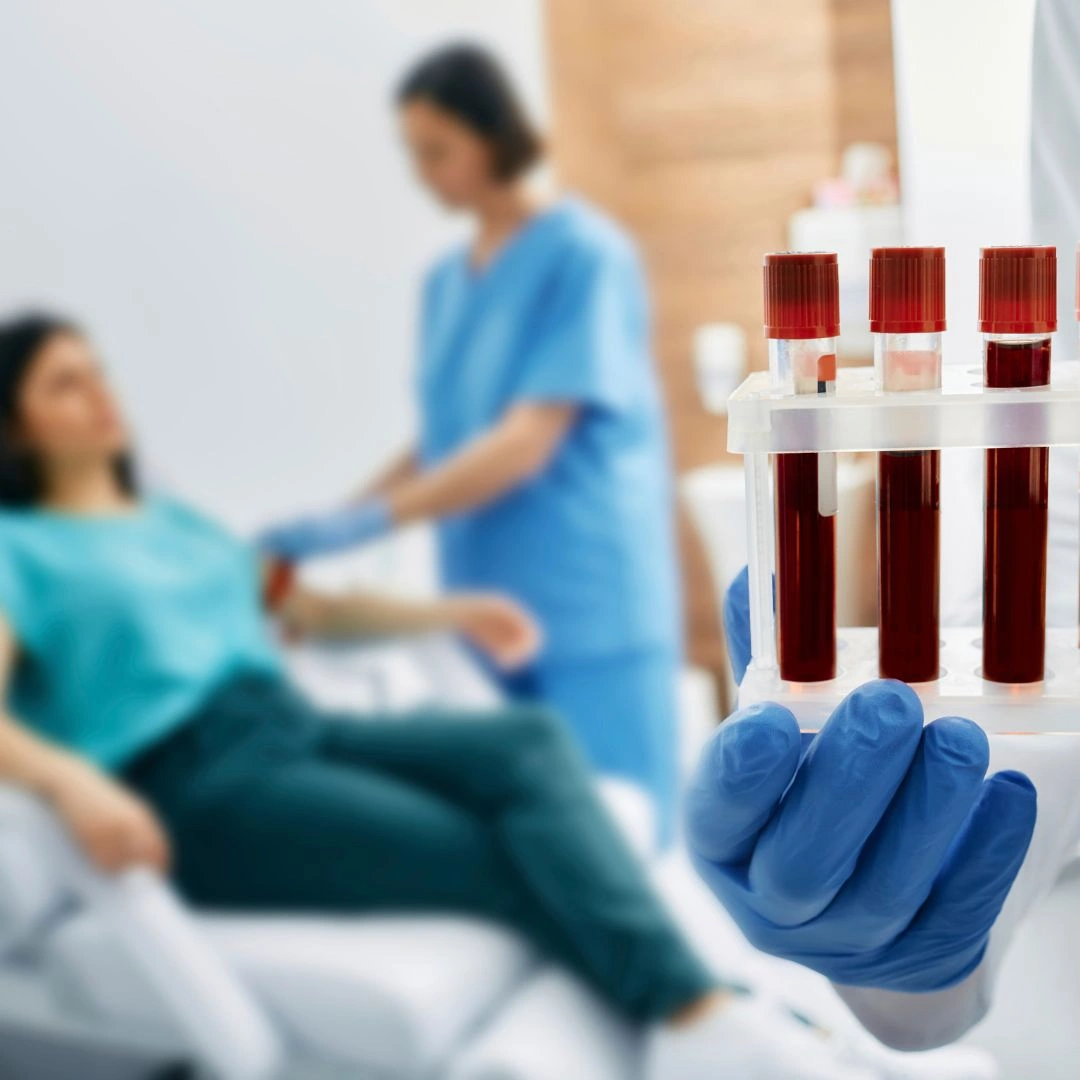
This is a routine blood test with minimal risks. Some individuals may experience mild pain, bruising, or bleeding at the puncture site, and in rare cases dizziness or infection.


Reviews
There are no reviews yet.