Cadmium, Blood
What it is
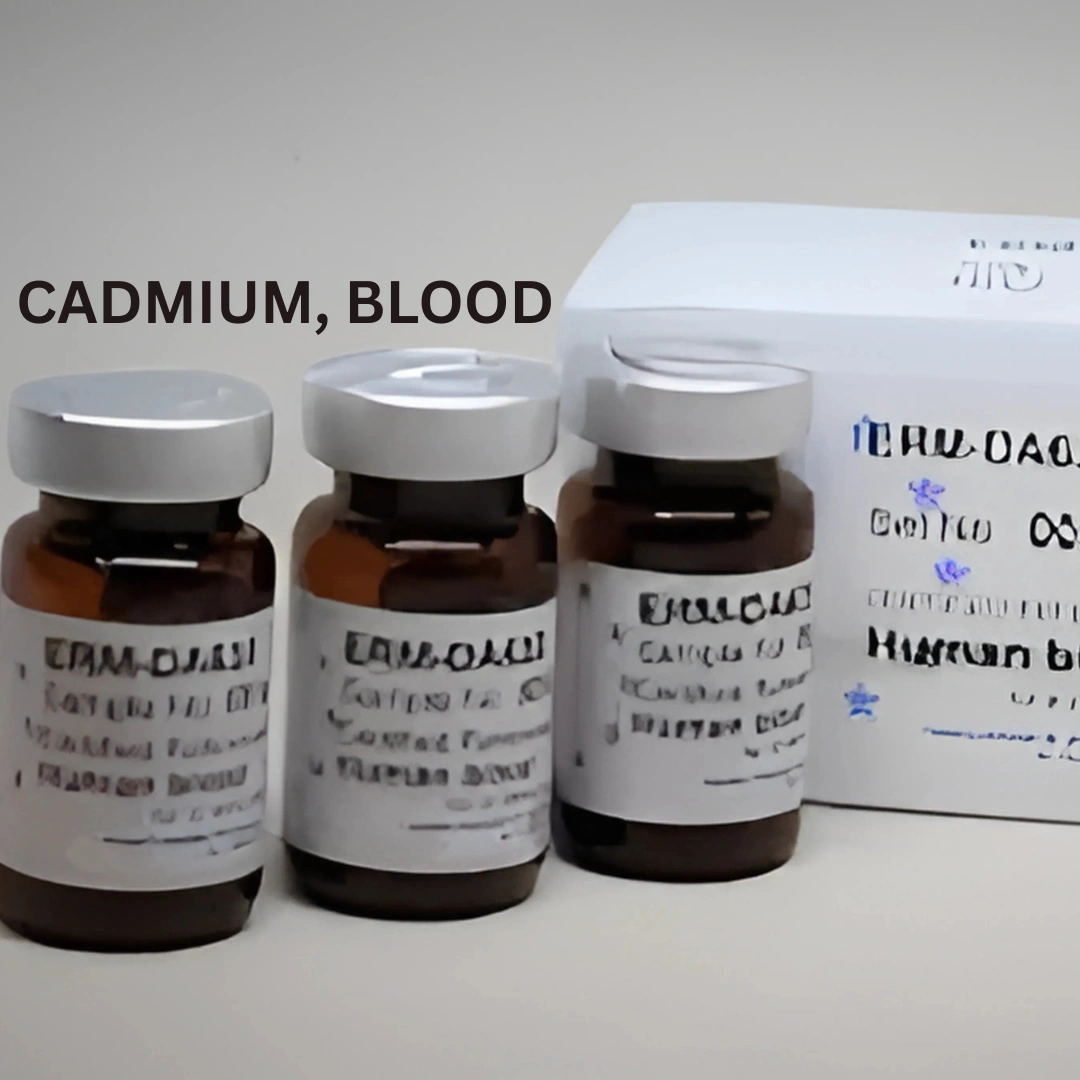
The Cadmium Blood Test measures the concentration of cadmium, a toxic heavy metal, in the bloodstream. Cadmium exposure occurs mainly through occupational hazards, cigarette smoke, contaminated food, and polluted air. This test helps evaluate recent or ongoing exposure and its potential health effects.
Uses
The test is commonly used to monitor occupational exposure in industries such as battery manufacturing, metal plating, and welding. It also helps detect cadmium poisoning, assess environmental exposure, and evaluate kidney, liver, or lung-related health issues caused by cadmium toxicity.
Symptoms That May Lead to the Test
Doctors may recommend this test if you experience persistent cough, breathing difficulties, kidney problems, abdominal pain, nausea, vomiting, bone pain, or signs of chronic fatigue. It is especially relevant for workers exposed to industrial fumes or individuals with suspected heavy metal poisoning.
Abnormal Results
High Cadmium Levels: Suggest significant recent exposure or poisoning. Chronic high levels can damage the kidneys, liver, and lungs, and increase the risk of osteoporosis and cancer.
Normal/Low Levels: Indicate no significant recent cadmium exposure. However, cadmium can accumulate in the body over time, so urine cadmium testing may be used for long-term exposure assessment.
Risks
The blood test carries minimal risks. Possible side effects include mild pain, bruising, or bleeding at the puncture site. Rarely, dizziness or infection may occur.


Reviews
There are no reviews yet.