Cardiac Risk Panel
What it is
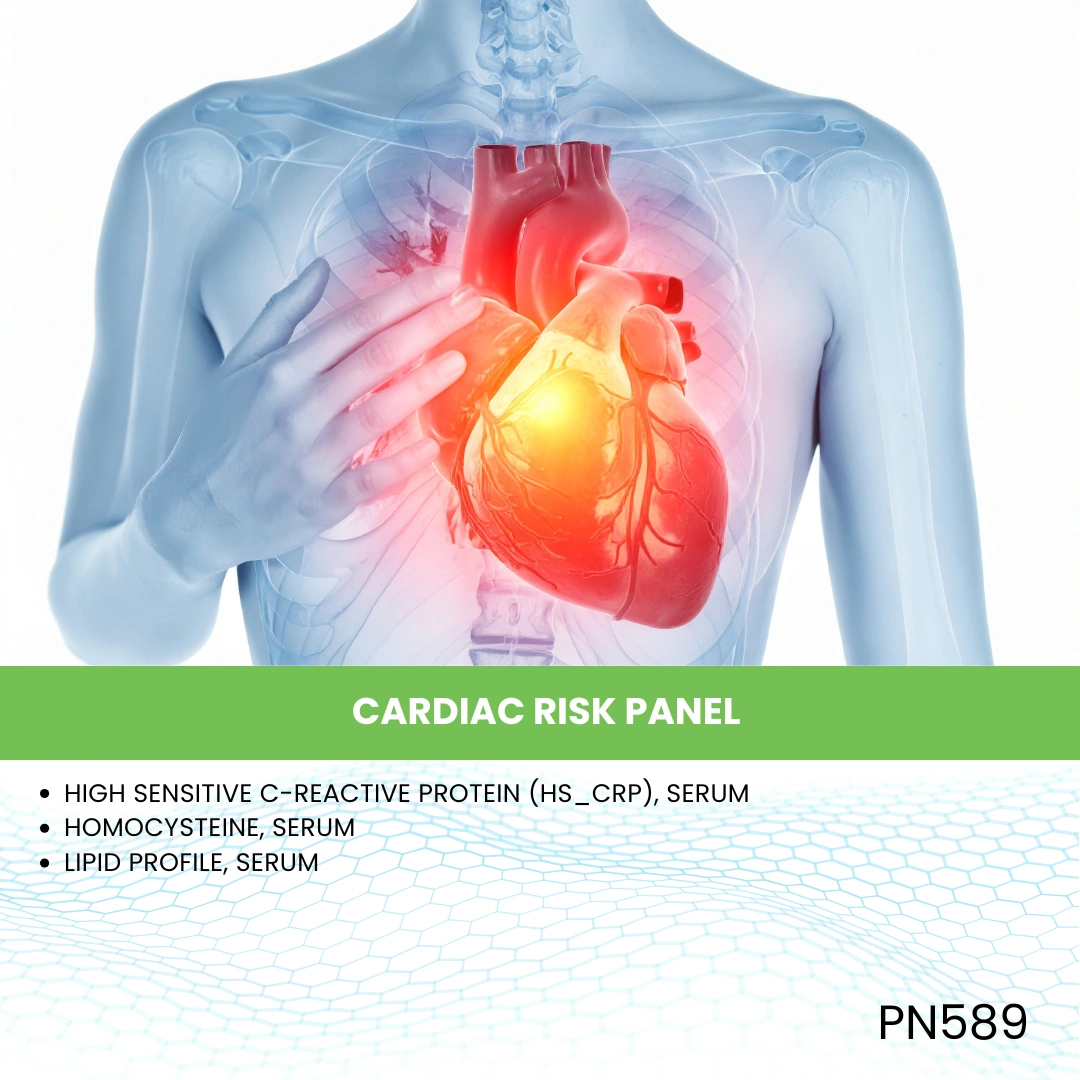
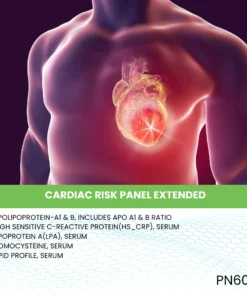
The Cardiac Risk Panel is a group of blood tests that measure key markers related to heart health and cholesterol metabolism. It helps evaluate a person’s risk of developing cardiovascular diseases such as heart attack, stroke, and atherosclerosis. This panel usually includes Total Cholesterol, HDL (good cholesterol), LDL (bad cholesterol), Triglycerides, and sometimes additional markers like VLDL or Cholesterol Ratios.
Uses
The Cardiac Risk Panel is used to assess cardiovascular risk, detect high cholesterol and triglyceride levels, monitor patients with diabetes, hypertension, or obesity, and evaluate the effectiveness of diet, lifestyle changes, or lipid-lowering medications. It is also a part of preventive health check-ups for adults.
Symptoms That May Lead to the Test
This test is often recommended for people with risk factors such as family history of heart disease, high blood pressure, diabetes, obesity, smoking, or an inactive lifestyle. It may also be advised if a person experiences chest pain, shortness of breath, or unexplained fatigue that may point toward cardiovascular issues.
Abnormal Results
High Cholesterol, LDL, or Triglycerides: Indicates higher risk of heart disease, atherosclerosis, heart attack, or stroke. Often seen in people with poor diet, sedentary lifestyle, obesity, or metabolic syndrome.
Low HDL: Increases the risk of cardiovascular disease since HDL helps remove excess cholesterol from blood vessels.
Normal Results: Suggest a lower risk of heart disease, though lifestyle and family history must also be considered.
Risks
The Cardiac Risk Panel is a simple blood test with minimal risks. Possible side effects include mild pain, bruising, or bleeding at the puncture site, and rarely dizziness or infection. For accurate results, fasting for 9–12 hours may be required before the test.


Reviews
There are no reviews yet.