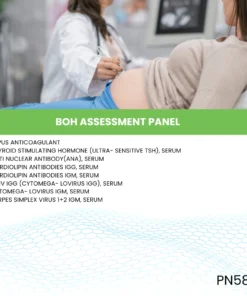
Cervical Cancer Screening
What it is
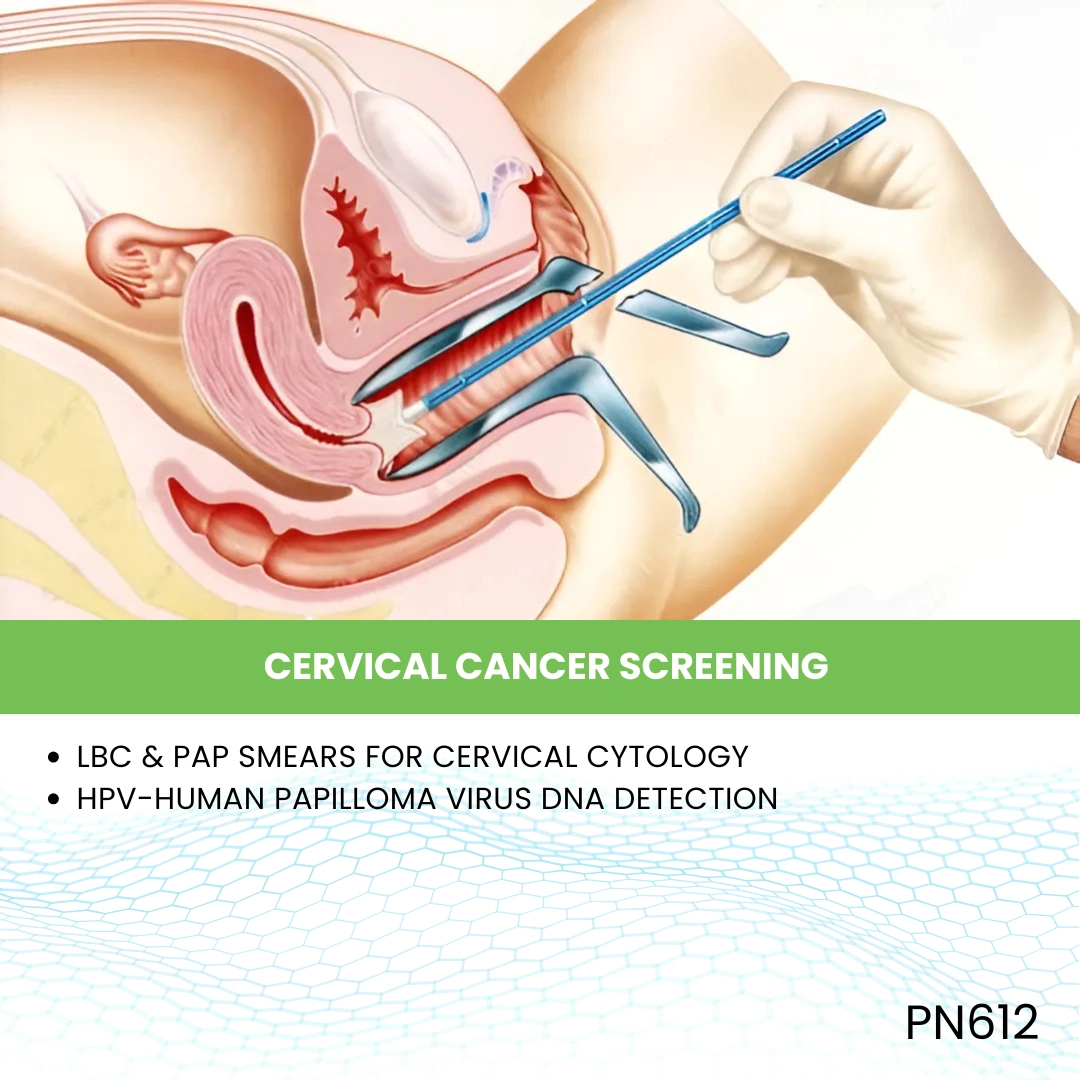
Cervical cancer screening is a preventive test designed to detect precancerous changes and early-stage cervical cancer in women. It is usually performed using a Pap smear (cytology), HPV (human papillomavirus) testing, or a combination of both. Early detection significantly reduces the risk of developing invasive cervical cancer and improves treatment outcomes.
Uses
This screening is used to identify abnormal cervical cells and high-risk HPV infections before they progress to cancer. Regular screening is recommended for women starting from age 21 through midlife, and frequency depends on age, prior results, and national guidelines. It is an essential part of women’s preventive healthcare.
Symptoms That May Lead to the Test
While screening is performed routinely even without symptoms, doctors may be especially vigilant if you experience irregular vaginal bleeding (between periods, after sex, or after menopause), pelvic pain, foul-smelling vaginal discharge, or unexplained lower back pain. These can sometimes indicate advanced disease but are not required for initiating screening.
Abnormal Results
Abnormal Pap Smear: Indicates the presence of atypical cells, which may be precancerous or due to infection or inflammation.
Positive HPV Test: Suggests infection with high-risk HPV strains (such as types 16 or 18), which increase the risk of cervical cancer.
Follow-up: May include repeat testing, colposcopy, or biopsy depending on the degree of abnormality.
Risks
The test involves collection of cervical cells using a small brush or spatula, which may cause mild discomfort, light spotting, or cramping. There are no serious risks, and the benefits of early detection outweigh any minor side effects.


Reviews
There are no reviews yet.