Chikungunya PCR, Plasma
What it is
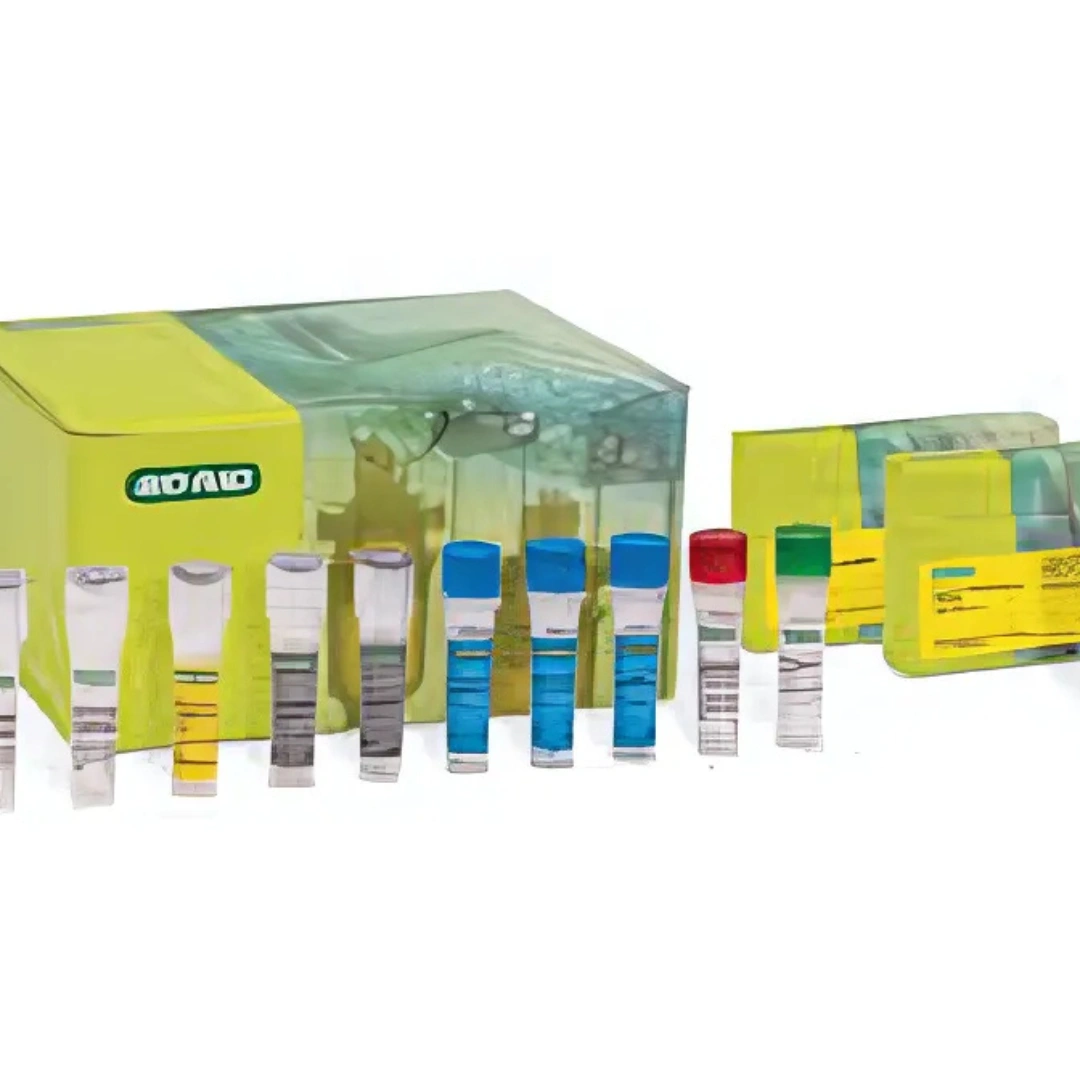
The Chikungunya PCR, Plasma test is a molecular diagnostic test that detects the genetic material (RNA) of the Chikungunya virus in the blood plasma. PCR (polymerase chain reaction) is highly sensitive and specific, making it the gold standard for early detection of the infection, even before antibodies develop.
Uses
This test is used to confirm acute Chikungunya infection during the early phase of illness (first 5–7 days after symptom onset). It helps distinguish Chikungunya from other mosquito-borne viral infections such as dengue and Zika, which may present with similar symptoms. PCR is also used in outbreak investigations and for monitoring viral circulation in endemic regions.
Symptoms That May Lead to the Test
Doctors may order this test if you present with sudden high fever, severe joint pain (arthralgia), headache, muscle aches, rash, nausea, or fatigue. It is particularly useful when testing is done in the first week of illness, when IgM antibody levels may not yet be detectable.
Abnormal Results
Positive PCR: Confirms the presence of Chikungunya virus RNA in the blood, indicating an active infection. This result is most reliable during the acute phase.
Negative PCR: Suggests no detectable viral RNA at the time of testing. However, if symptoms persist, follow-up with IgM antibody testing is recommended, since the virus may no longer be present in the blood after the first week.
Risks
The test requires a standard blood draw, with minimal risks such as mild pain, bruising, or temporary dizziness at the puncture site. The PCR process itself carries no additional risk to the patient. Pre-test preparation may include avoiding certain antiviral medications or providing accurate information on symptom onset for best interpretation.


Reviews
There are no reviews yet.