Chlamydia trachomatis Antibody IgG, Serum
What it is
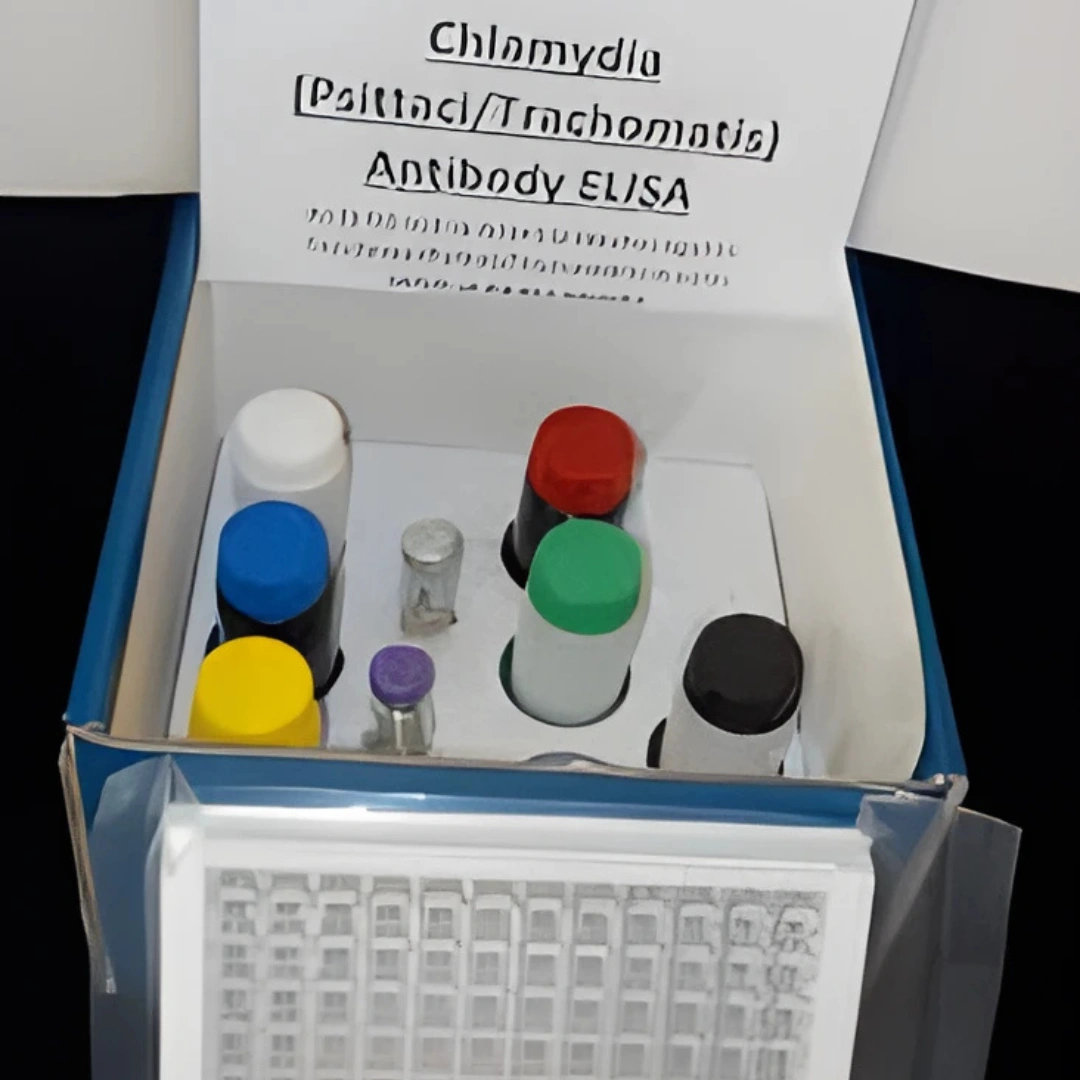
The Chlamydia trachomatis Antibody IgG, Serum test detects IgG class antibodies in the blood that develop in response to infection by Chlamydia trachomatis. IgG antibodies typically appear later than IgM and remain in the bloodstream for months to years, serving as a marker of past or chronic infection. This bacterium is a leading cause of sexually transmitted infections (STIs) worldwide.
Uses
This test is primarily used to assess past exposure to Chlamydia trachomatis. It is often ordered in cases of infertility evaluation, recurrent pelvic inflammatory disease (PID), ectopic pregnancy risk, or chronic pelvic pain in women. In men, it may be used to investigate chronic epididymitis, prostatitis, or unexplained infertility. It is also helpful in epidemiological studies to track infection prevalence.
Symptoms That May Lead to the Test
Doctors may recommend this test if you have a history of repeated genital infections, pelvic pain, blocked fallopian tubes, infertility, or complications linked to past chlamydial infection. Since Chlamydia trachomatis often causes silent or asymptomatic infections, the IgG test is valuable in uncovering past undiagnosed infections.
Abnormal Results
Positive IgG: Indicates prior or chronic Chlamydia trachomatis infection. It does not confirm current infection but suggests past exposure that may have led to complications such as scarring in reproductive organs.
Negative IgG: Suggests no detectable evidence of past infection. However, very early infections may not be detected until IgG antibodies have developed, so correlation with IgM, IgA, or NAAT (nucleic acid amplification test) may be required.
Risks
The test requires a routine blood draw, with minimal risks including mild pain, bruising, or dizziness at the puncture site. These effects are temporary and generally harmless compared to the clinical benefits of detecting past exposure.


Reviews
There are no reviews yet.