Chlamydia trachomatis DNA Detection
What it is
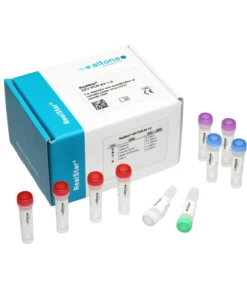
The Chlamydia trachomatis DNA Detection test identifies the genetic material of Chlamydia trachomatis using highly sensitive molecular methods such as nucleic acid amplification tests (NAATs), including PCR. Unlike antibody-based tests that rely on immune response, this method directly detects the presence of bacterial DNA, making it the gold standard for diagnosing active infection.
Uses
This test is primarily used to diagnose current Chlamydia trachomatis infection, the most common bacterial sexually transmitted infection (STI) worldwide. It can detect asymptomatic cases, which are common in both men and women. It is also recommended for routine STI screening, infertility evaluations, and prenatal care to prevent maternal-to-child transmission during childbirth.
Symptoms That May Lead to the Test
Doctors may recommend this test if you experience symptoms such as painful urination, abnormal vaginal or penile discharge, pelvic pain, irregular bleeding, testicular pain, or discomfort during sexual intercourse. In many cases, however, patients may not show symptoms, which is why screening is critical in sexually active individuals.
Abnormal Results
Positive DNA Detection: Confirms an active Chlamydia trachomatis infection. Prompt antibiotic treatment is necessary to prevent complications such as pelvic inflammatory disease (PID), infertility, or ectopic pregnancy in women, and epididymitis in men.
Negative DNA Detection: Suggests no current infection. However, repeat testing may be recommended in high-risk patients or if exposure was recent, as the bacterial load may not yet be detectable.
Risks
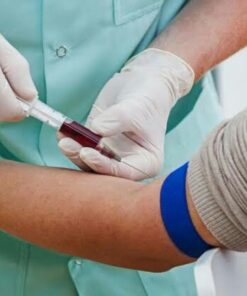
The test may be performed on urine samples, cervical/vaginal swabs (for women), or urethral swabs (for men). Risks are minimal and limited to mild discomfort during swab collection. Urine-based testing carries no physical risk. The molecular testing itself poses no danger to the patient.


Reviews
There are no reviews yet.