Chloride, CSF
What it is
The Chloride, CSF test measures the concentration of chloride ions in cerebrospinal fluid (CSF). CSF surrounds the brain and spinal cord, providing protection and nutrient exchange. Chloride levels in CSF normally reflect those in the blood, but abnormal values may indicate neurological infections, inflammation, or other central nervous system disorders.
Uses
This test is used to help evaluate conditions such as meningitis, tuberculous meningitis, neurosyphilis, and other central nervous system infections. It is also used in combination with glucose and protein testing in CSF to differentiate between bacterial, viral, and tuberculous causes of meningitis. CSF chloride values can provide important clues when diagnosing complex neurological conditions.
Symptoms That May Lead to the Test
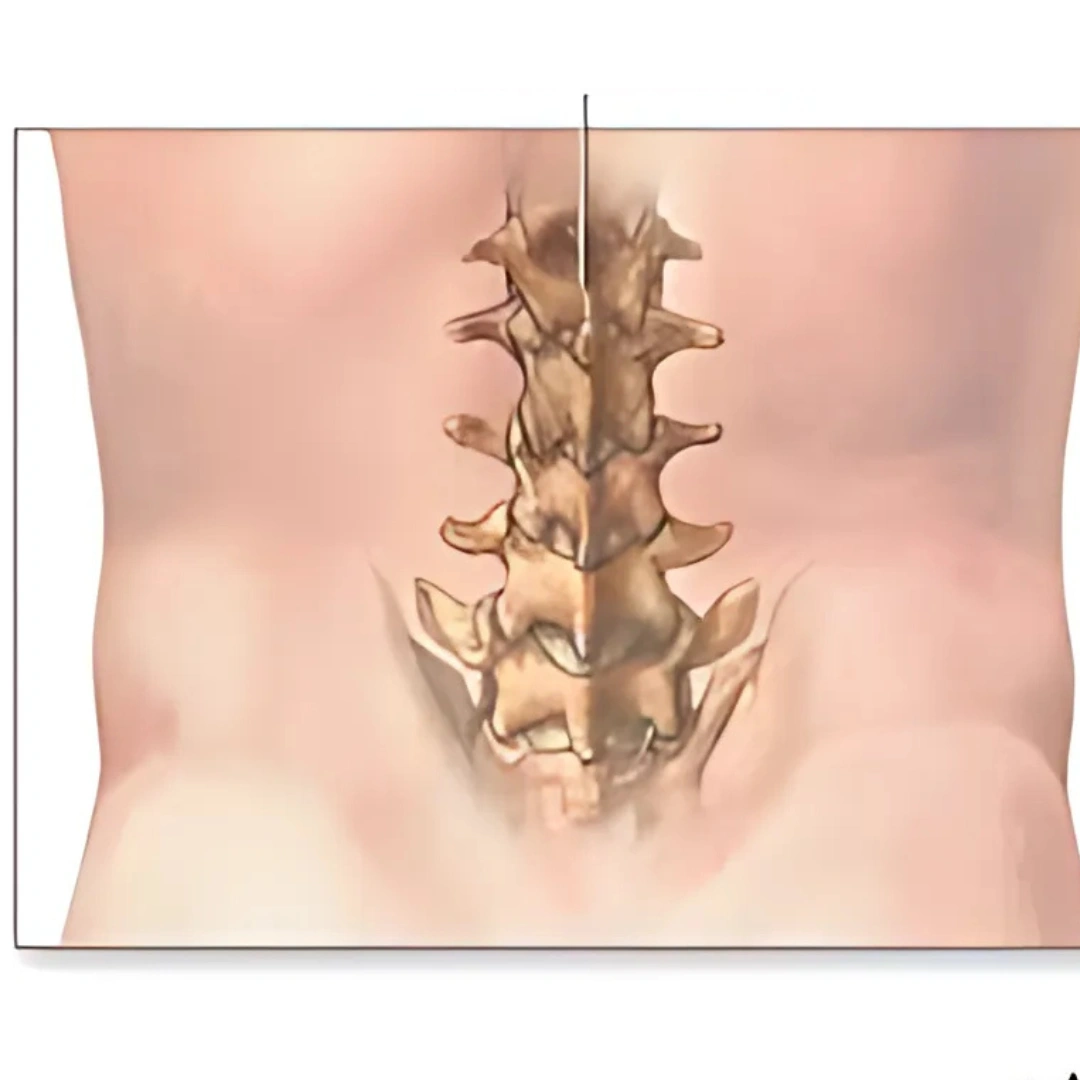
Doctors may order this test if you present with severe headache, fever, neck stiffness, confusion, seizures, sensitivity to light, or other neurological symptoms suggestive of meningitis or central nervous system disease. It is usually performed as part of a lumbar puncture (spinal tap) alongside other CSF studies.
Abnormal Results
Low CSF Chloride: Commonly seen in tuberculous meningitis and sometimes in bacterial meningitis or other chronic CNS infections. It may also be reduced in certain inflammatory and neoplastic conditions affecting the central nervous system.
Normal or High CSF Chloride: Usually considered normal, though mild increases may reflect dehydration or changes in blood chloride levels rather than a specific neurological disorder.
Risks
This test requires a lumbar puncture to obtain CSF, which carries some risks, including headache, back pain, dizziness, or, rarely, infection or bleeding at the puncture site. Despite these risks, the test provides critical diagnostic information for serious neurological conditions.


Reviews
There are no reviews yet.