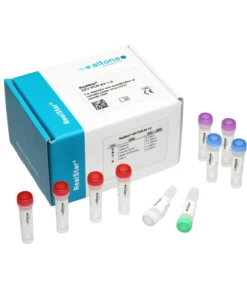
CMV IgG (Cytomegalovirus IgG), Serum
What it is
The CMV IgG (Cytomegalovirus IgG) Serum test detects IgG antibodies in the blood against cytomegalovirus (CMV), a common member of the herpesvirus family. IgG antibodies develop a few weeks after infection and typically remain in the body for life, serving as a marker of past exposure or immunity.
Uses
This test is used to determine whether a person has been exposed to CMV in the past. It is especially important for pregnant women, organ transplant candidates, and immunocompromised individuals, since prior exposure can influence management decisions. The test may also be used in combination with CMV IgM and IgG avidity testing to differentiate between recent and past infections.
Symptoms That May Lead to the Test
Doctors may order this test if you have symptoms such as prolonged fever, fatigue, swollen lymph nodes, or hepatitis-like illness. In pregnancy, it may be recommended after abnormal ultrasound findings such as growth restriction, microcephaly, or intrauterine calcifications that suggest congenital CMV infection.
Abnormal Results
Positive CMV IgG: Indicates past exposure or infection. While this suggests immunity, it does not rule out the possibility of reactivation or reinfection. In pregnancy, further testing (IgM and IgG avidity) may be needed to determine if the infection is recent.
Negative CMV IgG: Suggests no prior exposure. Individuals with negative results are susceptible to primary infection, which can be significant during pregnancy or before organ transplantation.
Risks
The test involves a routine blood draw, with minimal risks such as mild pain, bruising, or dizziness at the puncture site. These effects are temporary and usually harmless.


Reviews
There are no reviews yet.