Coombs Direct (DCT), Whole Blood
What it is
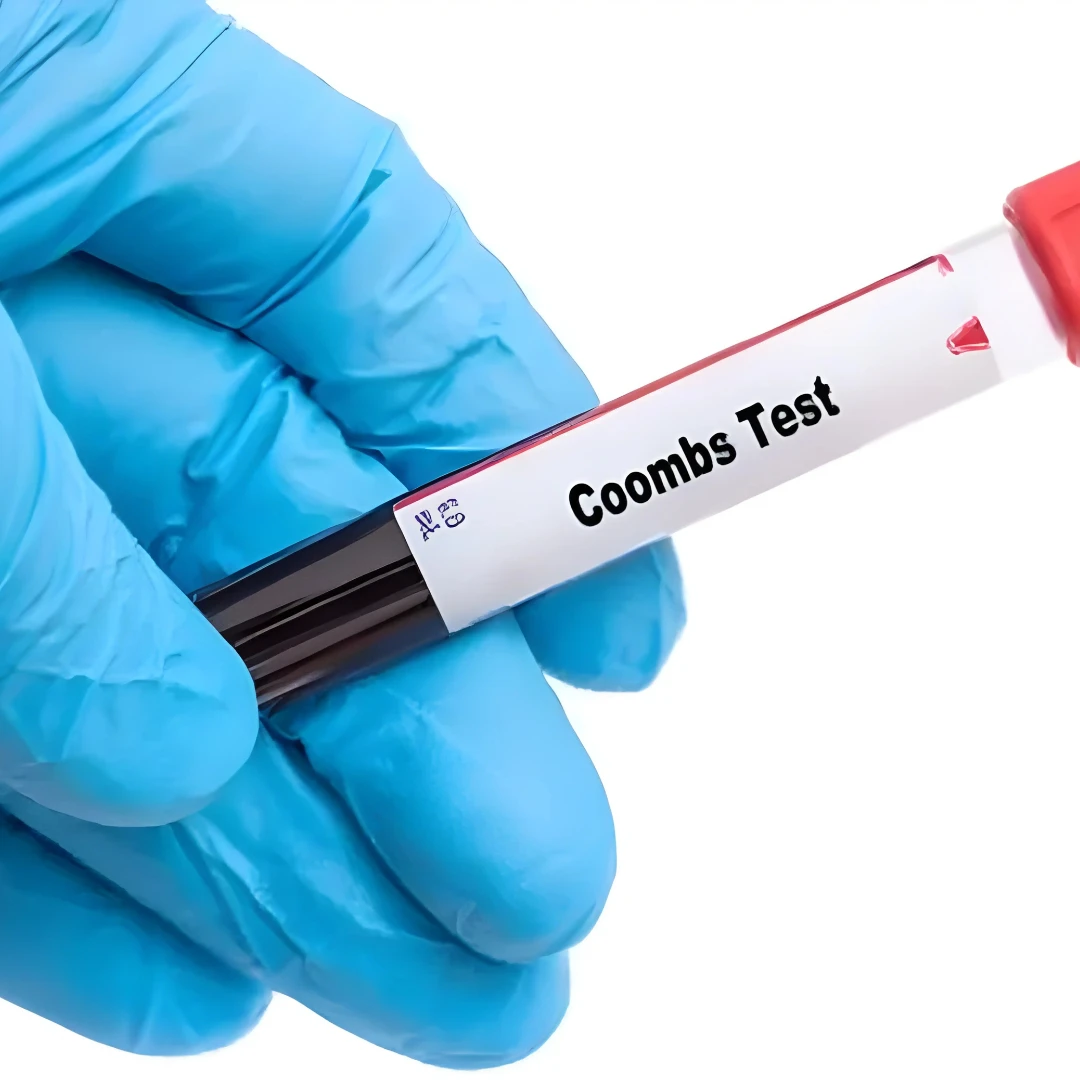
The Coombs Direct Test (Direct Antiglobulin Test, or DAT) is a specialized blood test that detects antibodies or complement proteins attached directly to the surface of red blood cells. These antibodies may cause the immune system to attack and destroy red blood cells, leading to conditions such as hemolytic anemia. The test is performed on a whole blood sample and is crucial in identifying autoimmune or alloimmune reactions against red blood cells.
Uses
This test is primarily used to diagnose autoimmune hemolytic anemia (AIHA), hemolytic disease of the newborn (HDN), and transfusion reactions. It helps determine whether a patient’s red blood cells are being destroyed due to antibody-mediated immune processes. The DCT is also important in monitoring patients after blood transfusions or in cases of suspected drug-induced hemolysis.
Symptoms That May Lead to the Test
Doctors may order this test if you show symptoms such as unexplained fatigue, pale or jaundiced skin, shortness of breath, rapid heartbeat, dark urine, or an enlarged spleen. In newborns, it is often ordered when there is severe jaundice or anemia shortly after birth.
Abnormal Results
Positive DCT: Suggests antibodies or complement proteins are bound to red blood cells. This may be due to autoimmune hemolytic anemia, hemolytic disease of the newborn (Rh or ABO incompatibility), transfusion reactions, or certain medications that trigger immune responses.
Negative DCT: Indicates no antibodies or complement are attached to red blood cells, reducing the likelihood of immune-mediated hemolysis as the cause of symptoms.
Risks
The test requires a standard venous blood draw. Risks are minimal and may include mild discomfort, slight bruising, or temporary dizziness at the puncture site.


Reviews
There are no reviews yet.